
Canadian Midcentury by Wren Longine.
The years surrounding the 1960s Canadian centenary marked a fresh investment in national arts institutions. Governmental stocktaking concerning the anniversary, revenues from a decade of economic upswing, undershown modernist works: all contributed to a desire among policy-makers to celebrate as well as expand the sparse string of exhibition venues.
This appeared to have been considered from both audience and artist perspectives. There had been success in grant-funded art projects starting in the late fifties from the Canada Council. Jump-starting these was Expo ‘67. A broadening. Organizers discussed current-day Canadian art, much of it made by women; also a neglected lineage of First Nation makers.
Midsixties planners assessed the extant network. It was heavily oriented to the east. A large west possessing few gallery or museum venues had art mostly limited to college galleries. New public venues were funded. Reassessment of modern art directions was discussed. The Canada art scene, spared entrenched ideological schools to shake loose save a general conservatism toward Group 7 landscapes, was fairly well situated to widen the genres.
Particularly in contemporary sculpture, installation art, abstract painting. The scene was comparatively free of inordinately influential artists or outsized critics. Funding could diversify with relative freedom. By the time of full sovereignty in 1982 the places for showing art had expanded, the guest lecturers in the expanding college system had been freshened, regional exhibitions had enlarged and afforded publicity.
In 2026, a réminiscence.
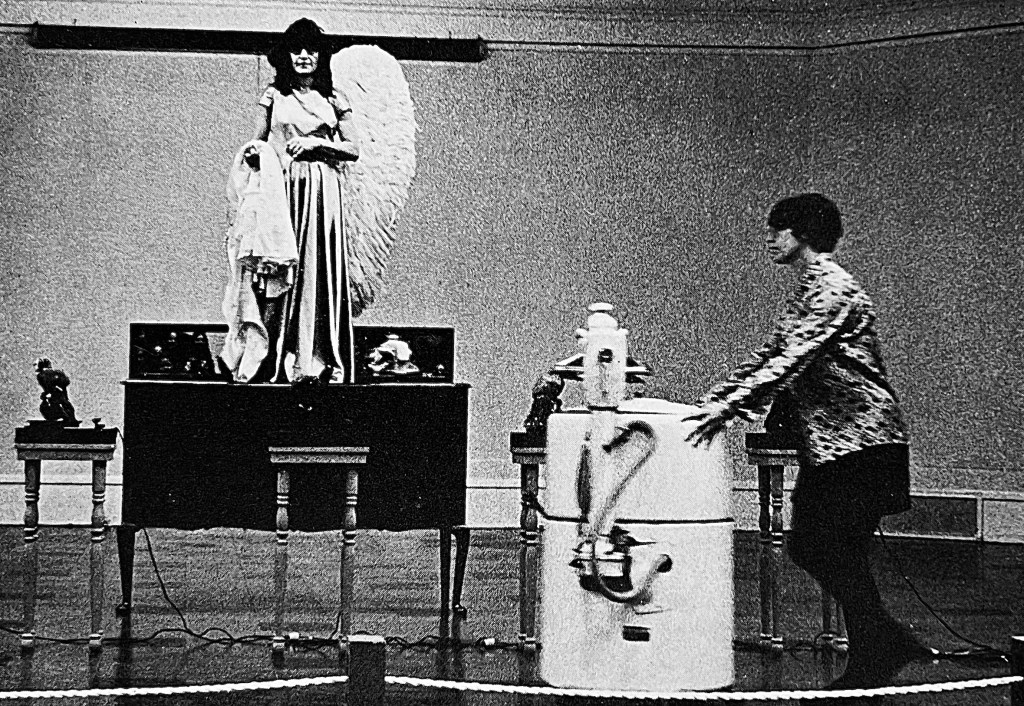
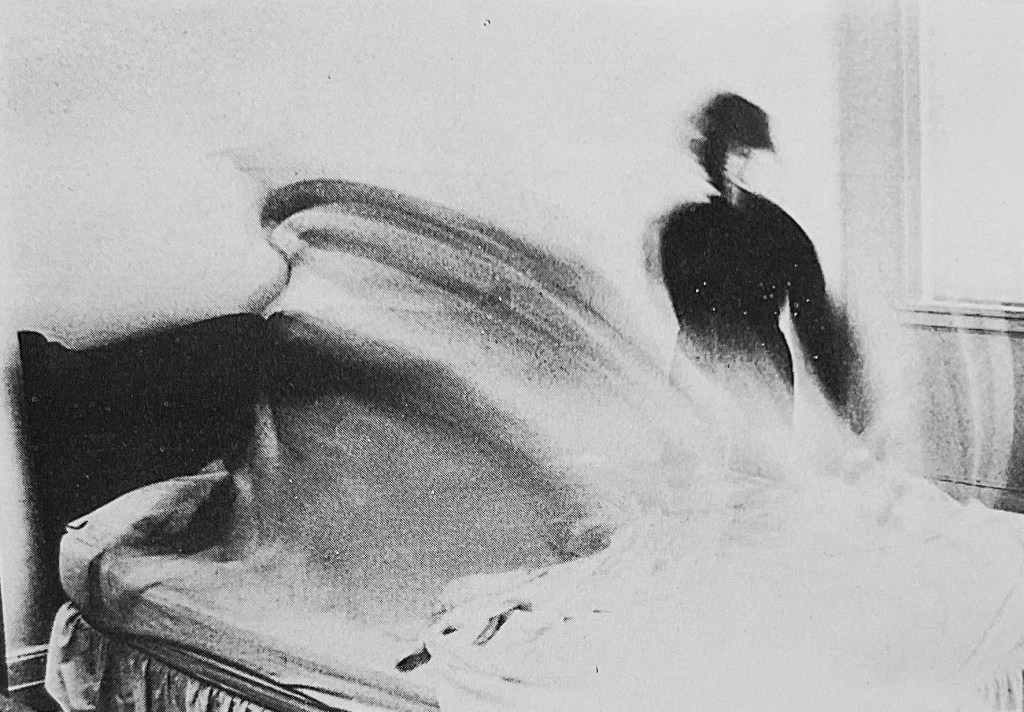
The arts of midcentury include a tableau from Gathie Falk. This was mounted three years into the long art career she concluded several weeks before publication of this quarter’s issue. With environments, performances, installations, she exploited the quotidian, guided our eyes to form, function, and fancy. Other artists also used serious wit to underline domestic foibles. The photographs of Sorel Cohen blurred yet revealed erotic domesticity; absurdity was enacted by choreographer Françoise Sullivan in 1980.
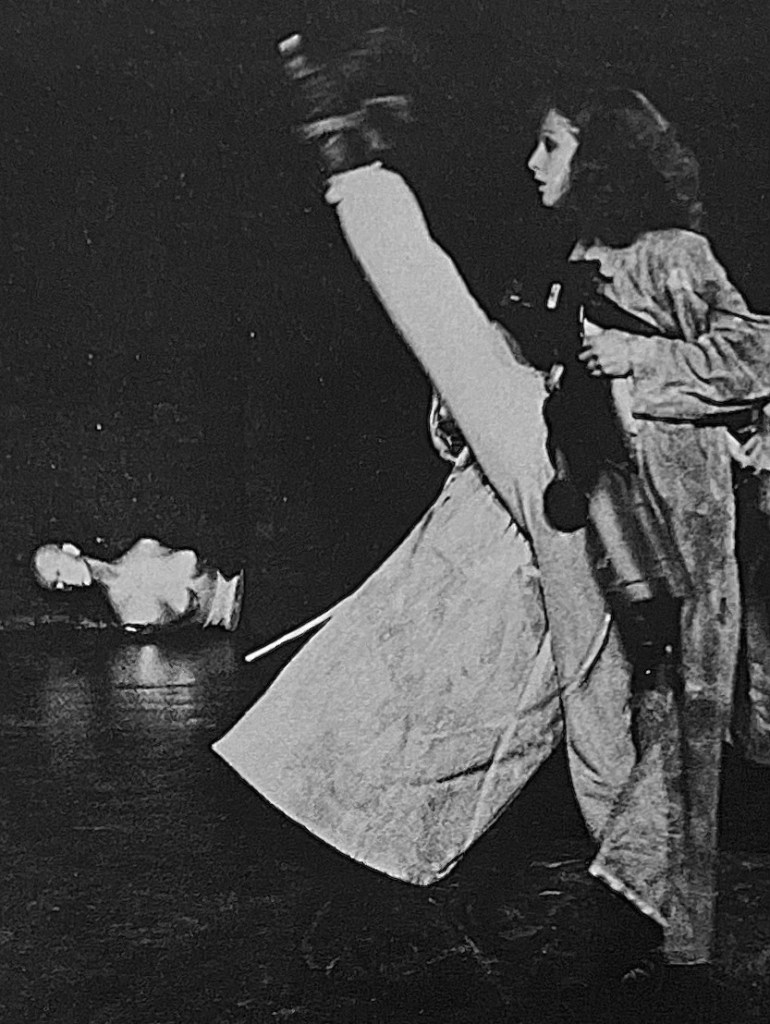
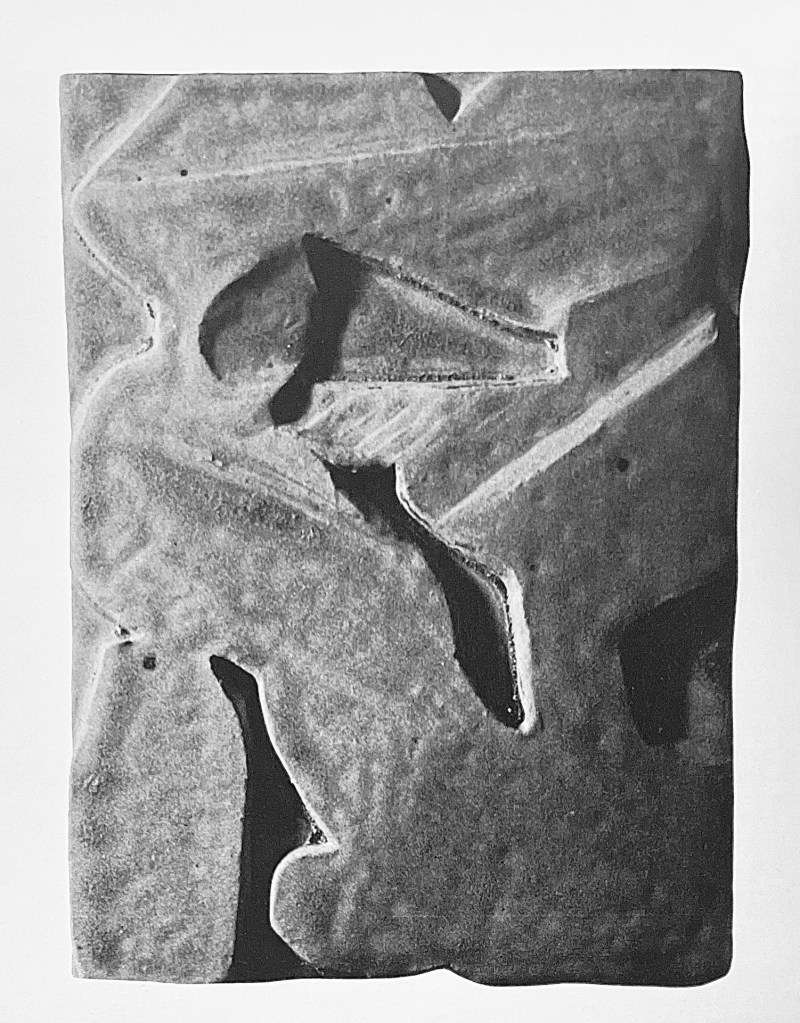
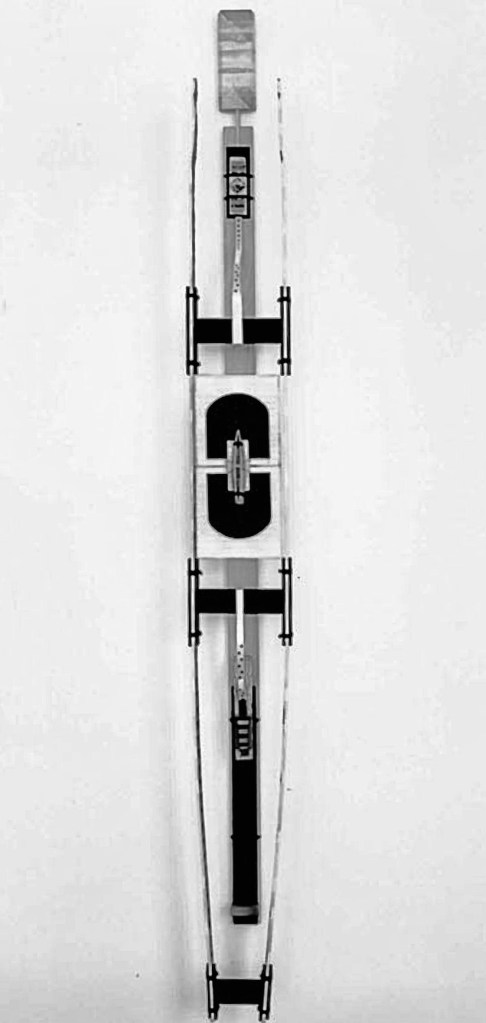
Formalism. Angularity within organic patterns emerge from the ceramic forms of Doucet-Saito; biomorphic organicity was explored sculpturally by Laura Alpert. Mortal complexities were the ground of Christine Coleman’s 1980 choreography; mysticism informed Tim Whiten’s sculptures, he spoke of wrapped objects recalling shaman satchels.
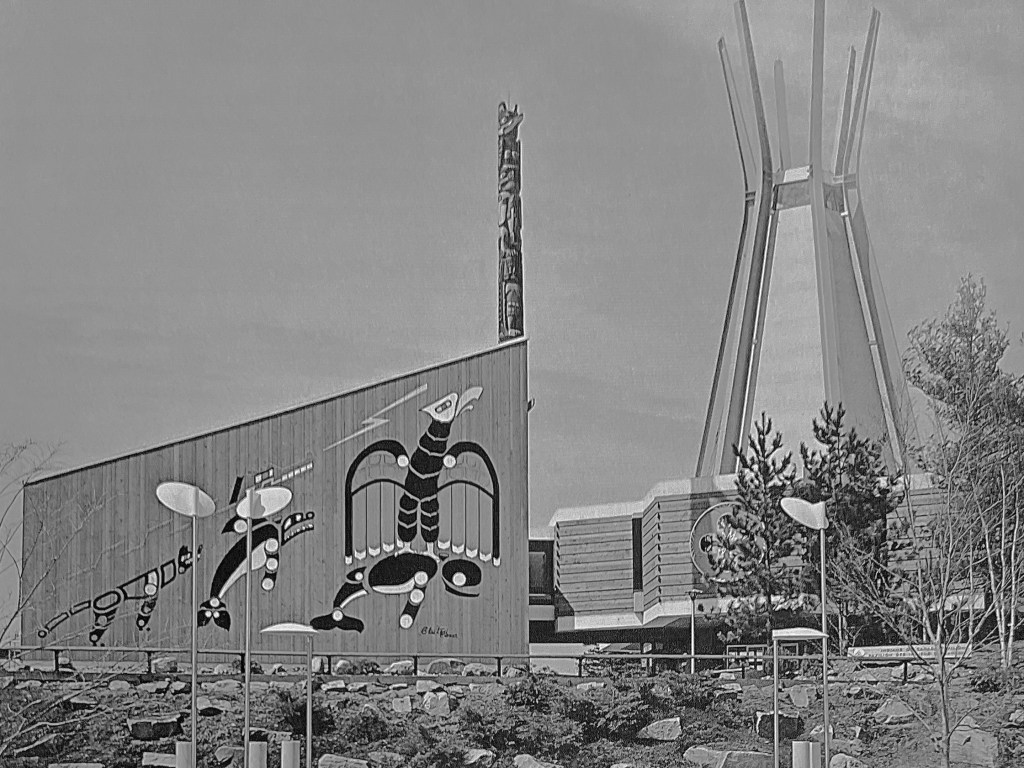
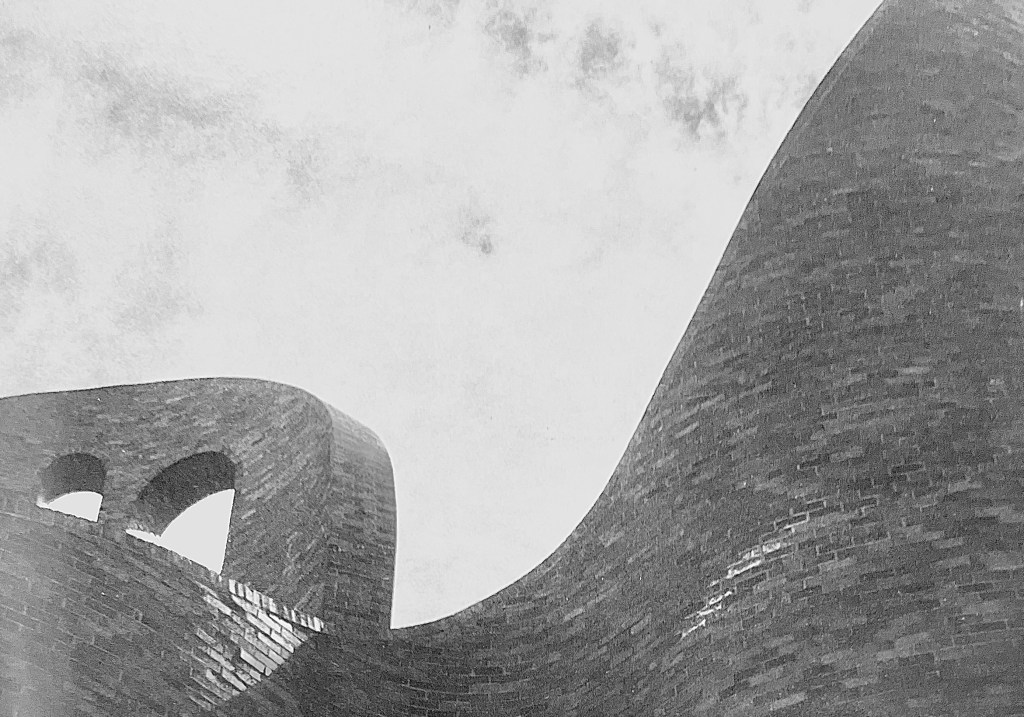
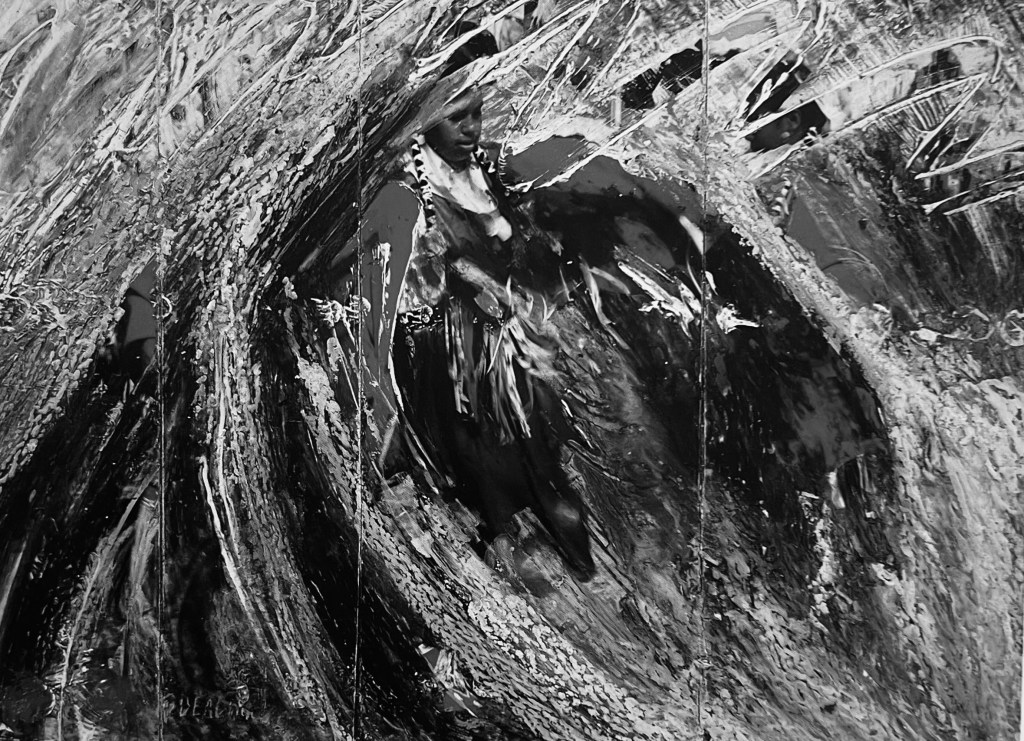
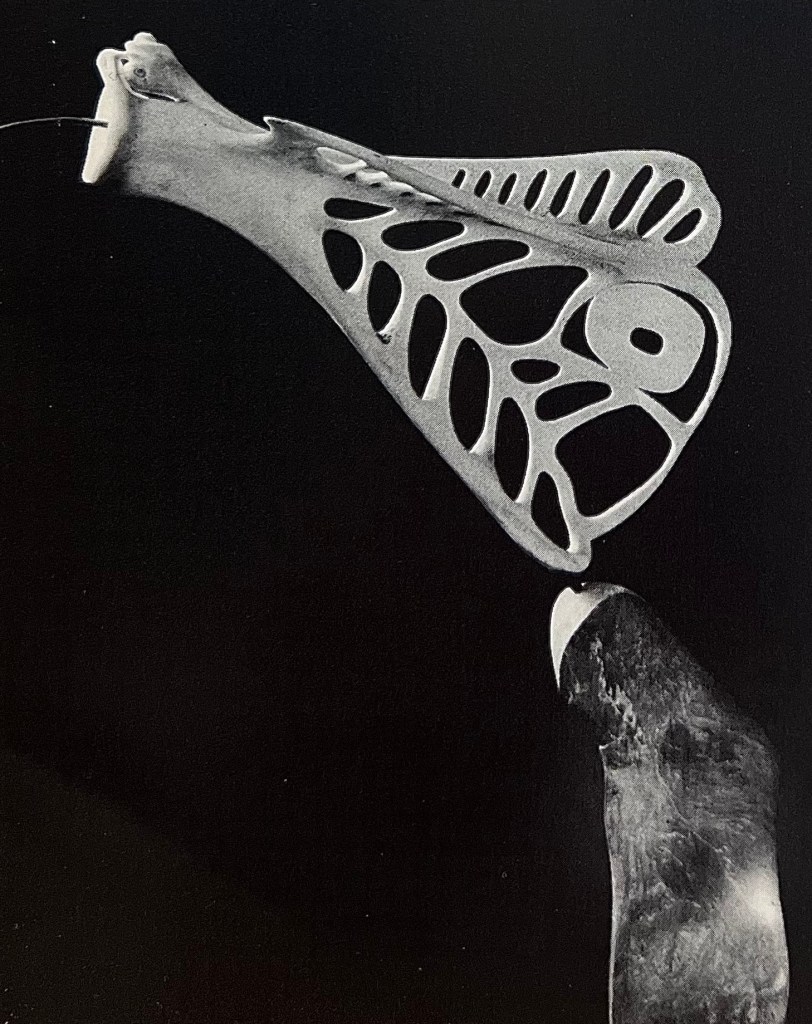
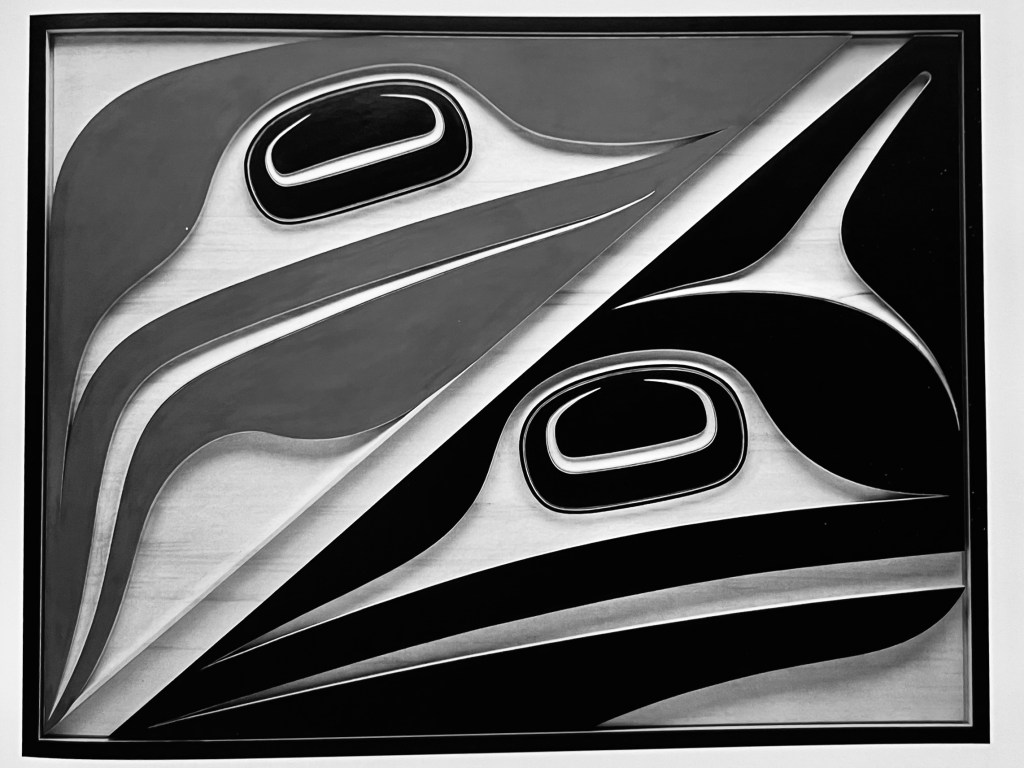
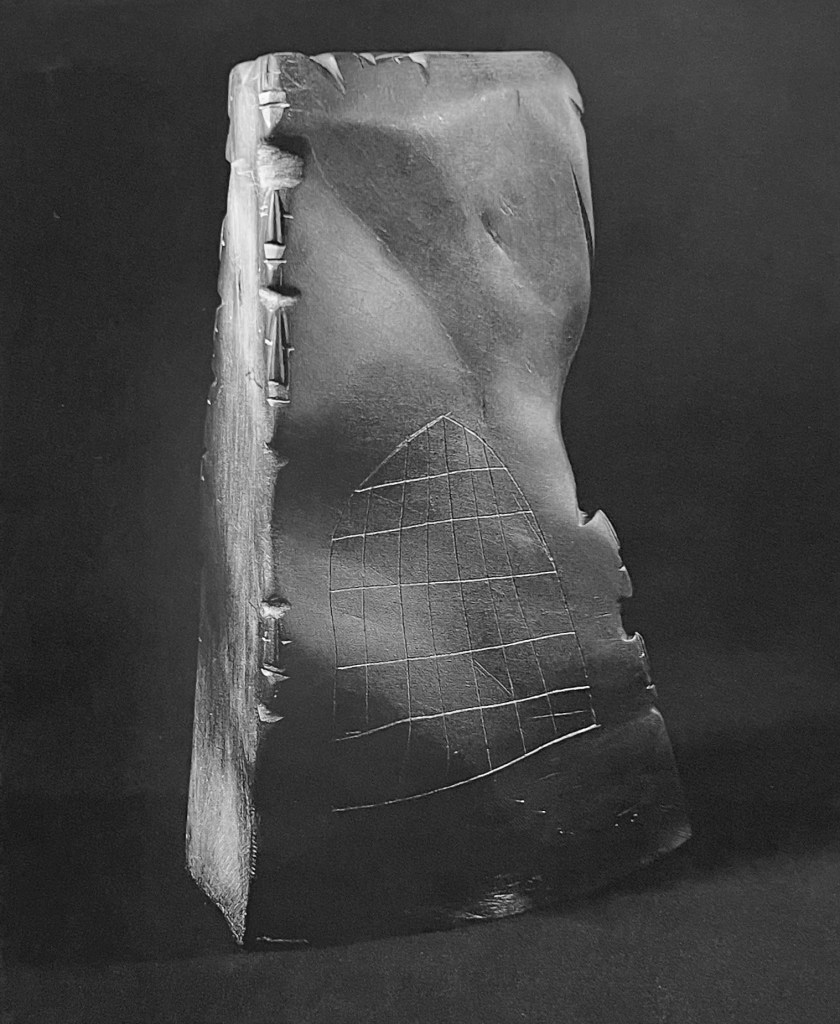
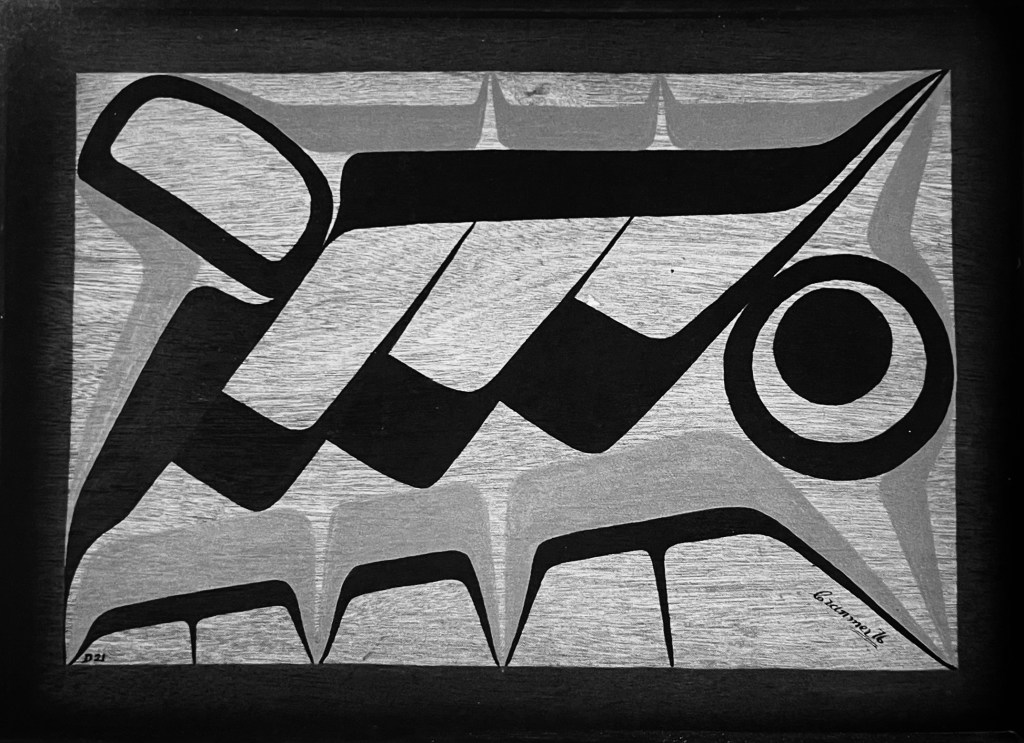
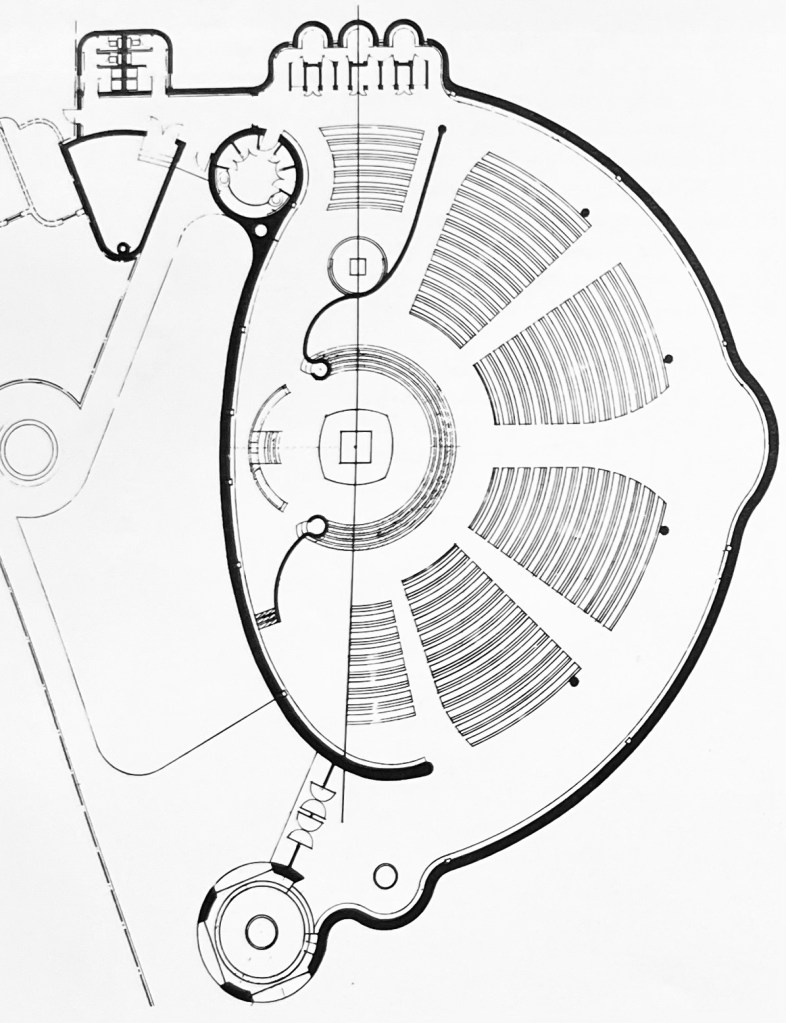
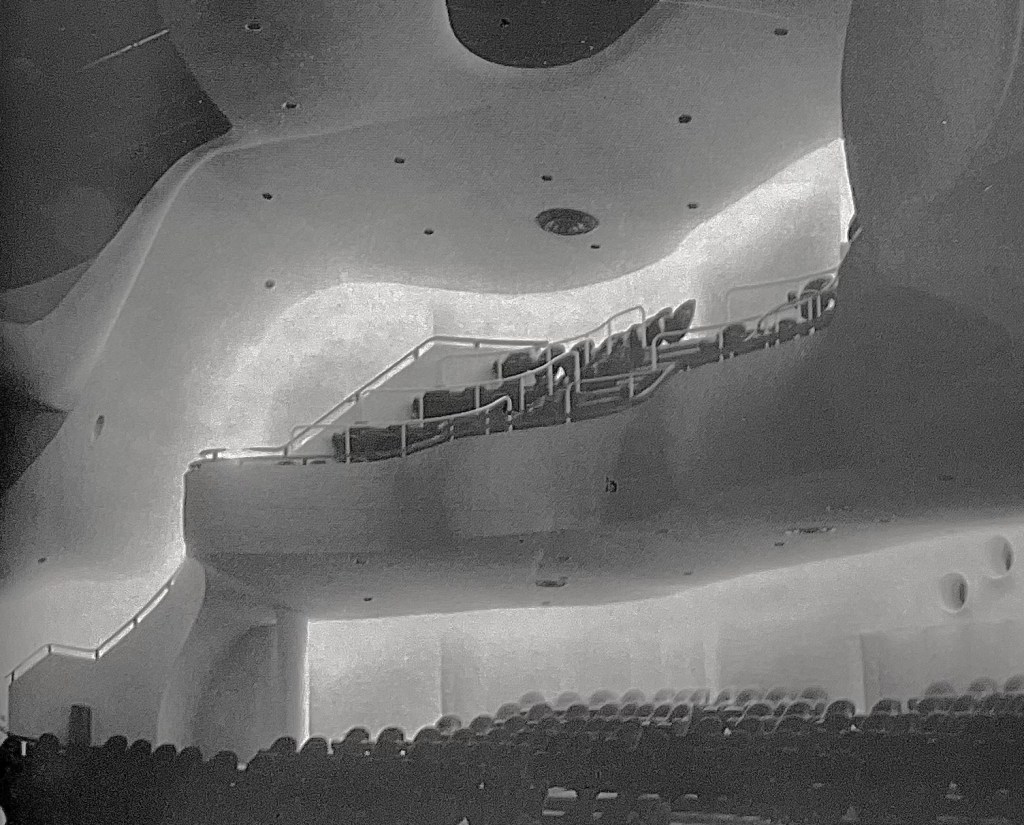
Architecture by Douglas Cardinal attempted to infuse indigenous perspectives in the institutional edifices pictured. Patricia Deadman sometimes painted her photographs to achieve the vibrational effect she sought. Combined mediums like bone and stone are seen in the sculptures of Abraham Anghik and Ron Noganosh. Robert Davidson created abstractions of graphic motifs in wood relief. Lucy Tasseor abstracted on stone. Doug Cranmer painted.
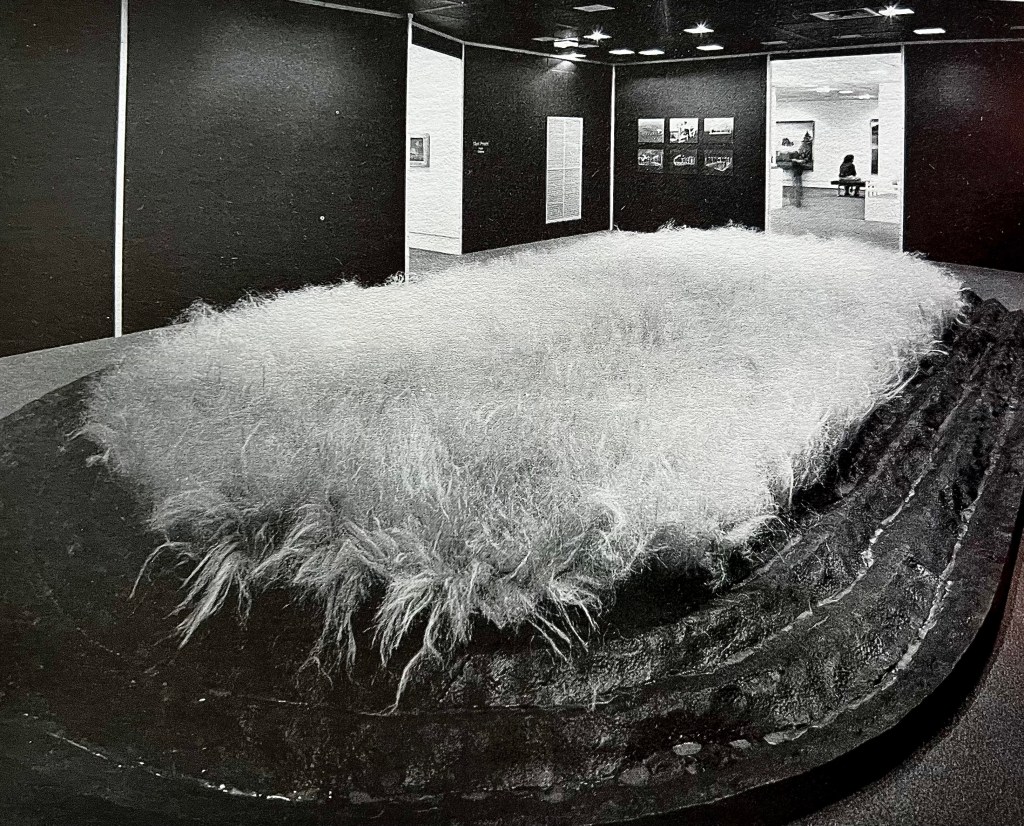
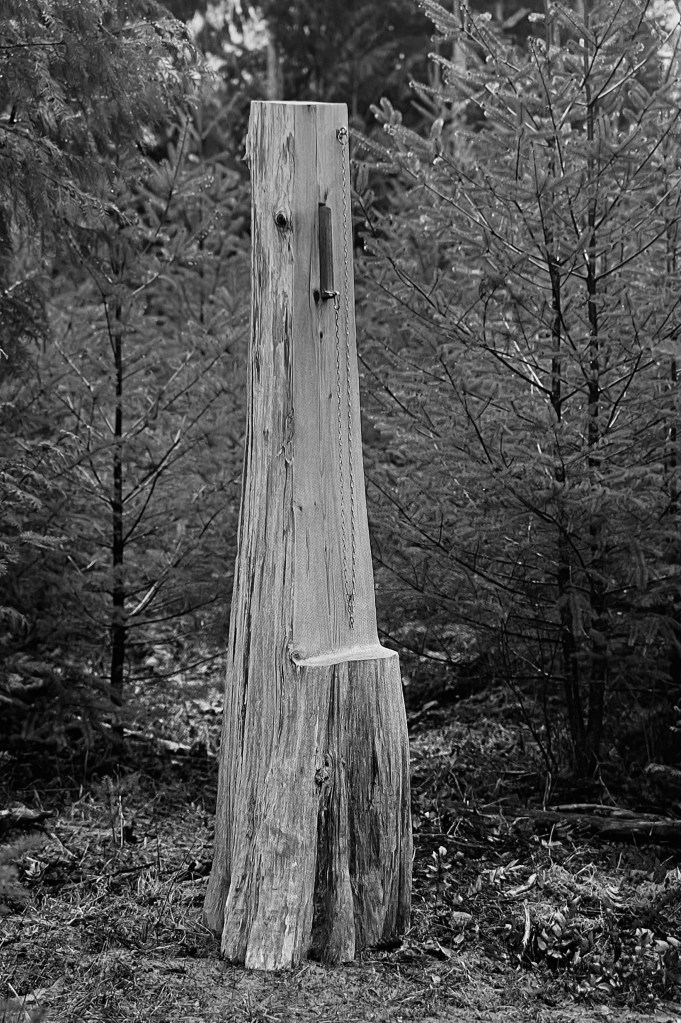
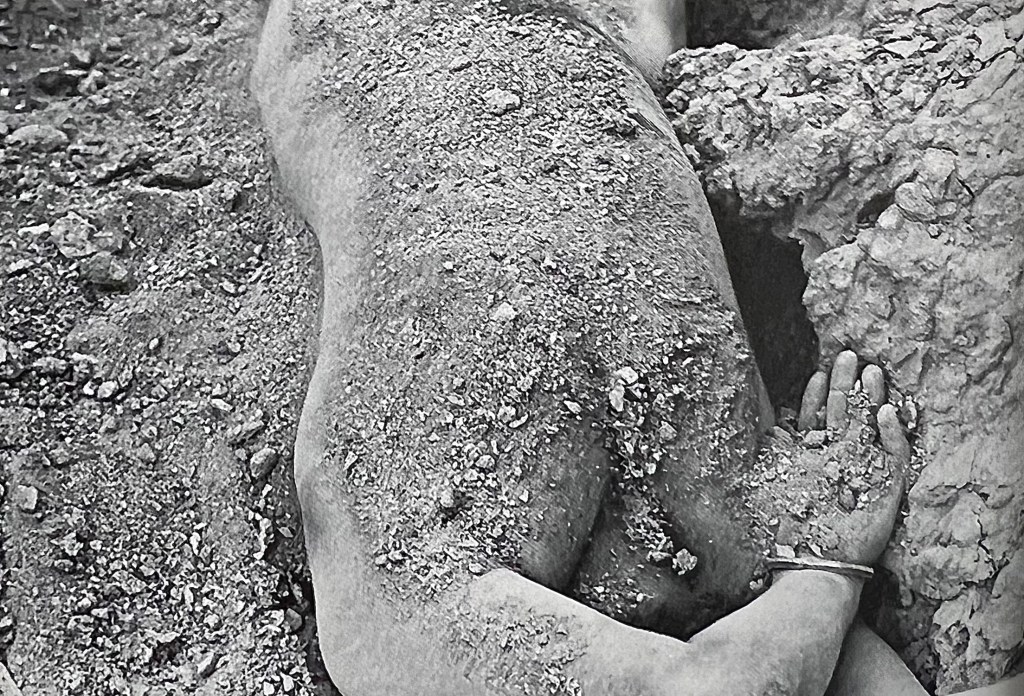
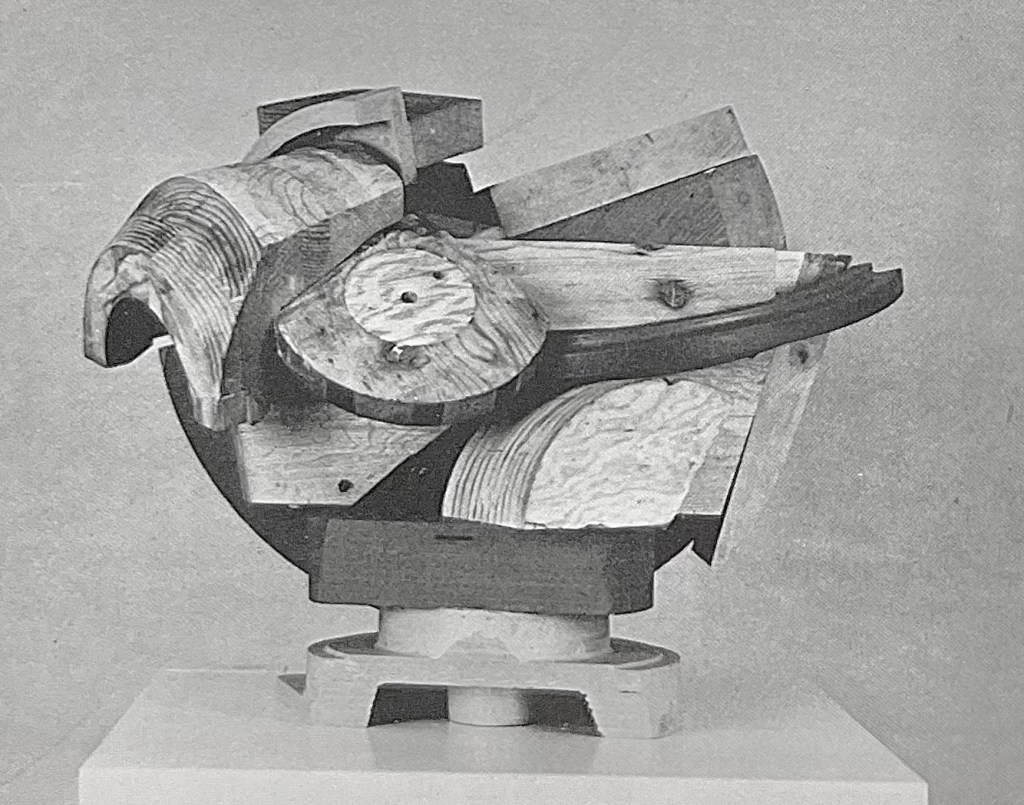
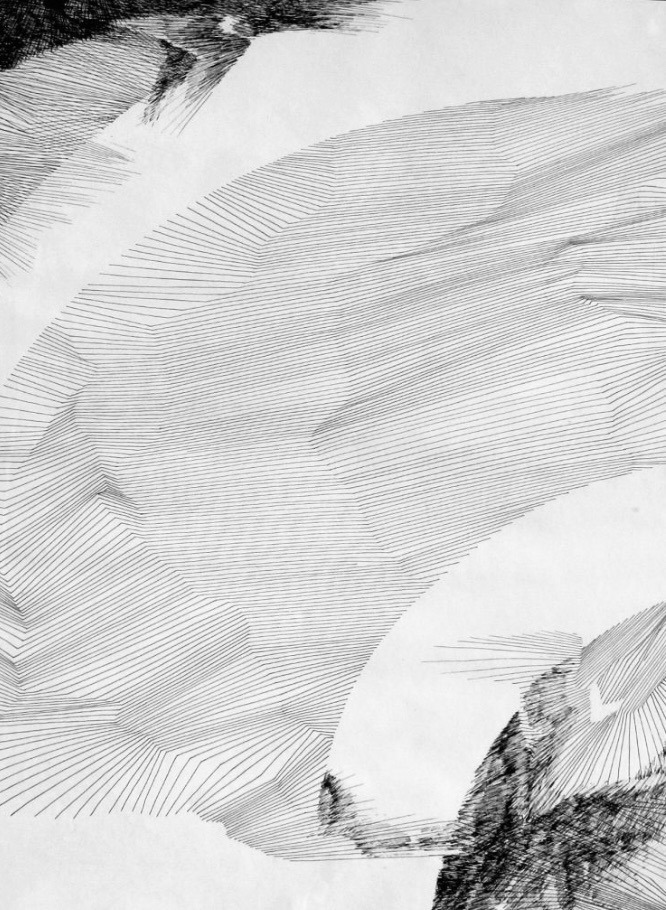
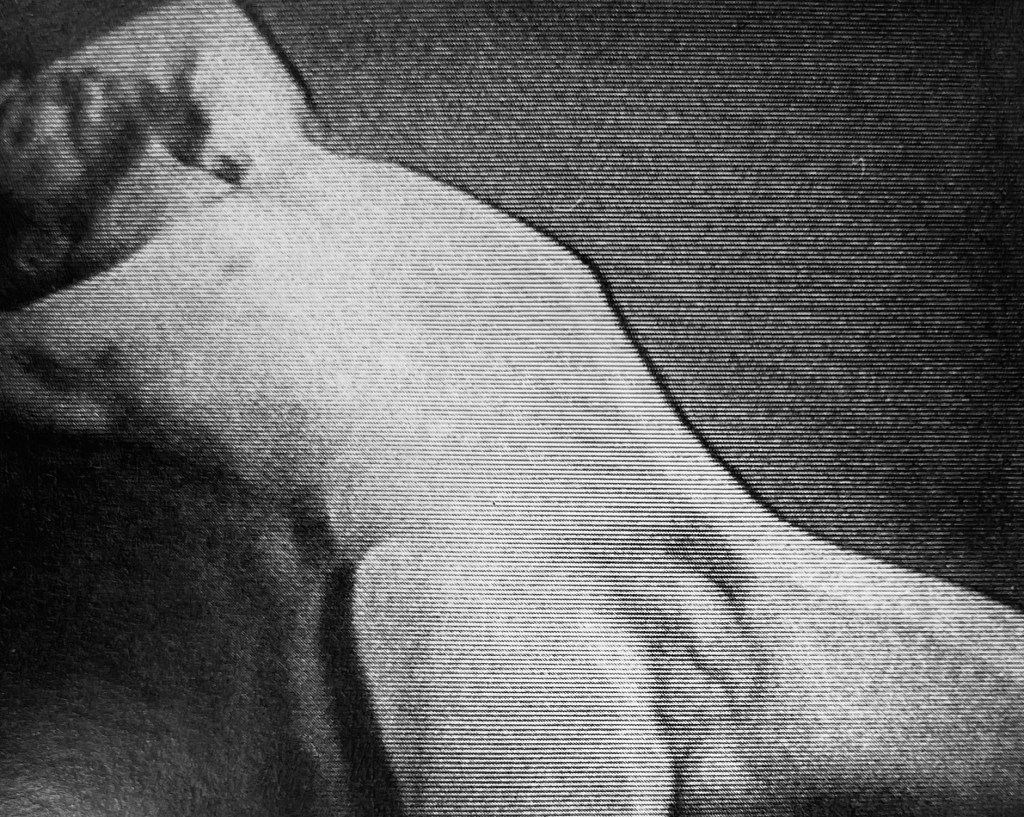
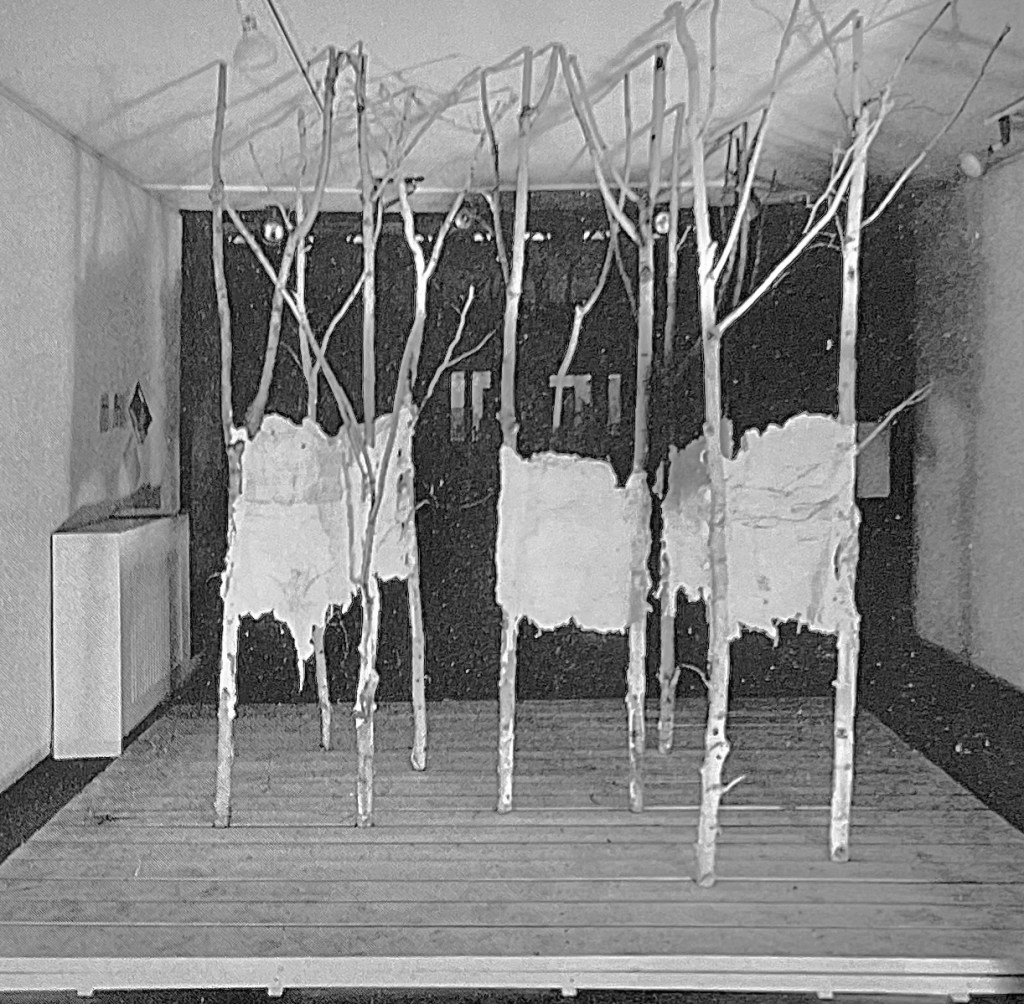
Additional earthen concerns. For the Don Proch installation, animal covering (wool) created the field he constructed in the gallery. George Sawchuk abstracted vertical tree motifs. Judith Eglingron juxtaposed the torso with various elements in a photographic series during these years. Catherine Burgess made assemblages from sawn wood blocks. Sherry Grauer conveyed grainlike patterns through drawing.
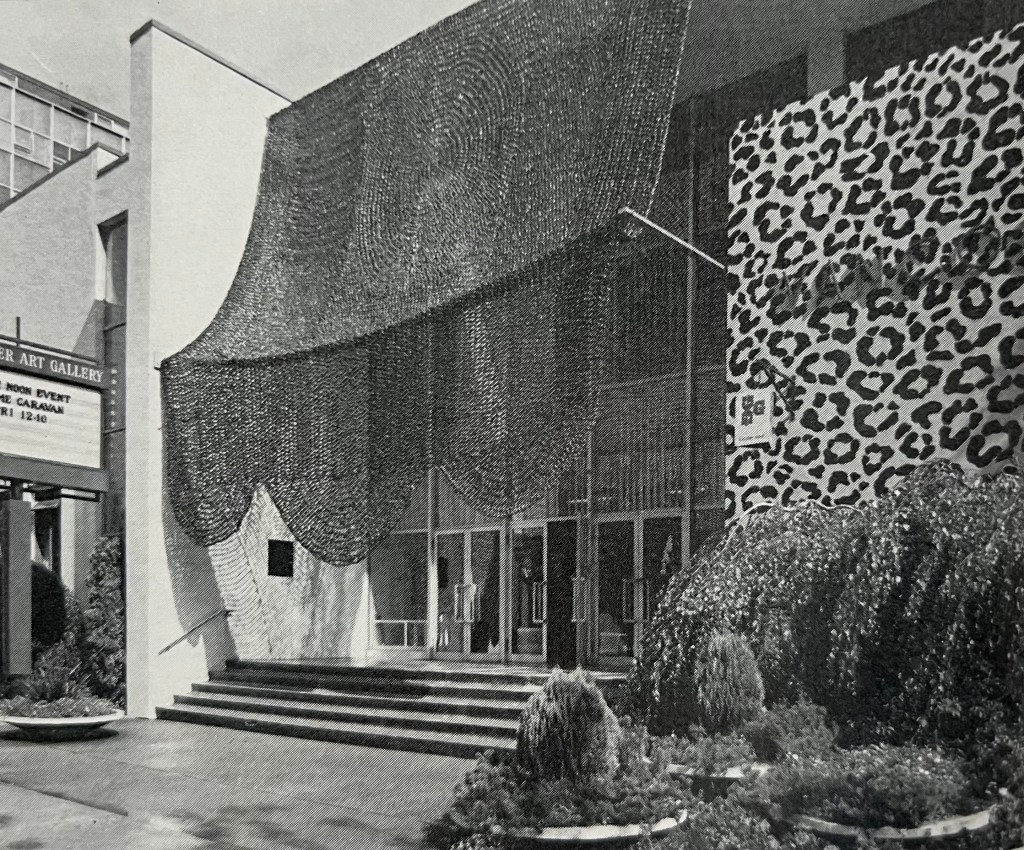
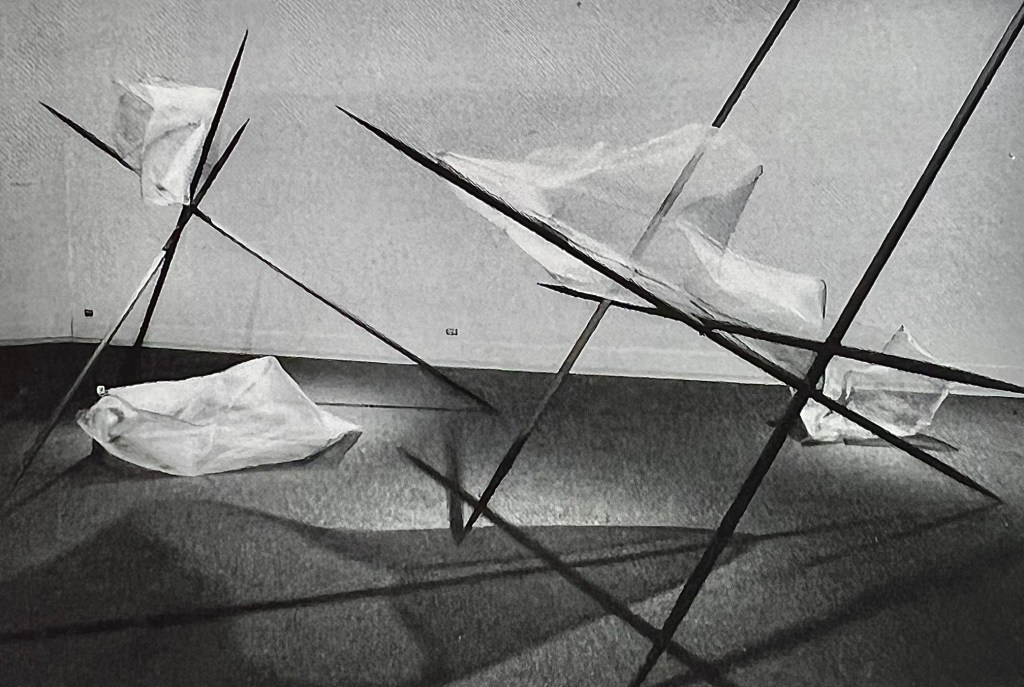
Cardinal often used organic line on his blueprints while the Evelyn Roth example explored gravity effects: fiber art on human-made architecture. Interweaving also figured in the patterned print of Joy Walker. Vera Frankel, whose piece employed the photograph less as an image support than as an object for assemblage, achieved graphic patterning.
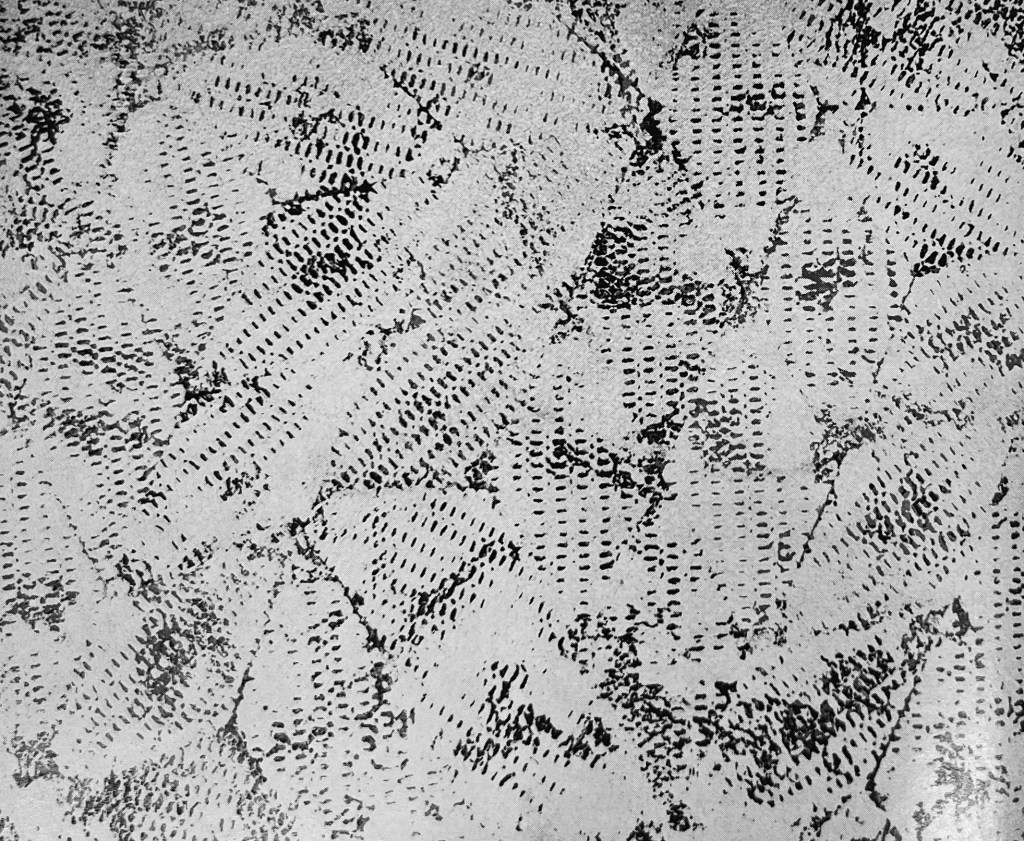
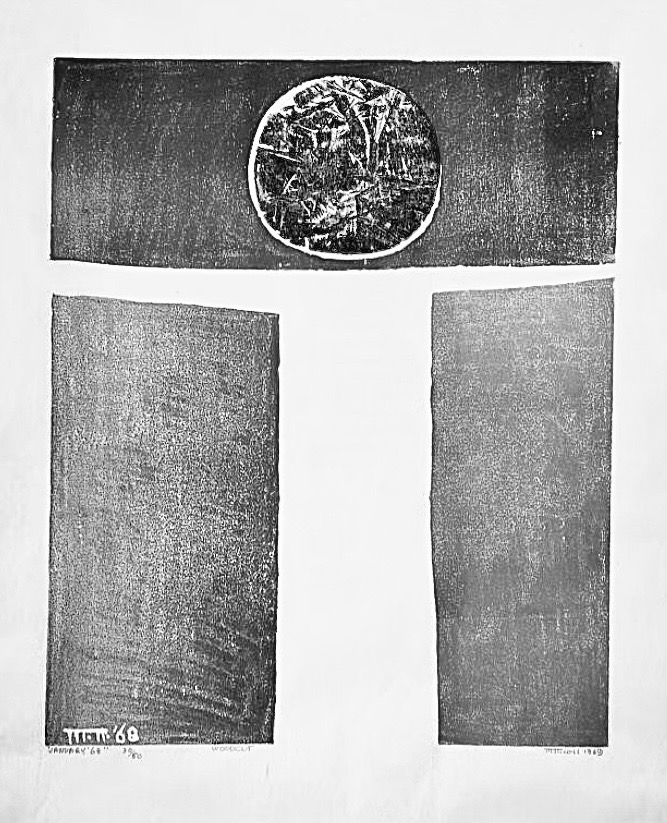
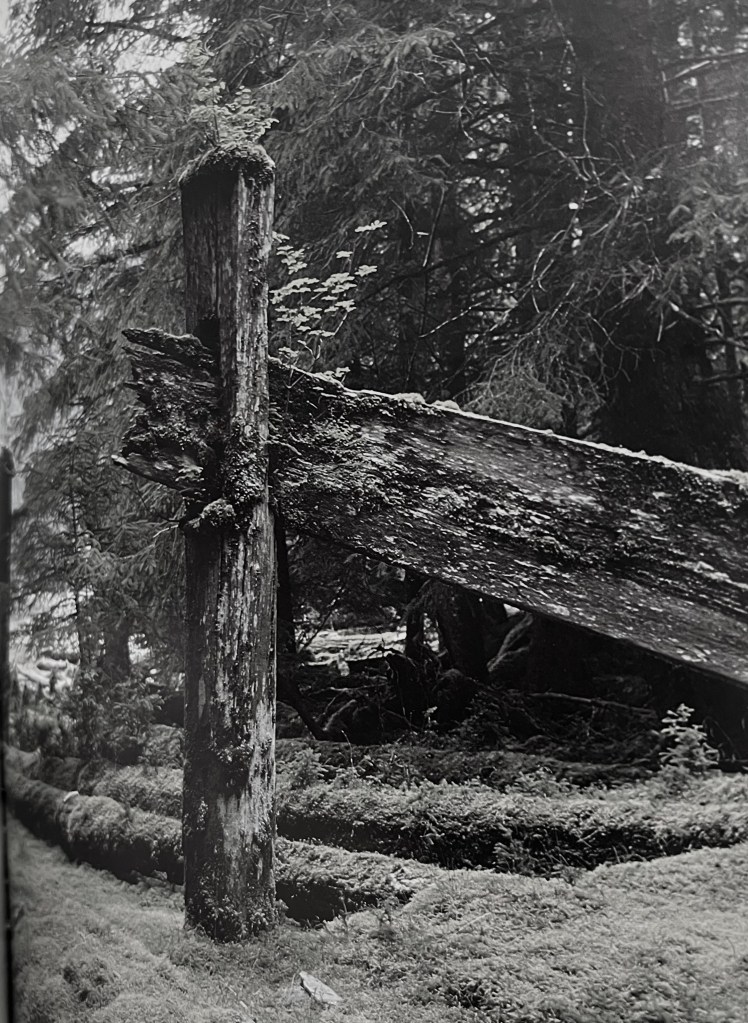
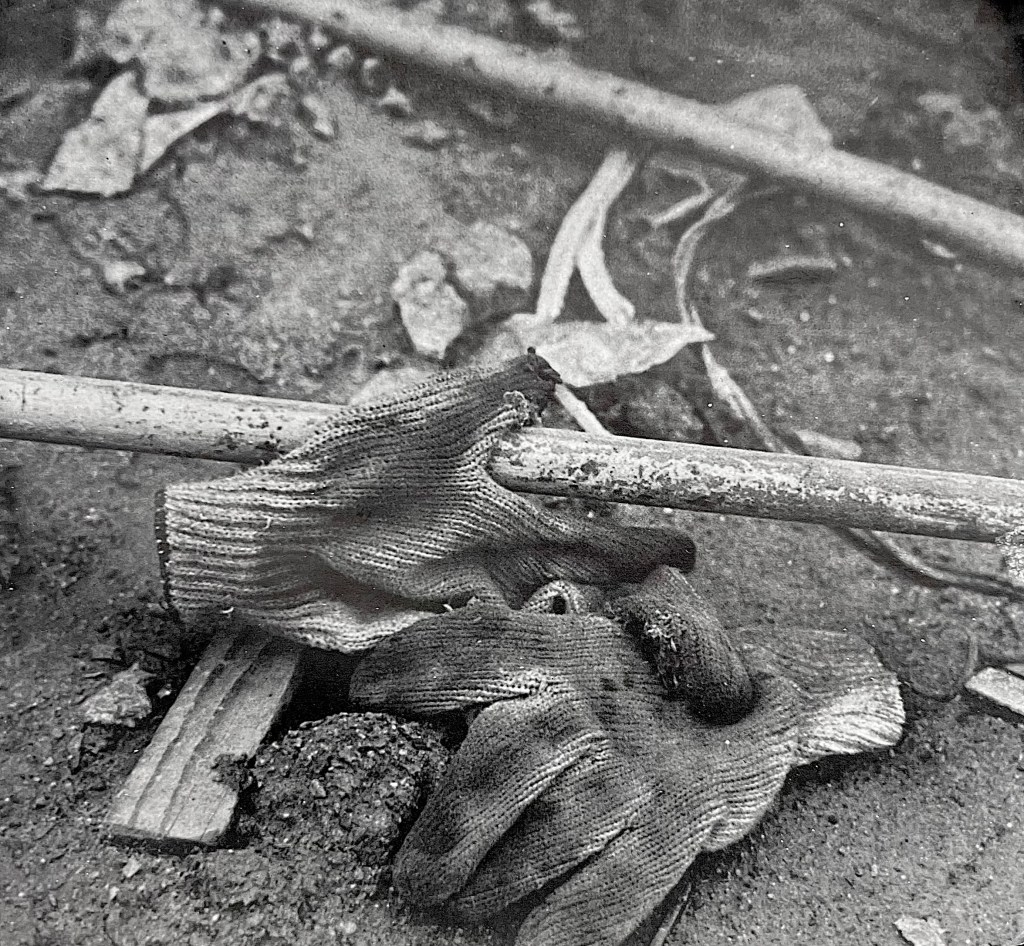
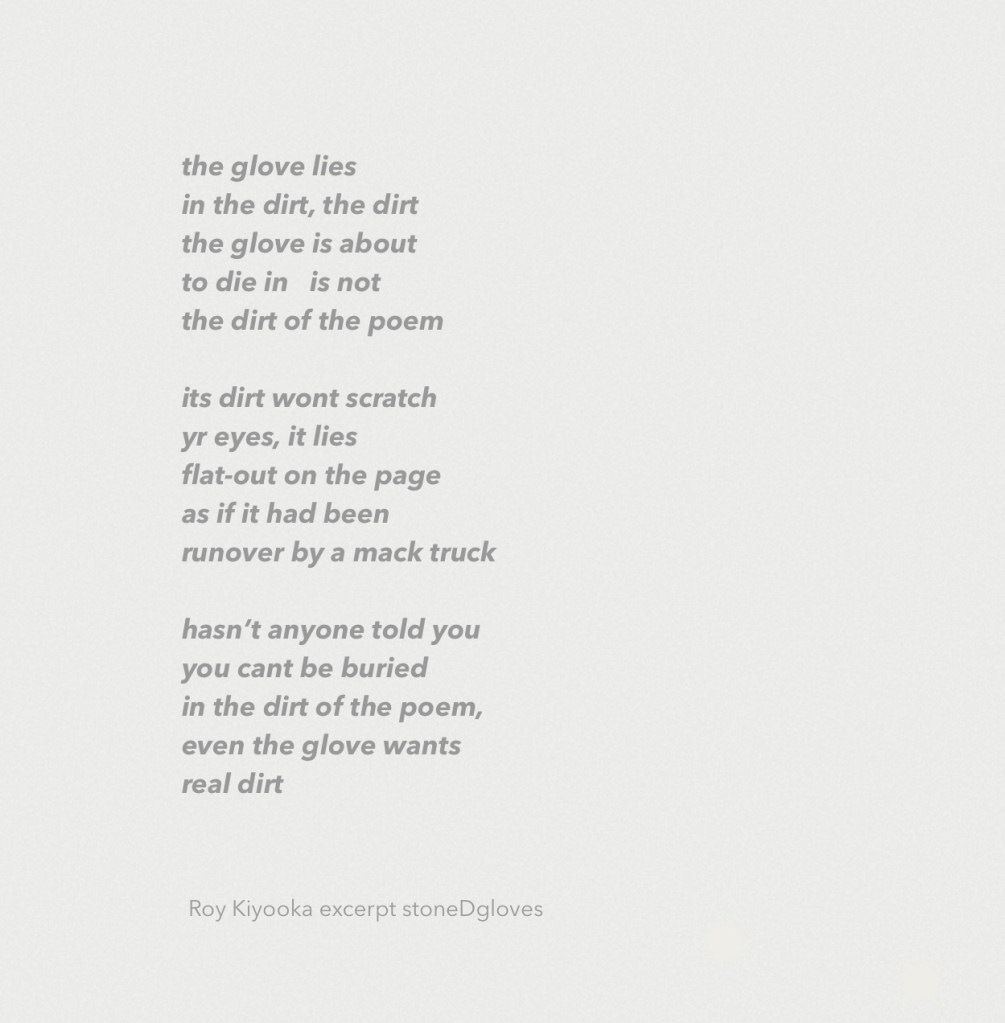
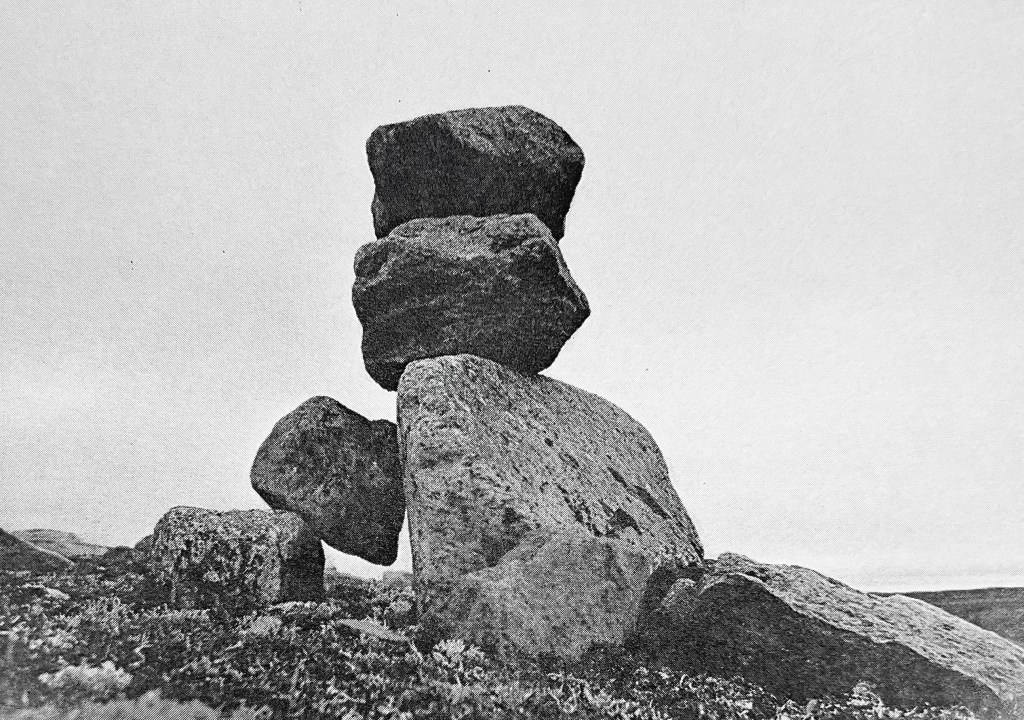
Marion Nicoll explored monolithic forms in printmaking, as shown, while her paintings often focused on reductive organic geometrics. Forms succumbing to nature are the interest in the photograph by Eberhard Otto; human effort resisting nature in the photograph by Roy Kiyooka. Kiyooka was taken with the recurring damaged workers’ gloves he found scattered in the construction site of Expo fields. He published the photos as a visuopoetry book. Humanmade amidst nature.
*
Humanmade forms that catch the eye of photographer Charles Gagnon mirror forms fascinating sculptor Royden Rabinowitch. A similar angularity organizes the suburban photograph by Sylvia Jonescu Lisitza. Human forms represent an opportunity to contemplate who’s gazing, asks videographer Mousse Guernon.
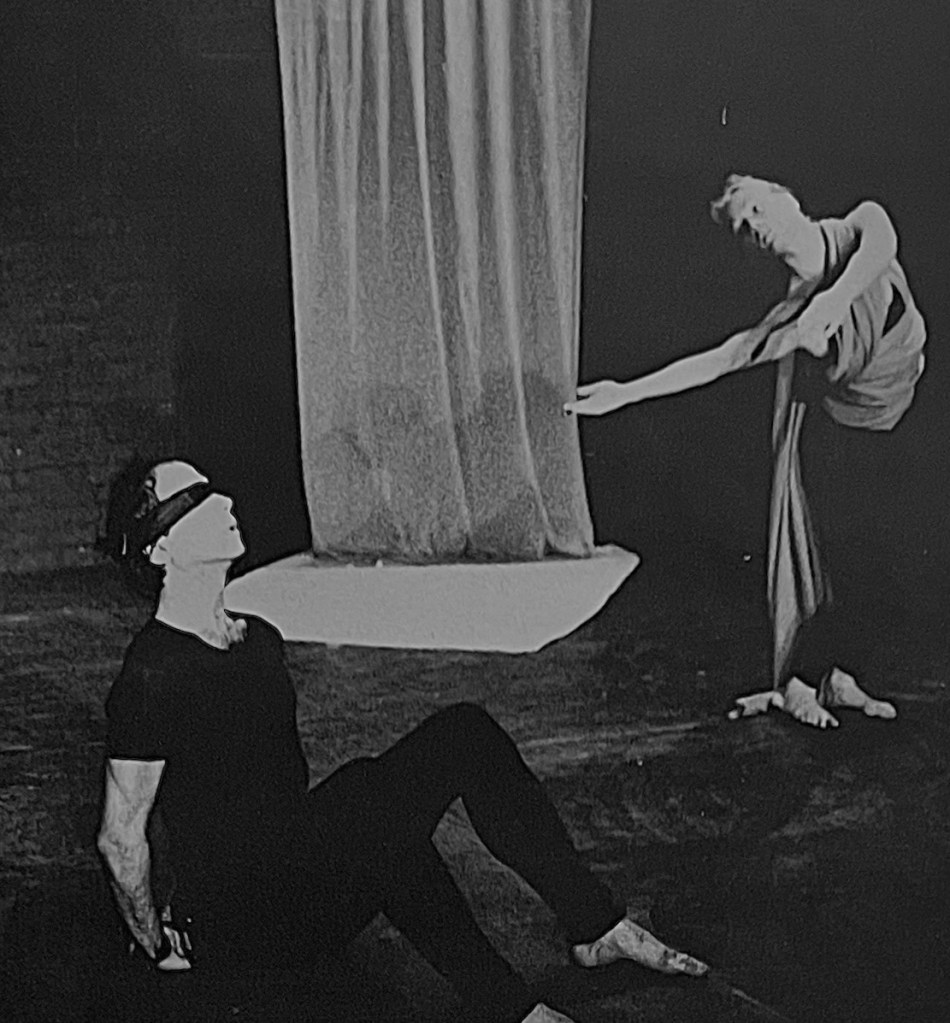
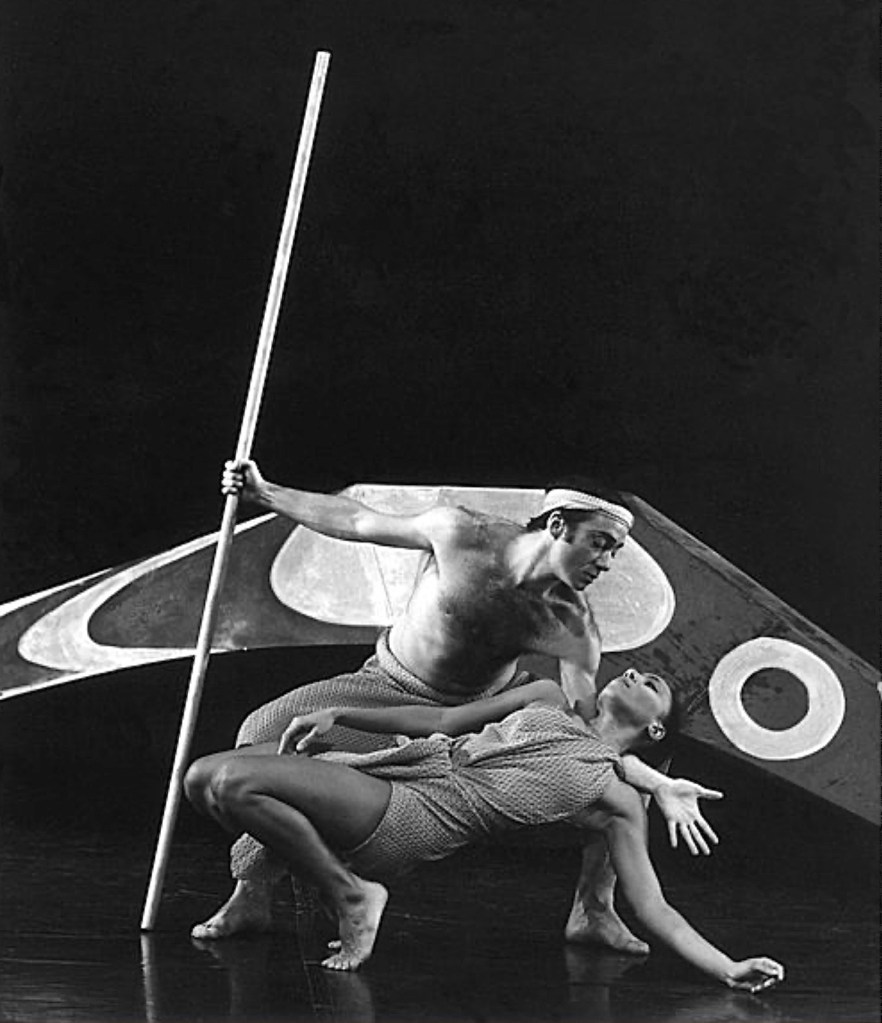
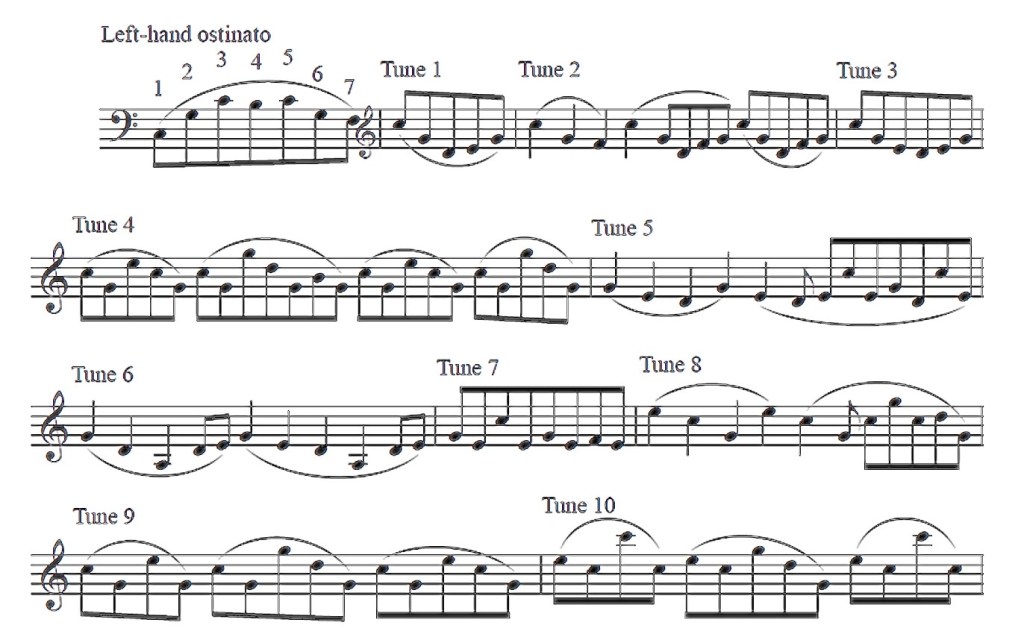
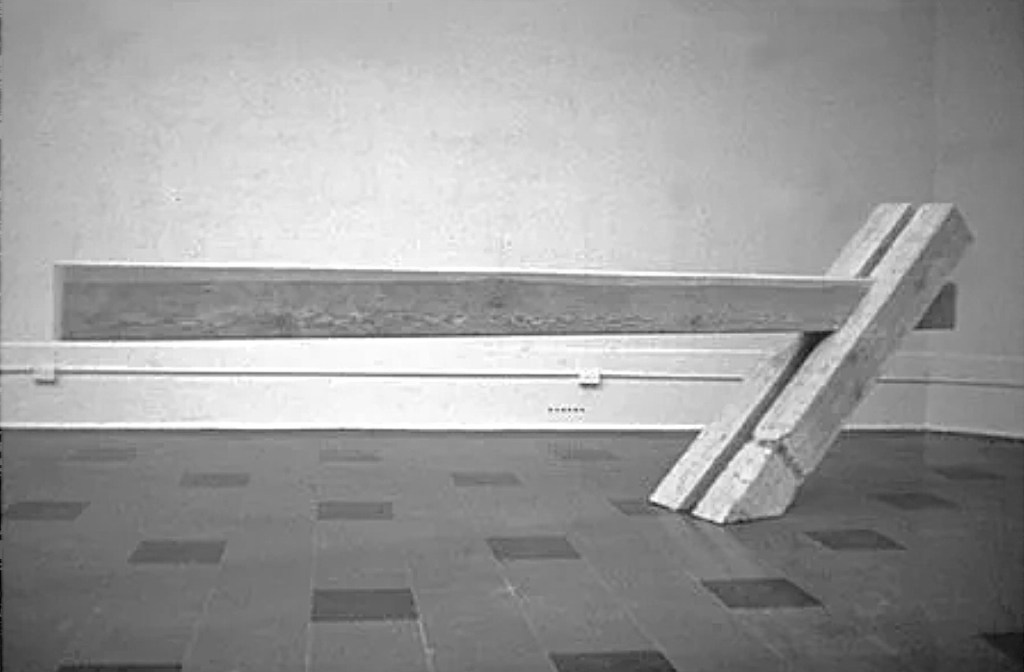
Gravity. It is brought to the fore in the Henry Saxe and An Whitlock sculptures and as always in dance. To emphasize the proprioceptive boundaries of his choreography Boat, River, Moon David Earle commissioned a score in 1972 from Ann Southam. Her electronic work, the modality she practiced until a later shift to traditional ensemble, solo, and orchestral instrumentation, was one of many recordings for modern choreographers. The stage image is shown with dancers Earle and Helen Jones; set design by Ken Mimira.
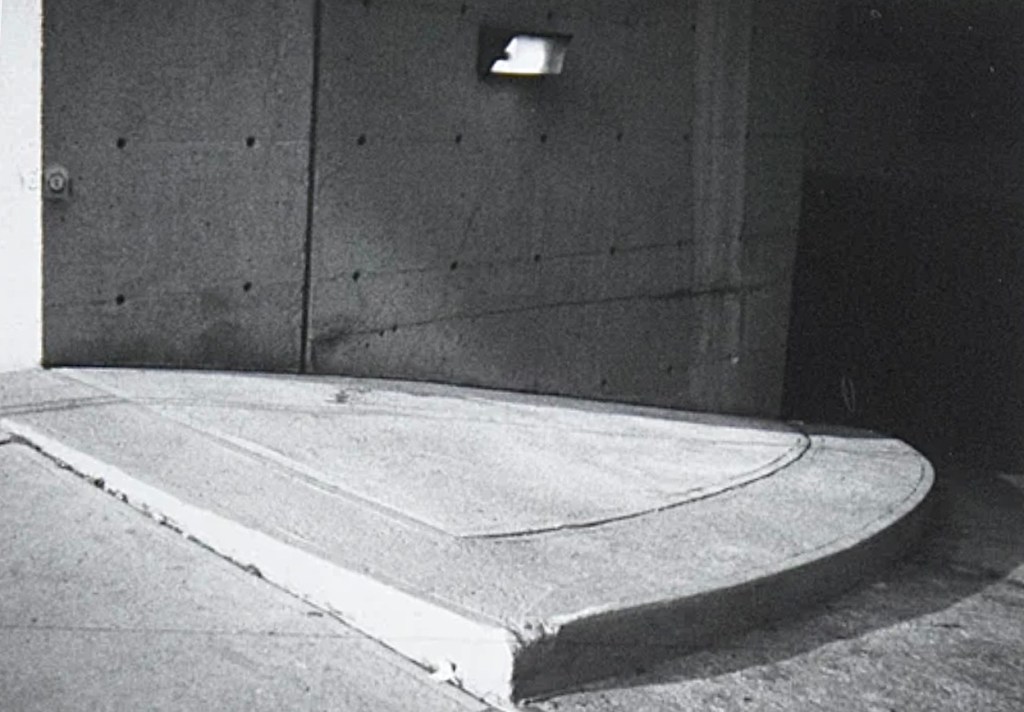
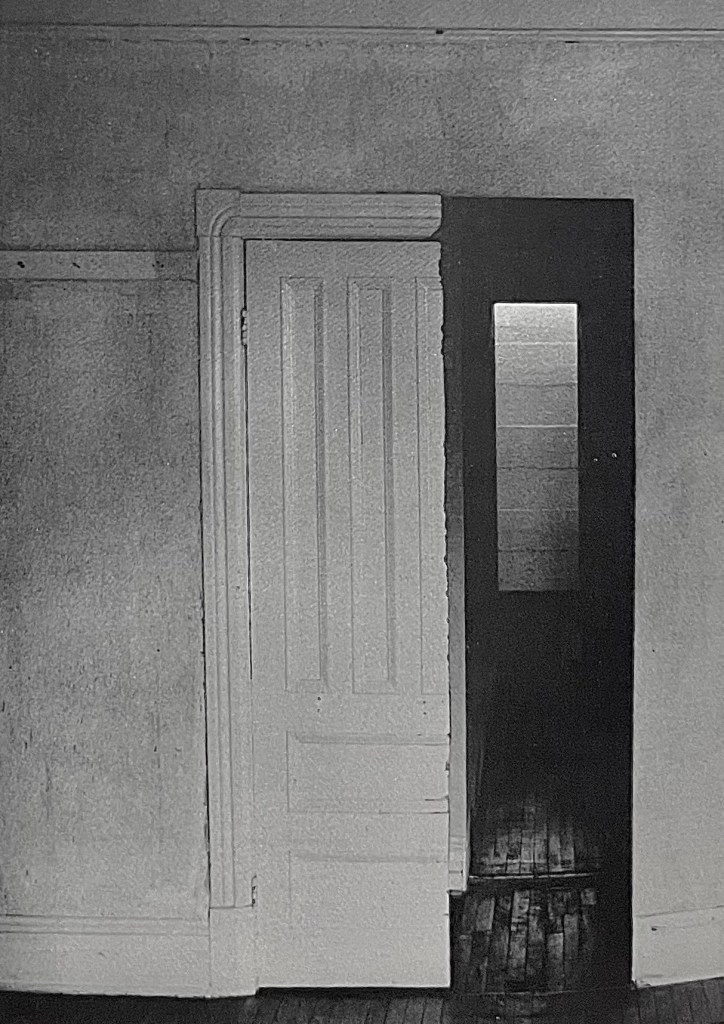
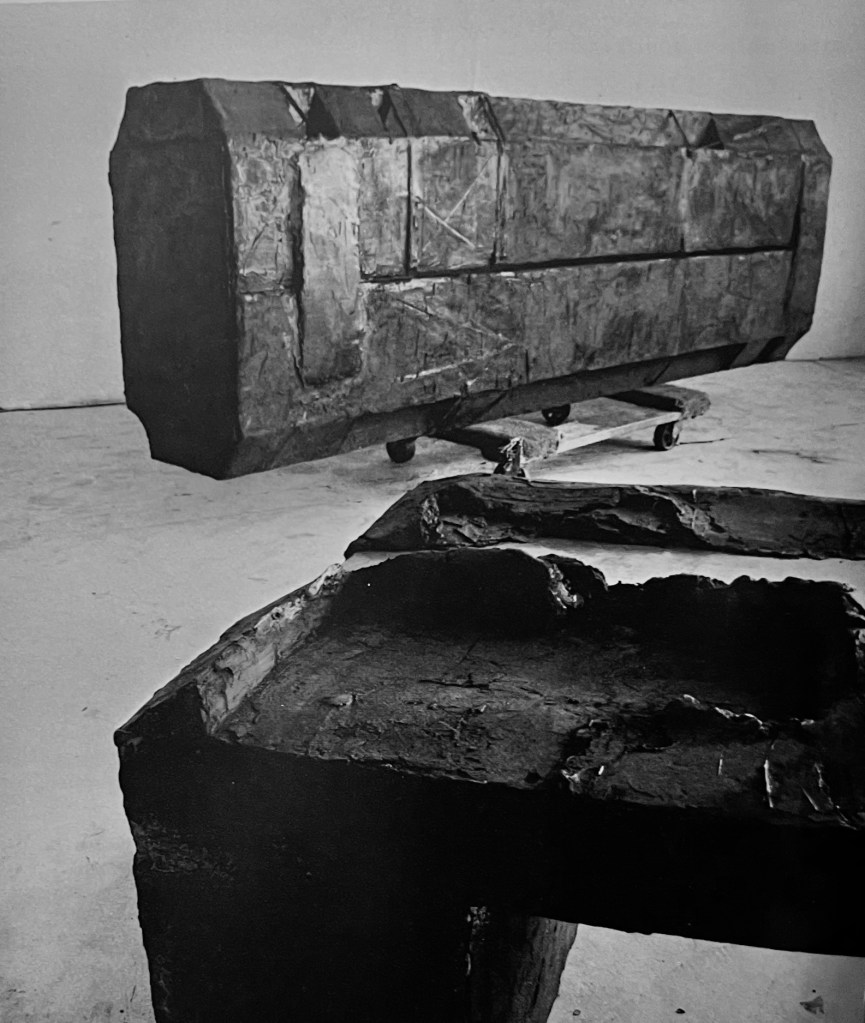
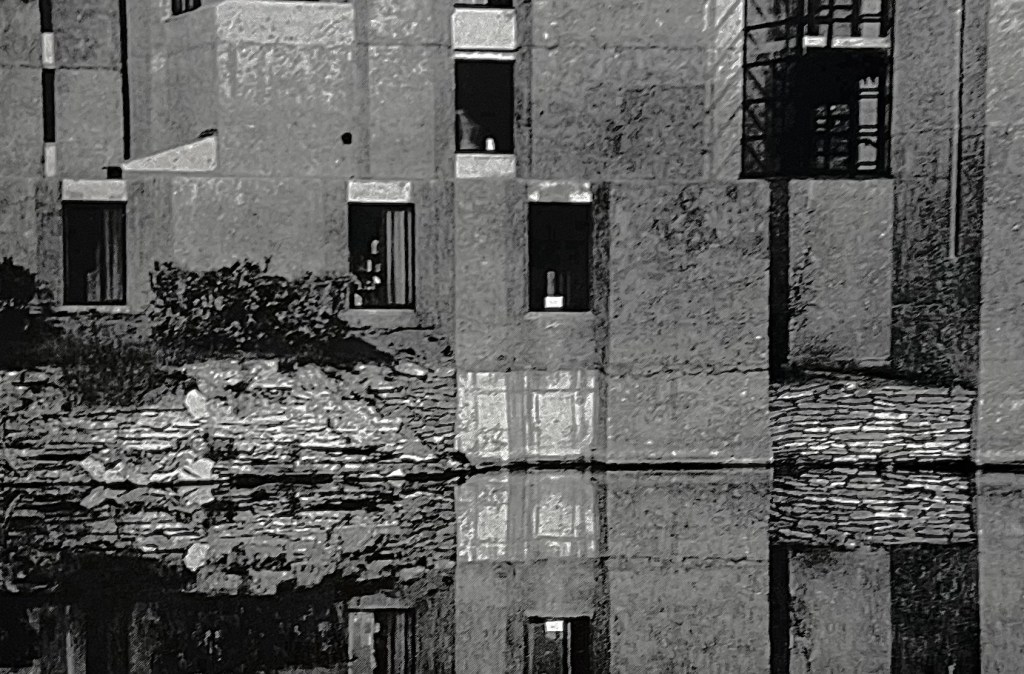
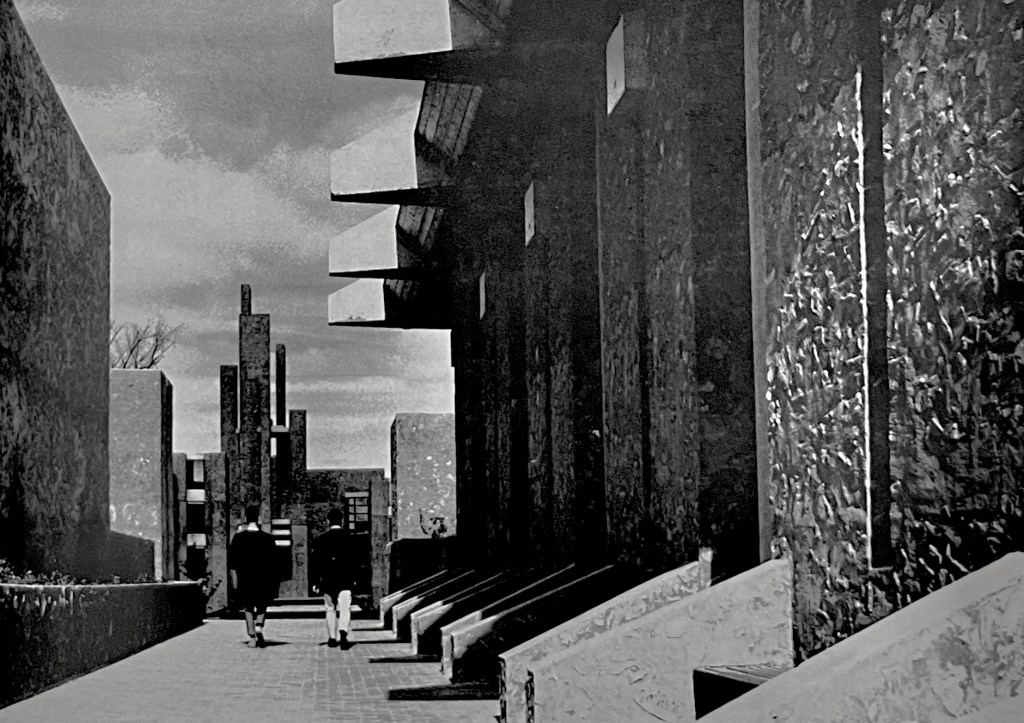
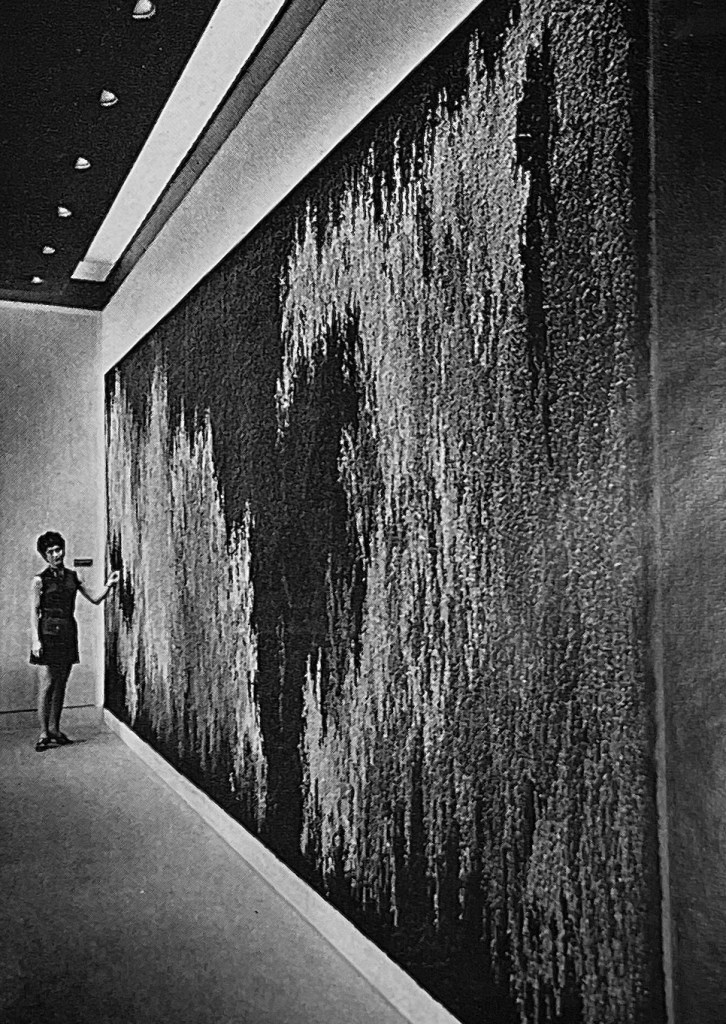
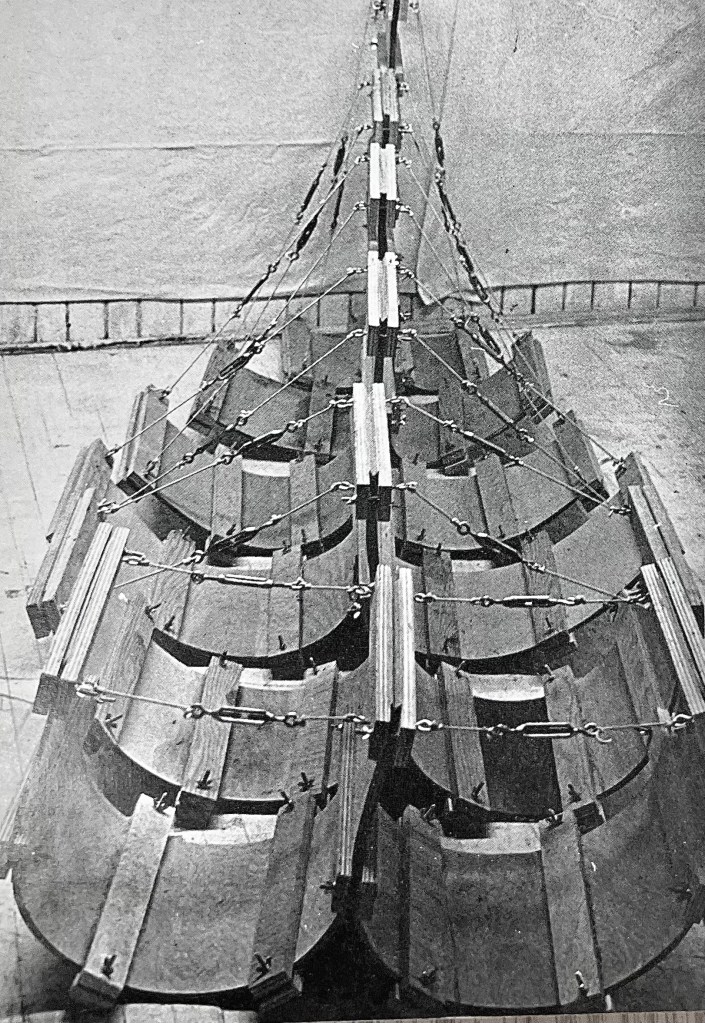
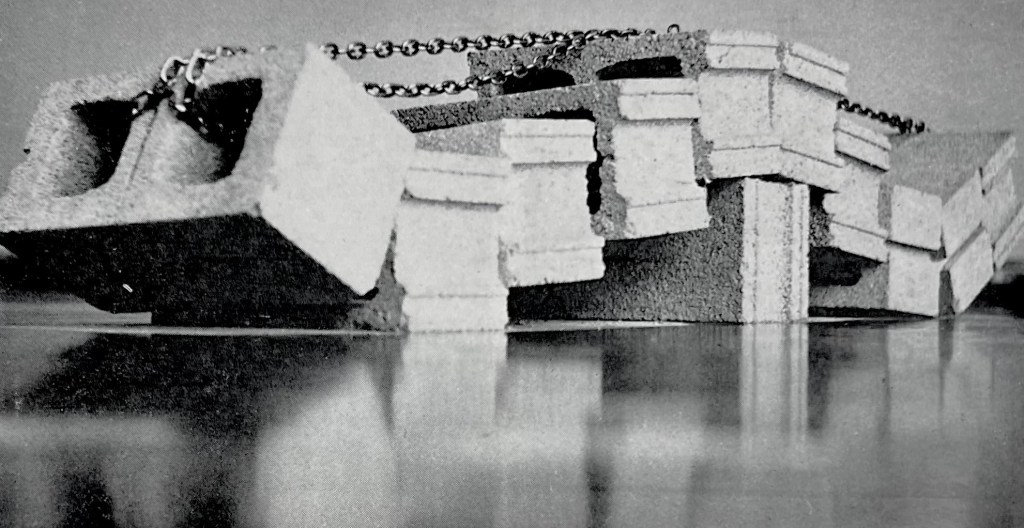
Large scale works were seen from Betty Goodwin, who altered an apartment’s fittings and sightlines; from Irene Whittome’s haptically somber monuments; from Ron Thom’s cast-concrete architectural settings for scholars; from Grace Svarre’s tapestry.
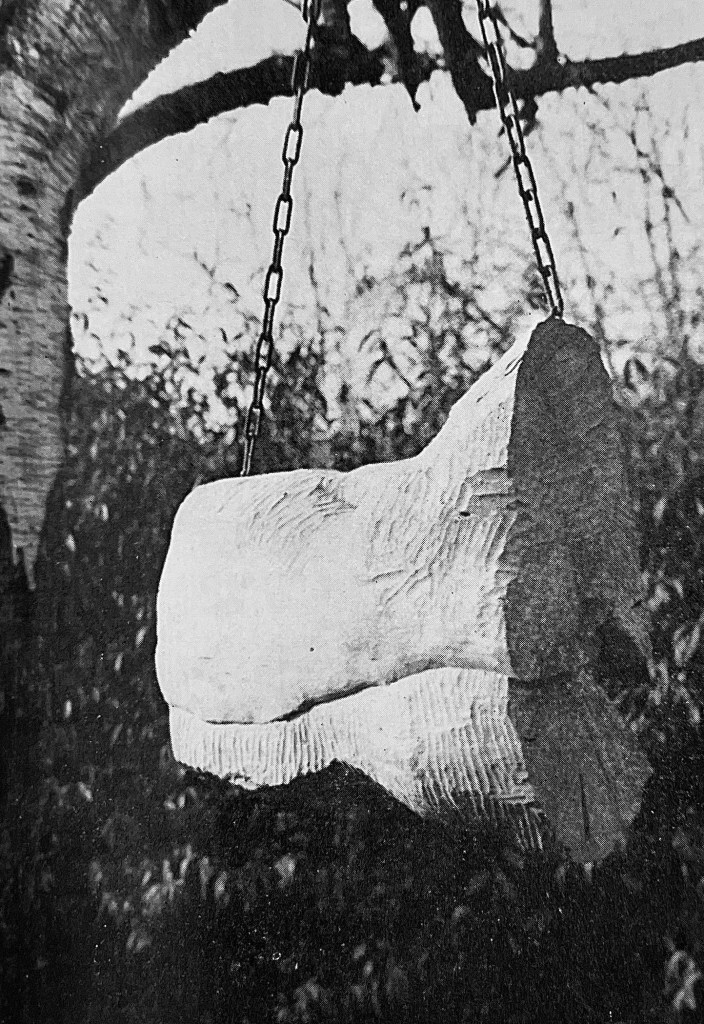
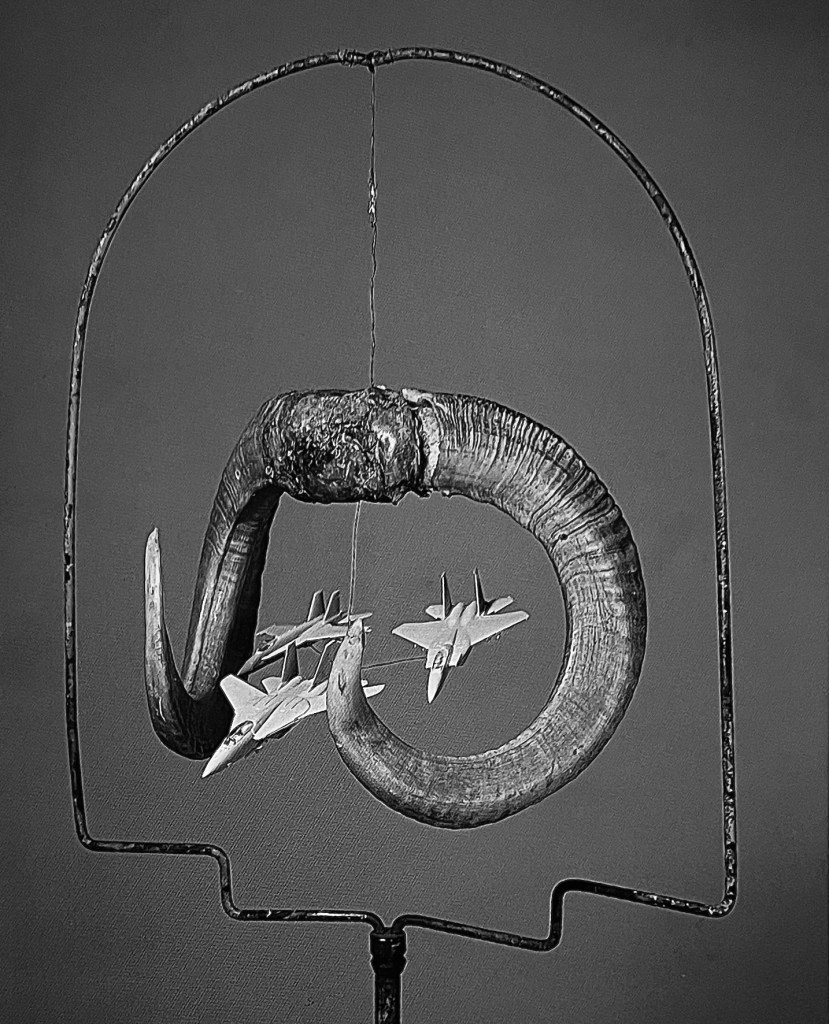
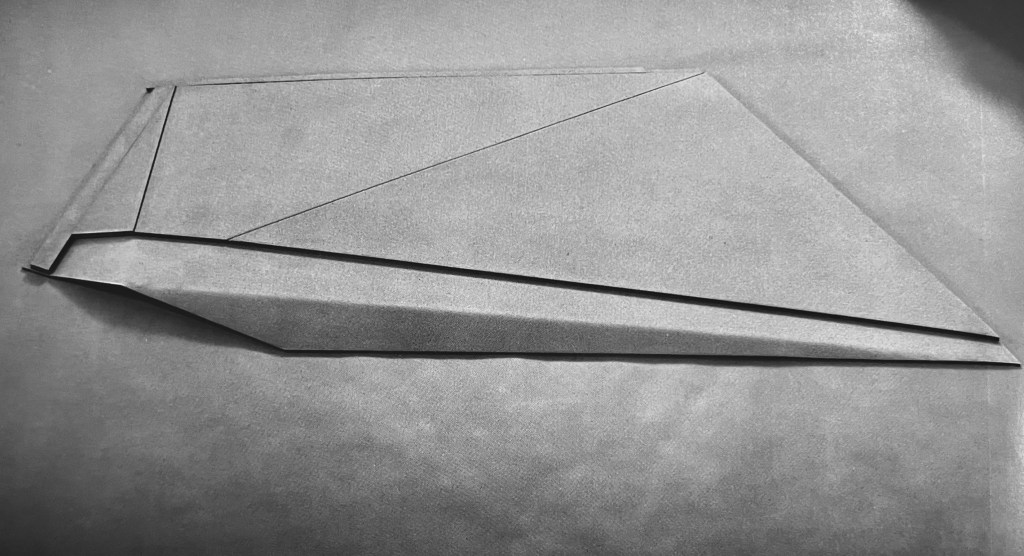
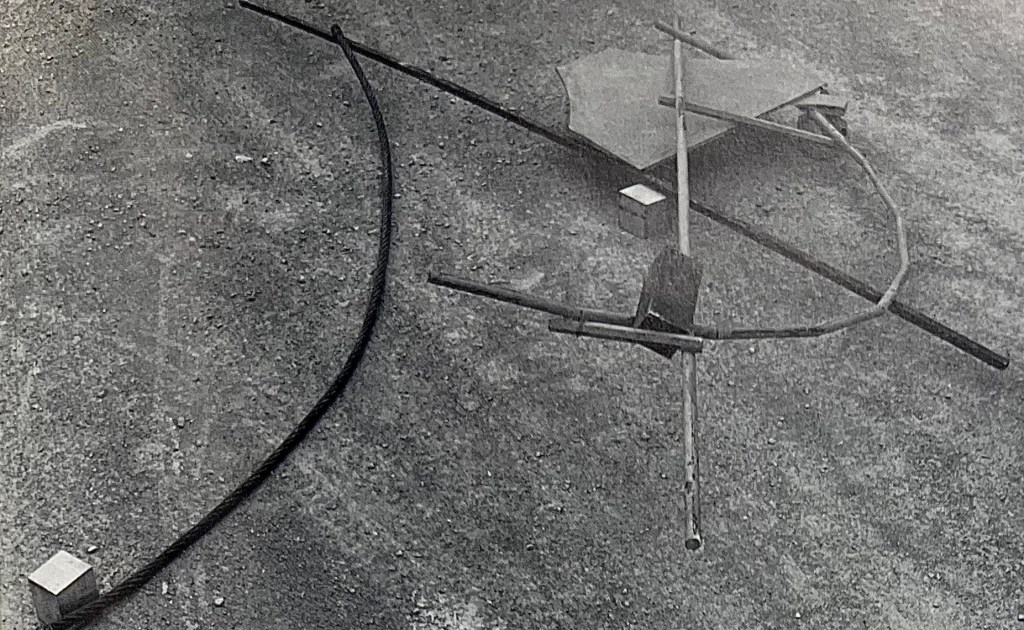
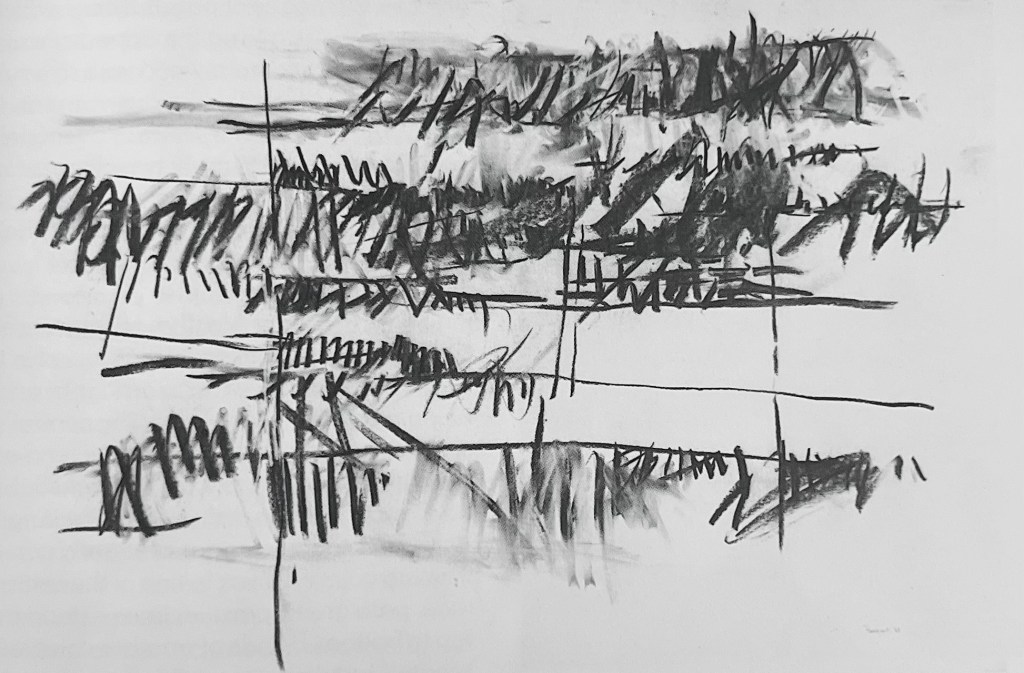
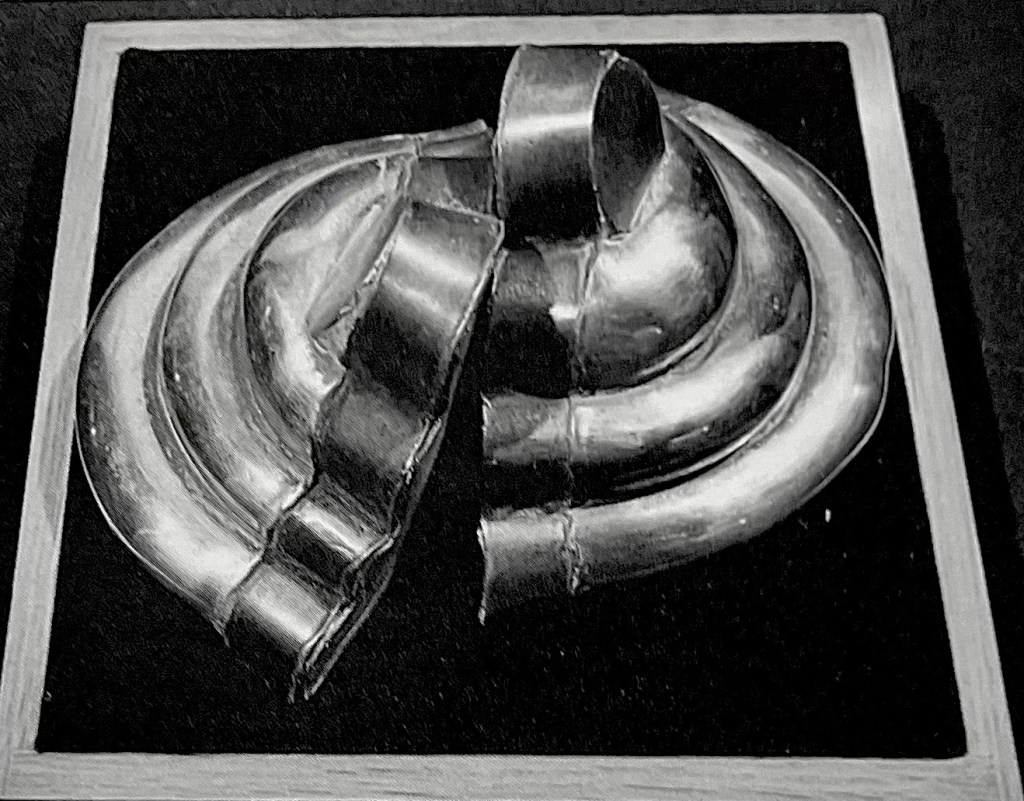
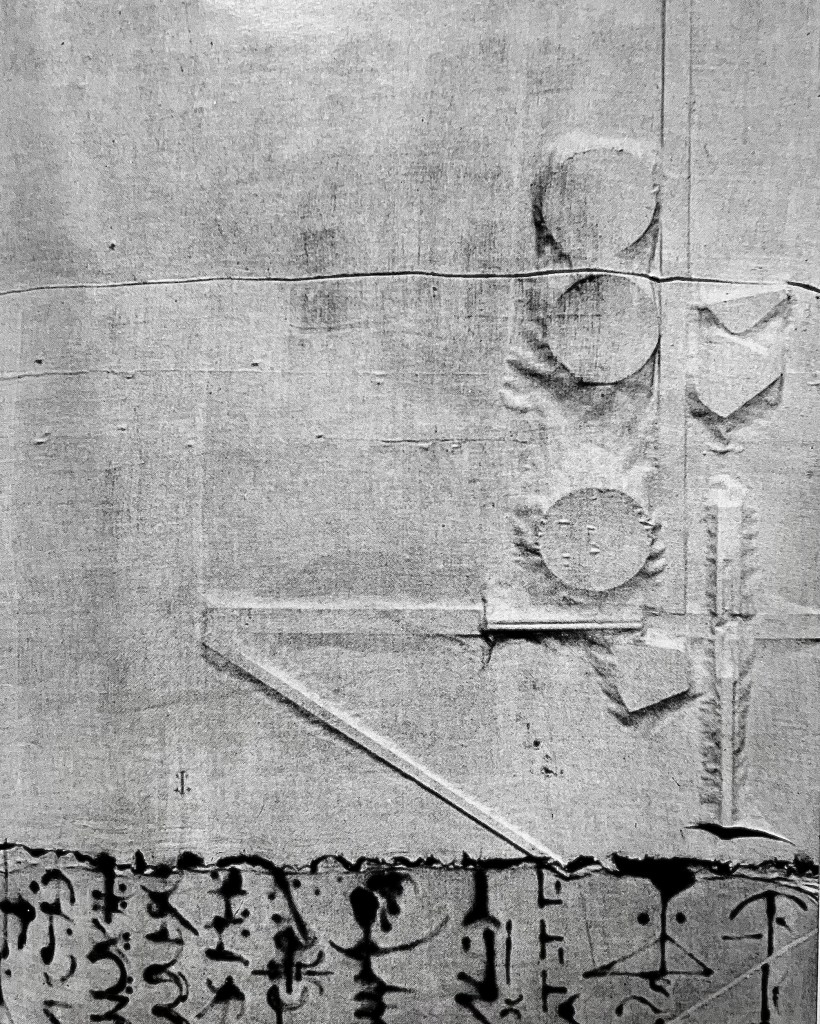
Soft sculpture was presented by Mary Janitch and An Whitlock, hard from Tony Urquhart and Ron Kanashiro, while Colette Whiten combined the two tactilities for an installation. Musical imagery in asemic drawing from Suzanne Pasquin, in score from Southam, and hornlike sculpture from Ric Gomez dated 1976. Paper as medium in relief from Pat Martin Bates and embossed collage from Harold Town. Gravity again as collaborator in cantilevered works by Jean Serge Champagne, Graham Dubé, Greg Snider, photographer Pam Harris.
Cover image: Expo 67 pavilions
 Travertine