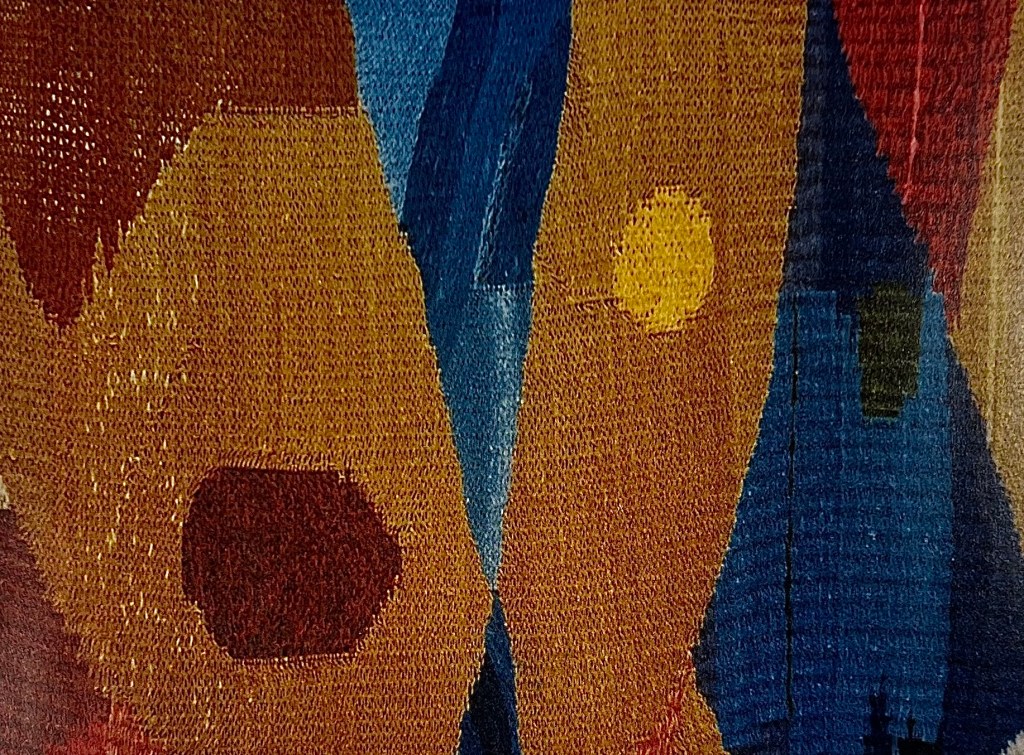
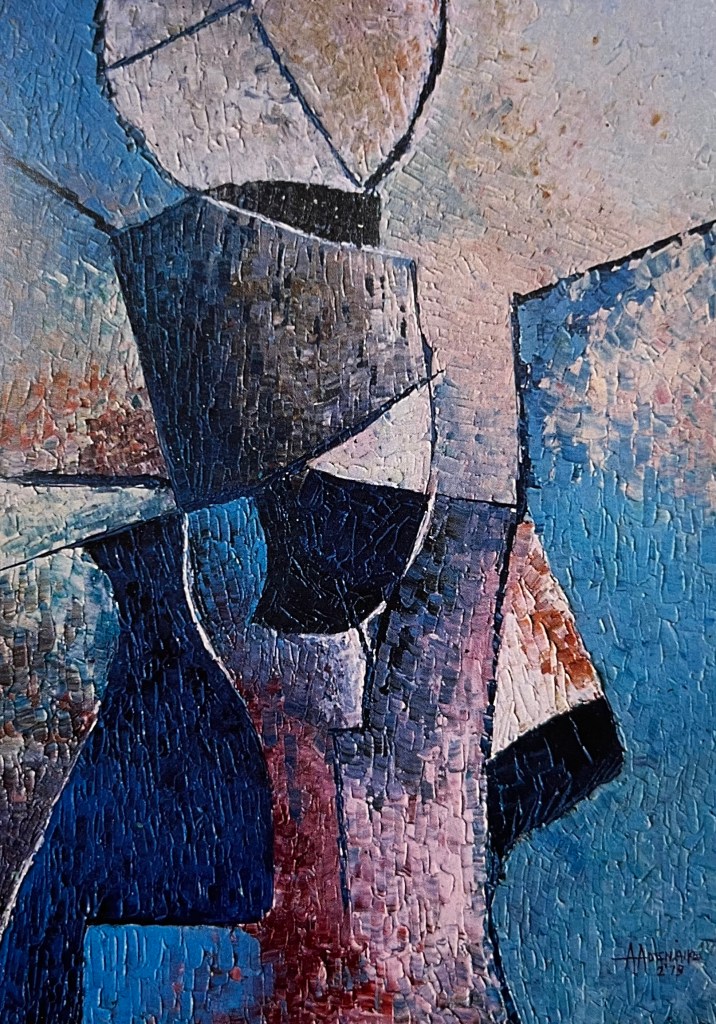
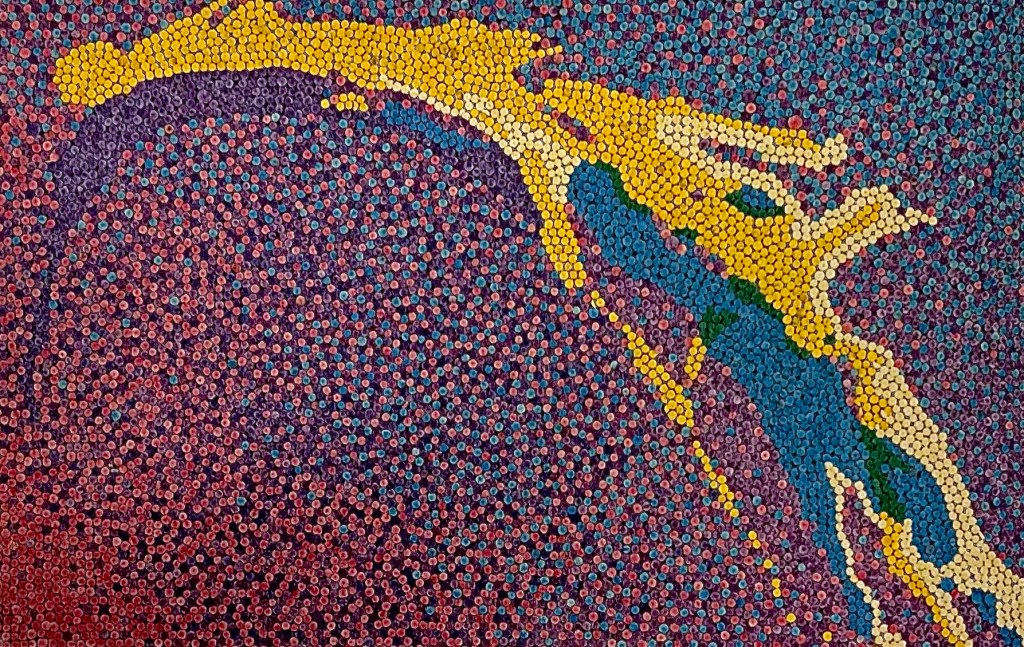
Mosaicking by AV Port-Louis
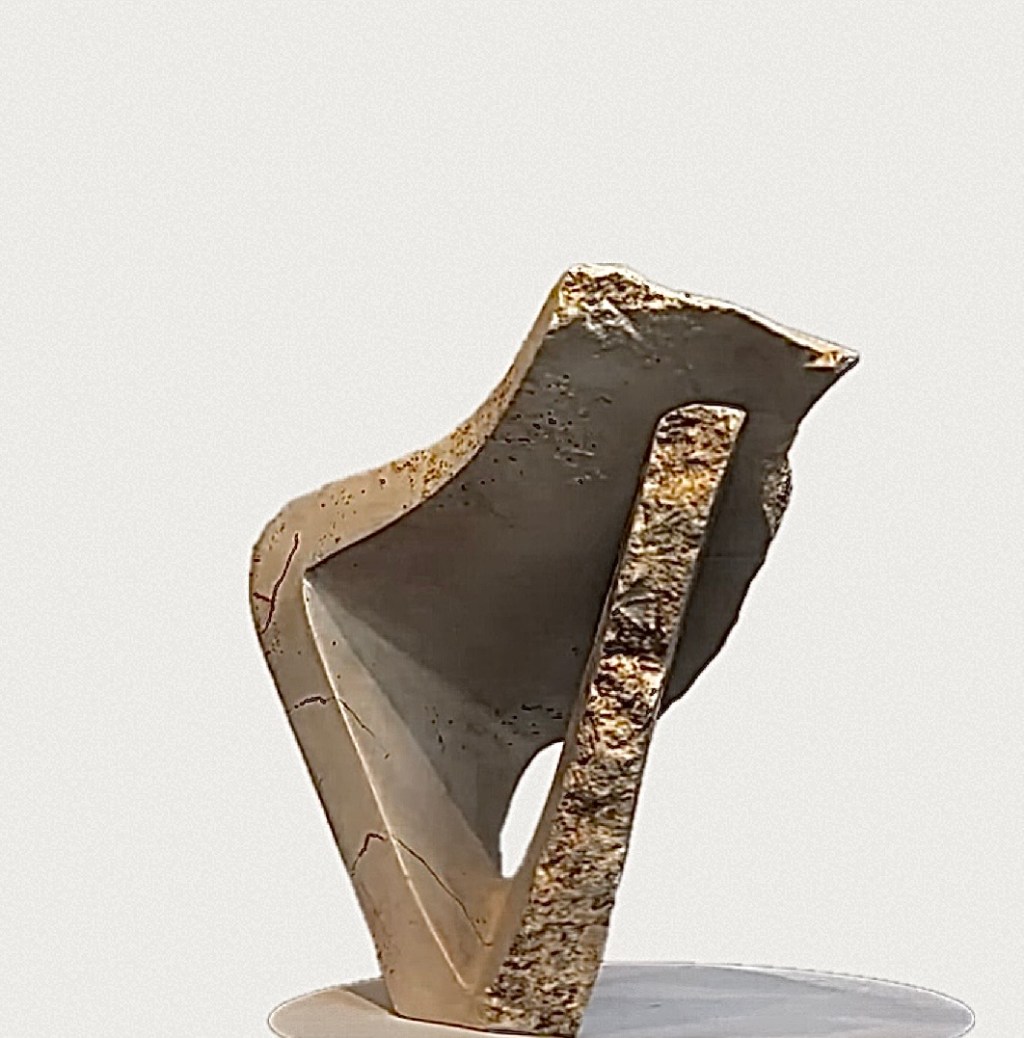
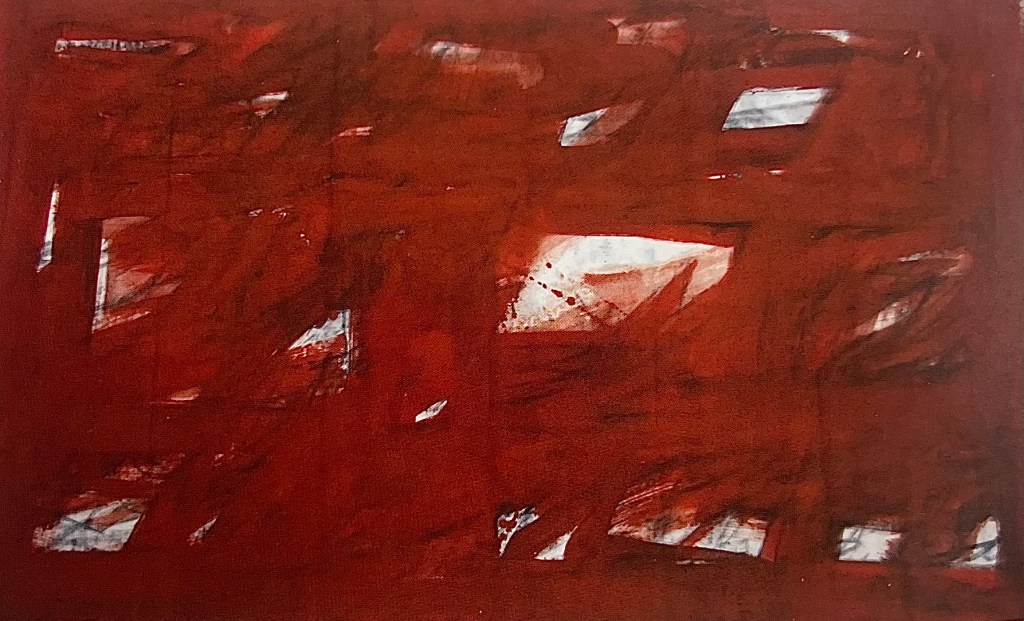
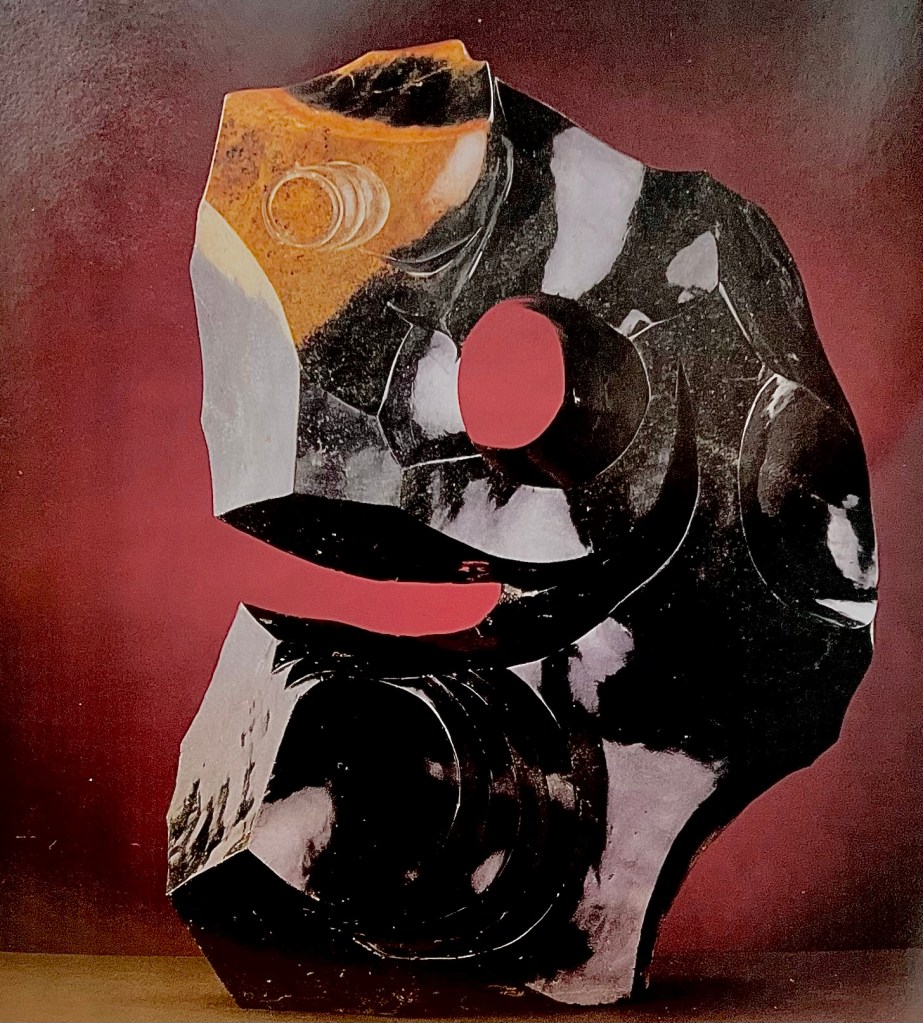
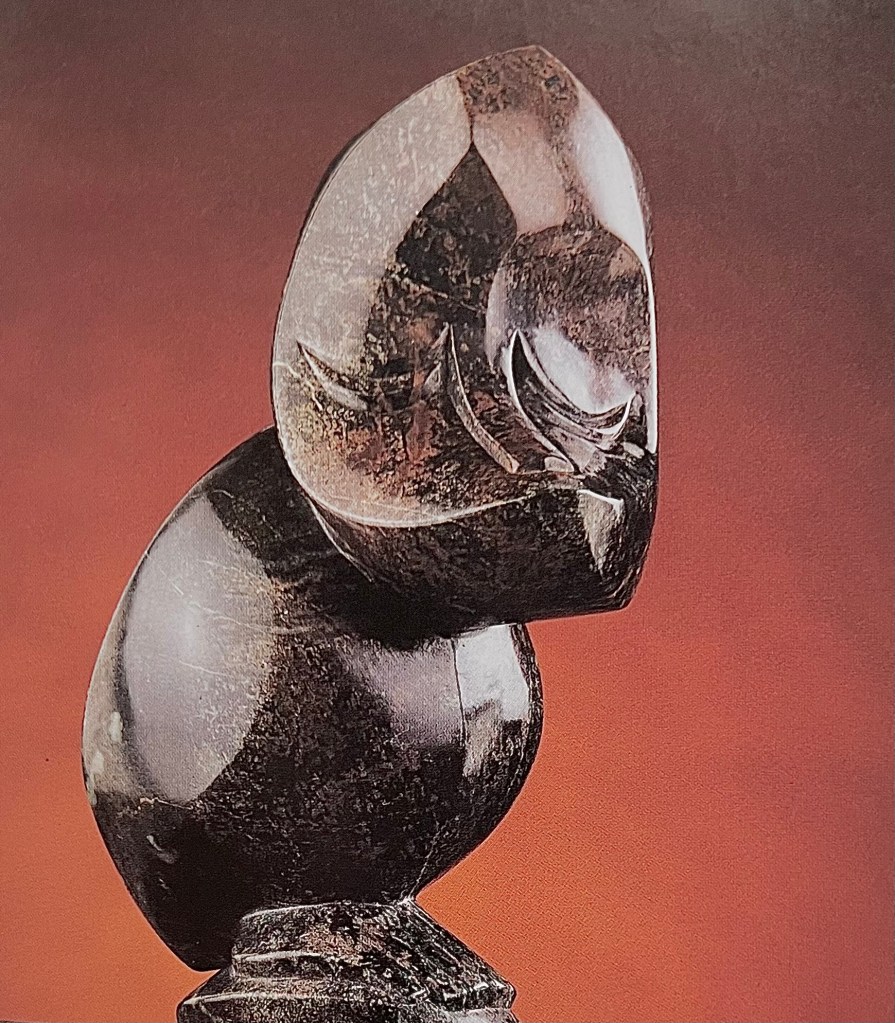
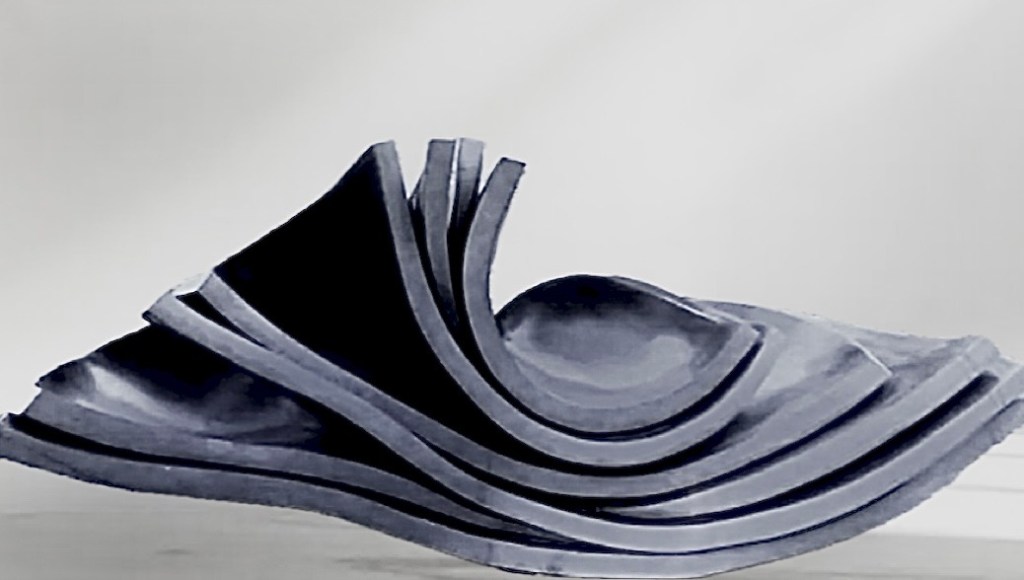
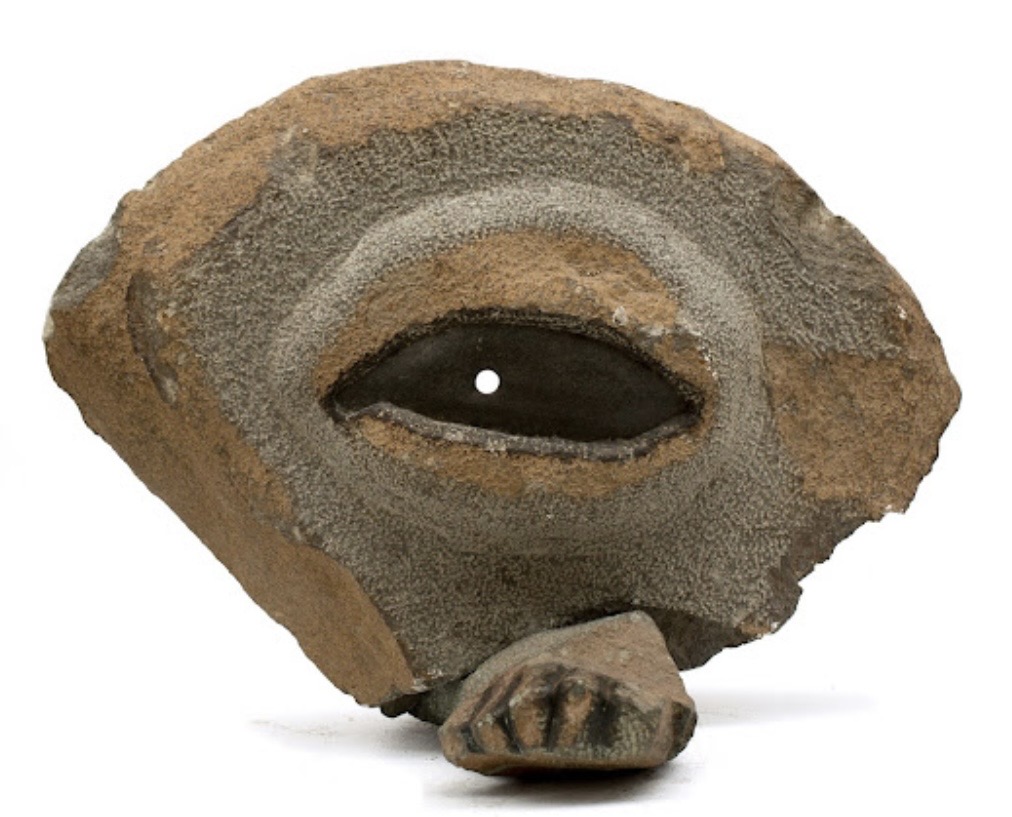
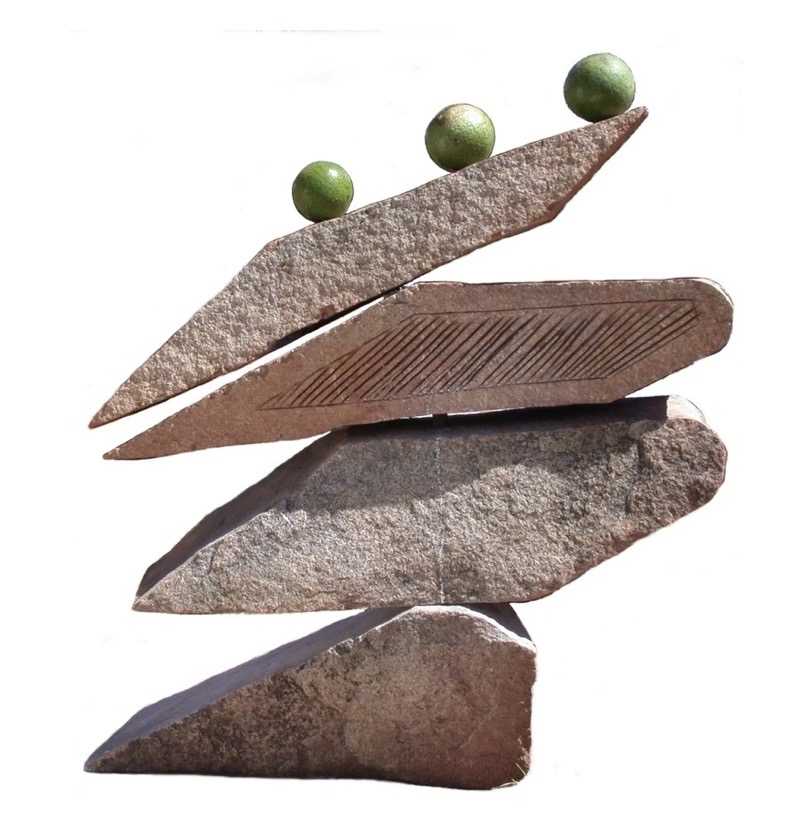
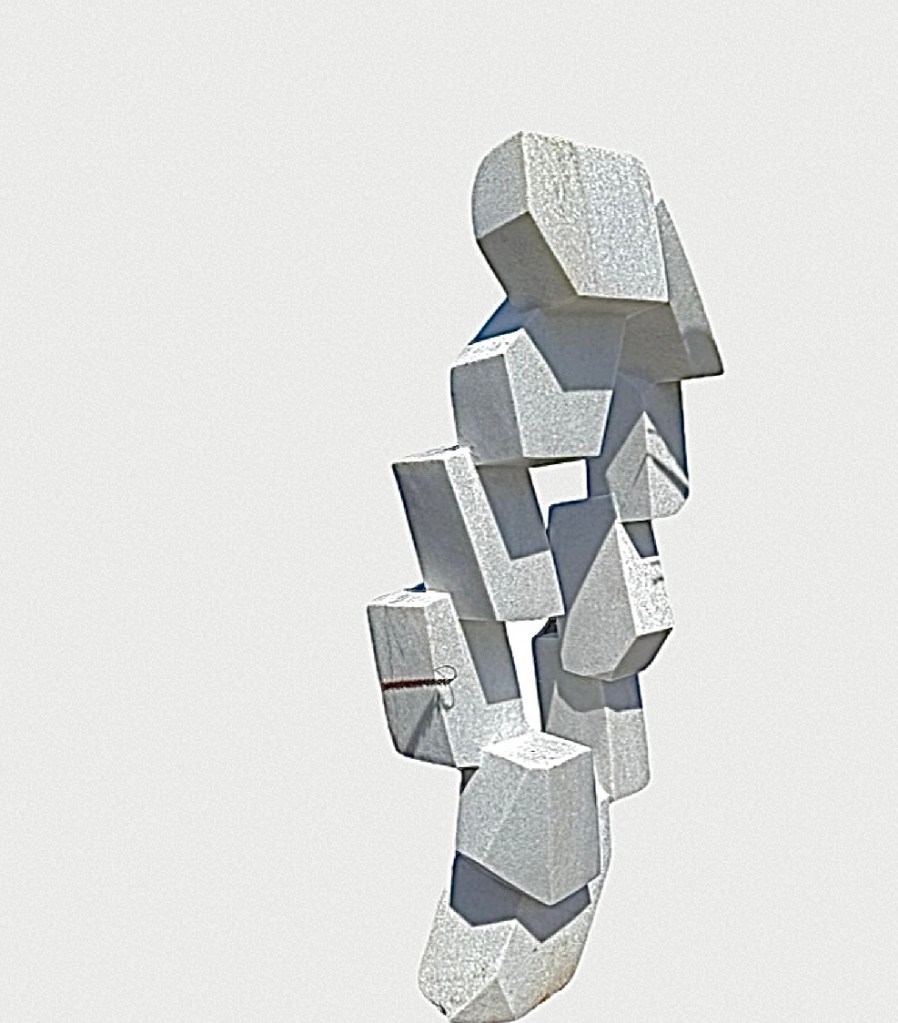
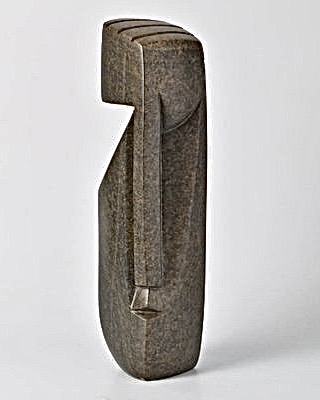
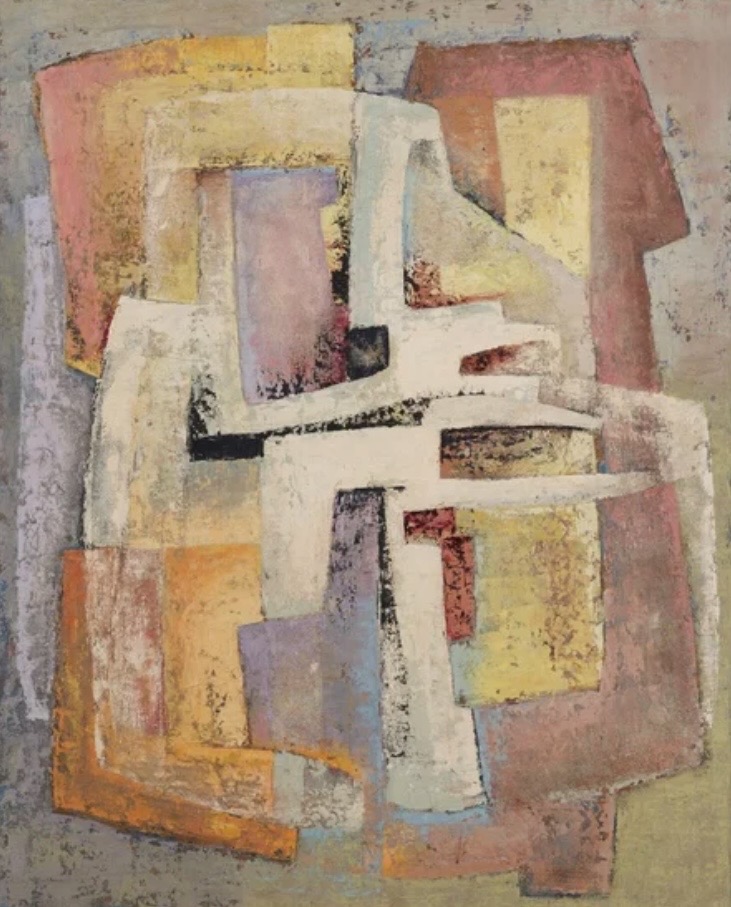
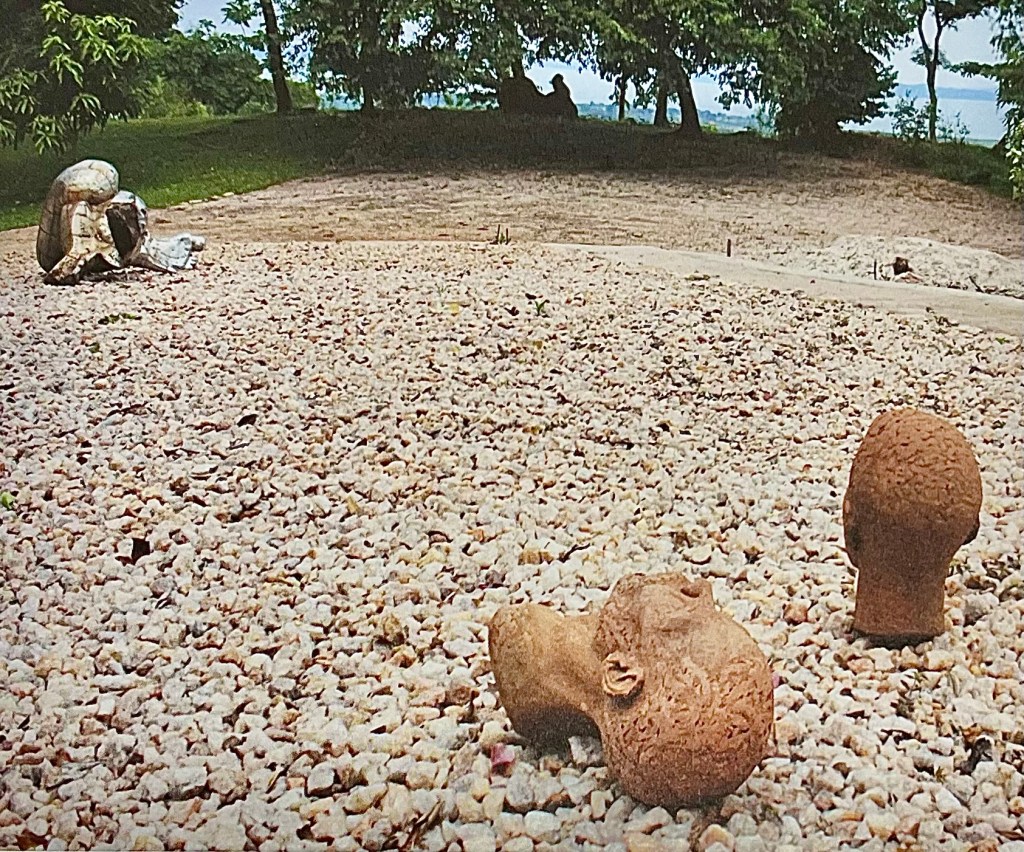
Piecing it together. For Zimbabwe this may bring to mind piecing stone shards. Alternatively, developing an art base that expands traditions.
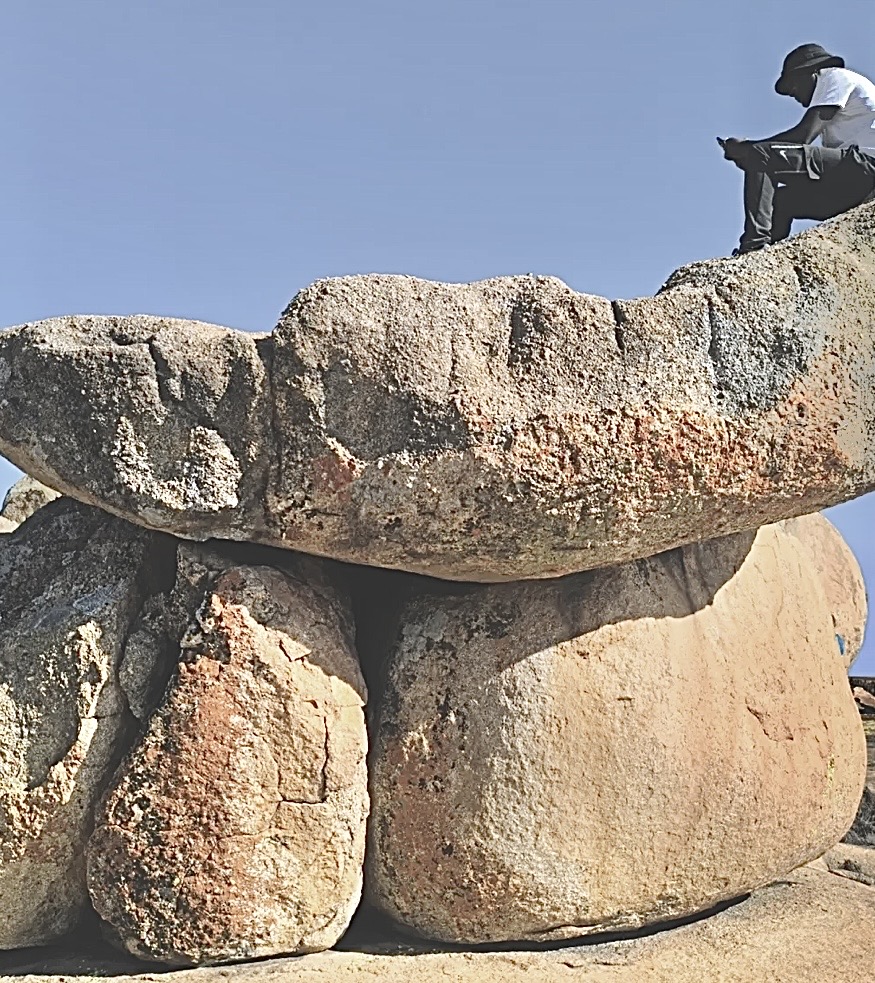
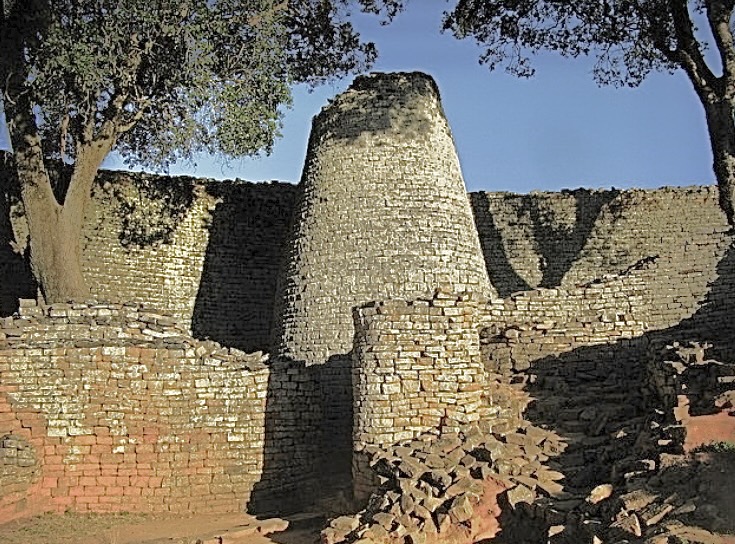
From the 11th century was a stone architecture in the Zimbabwe region that gives its name to the nation. Mortarless stone walls required expertly cut material. This expertise seemed naturally to have extended into stone carving for aesthetic and cultural objects. Stone work continued after the Great Zimbabwe rule was replaced by Mutapa State from the 15th century, the Rozvi military empire from the 17th, until the briefer periods of Ndebele, British South Africa rule in the 19th century, then UK, Rhodesia rule preceding independence in 1980.
By the mid20th century religious missions began lifting sanctions on stone carving of objects. A bit of funding for arts education was meant to counter the landworker exodus caused by international trade sanctions against crops from minority-led Rhodesia. The funding allowed moribund farms to convert to stone carving residencies. The carvings exhibited in Paris, London, NY— direct sales that obviated a Zimbabwe network of gallerists. In this manner the stone carvers became valued in a western collecting circle but were barely noticed at home where traditions continued and street vendors provided longstanding motifs expected by the tourist trade.
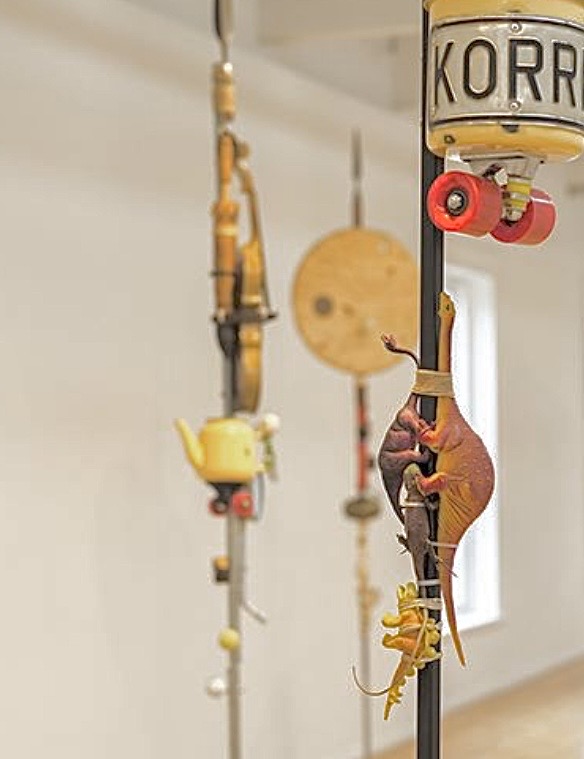
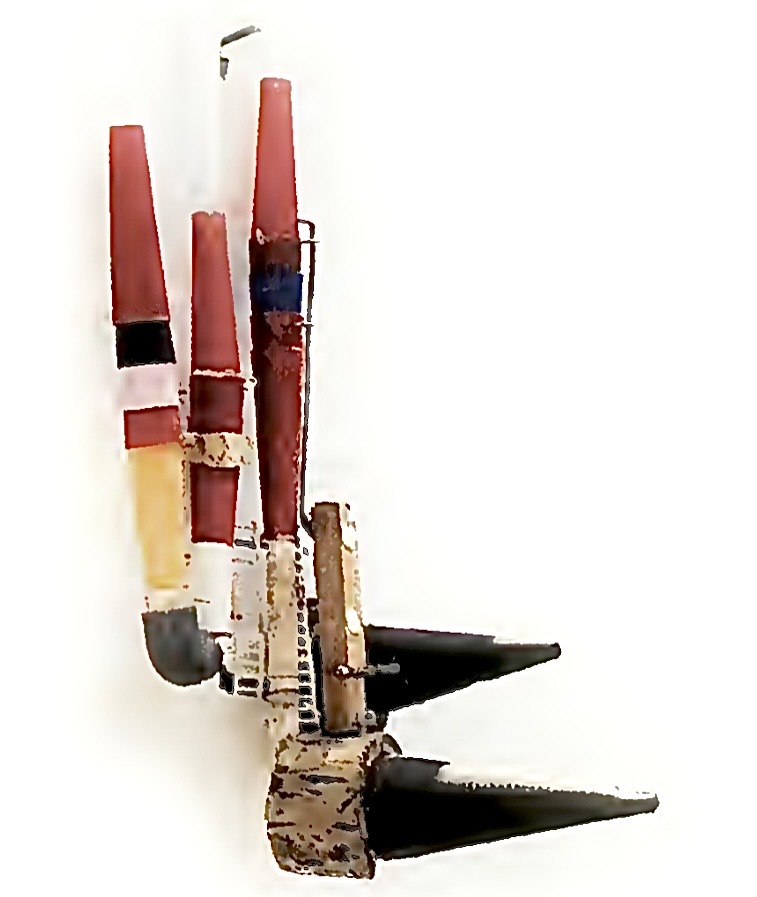
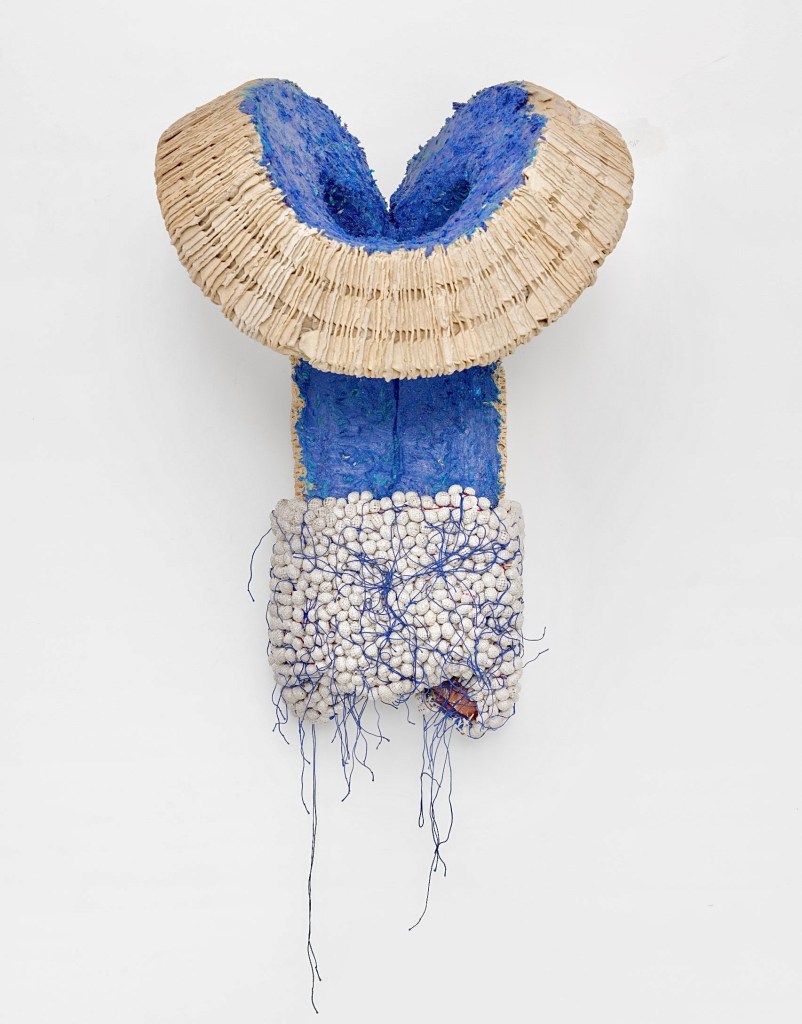
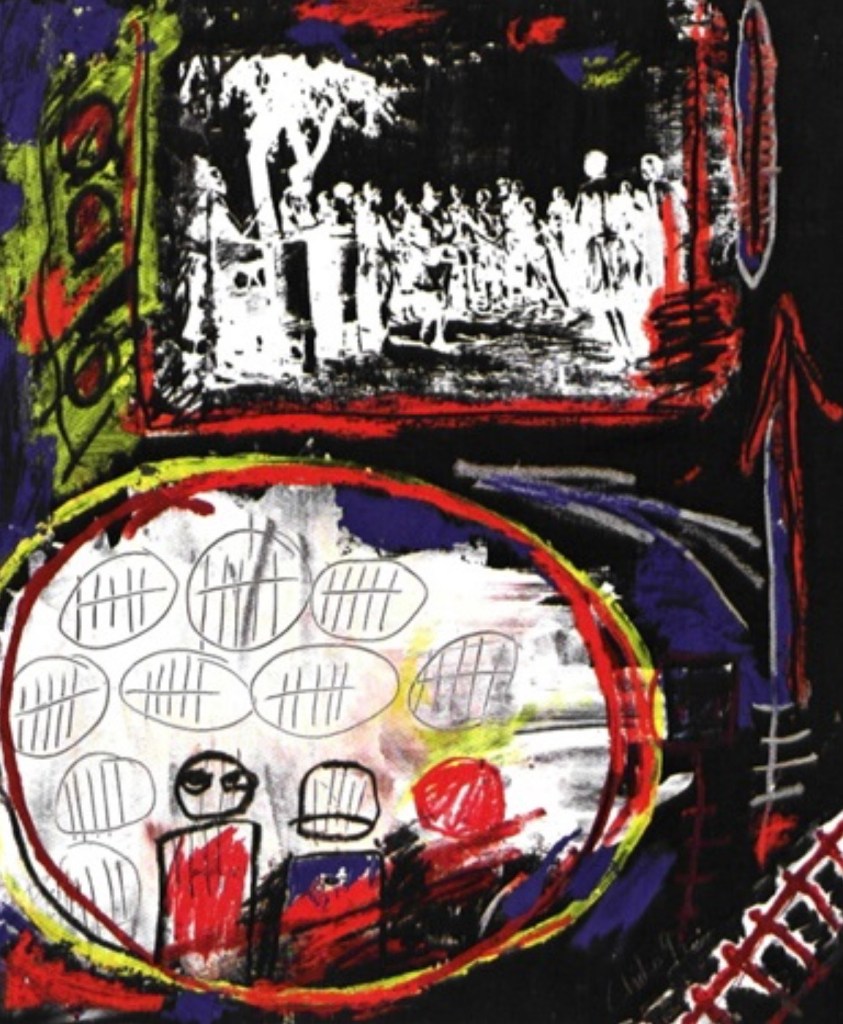
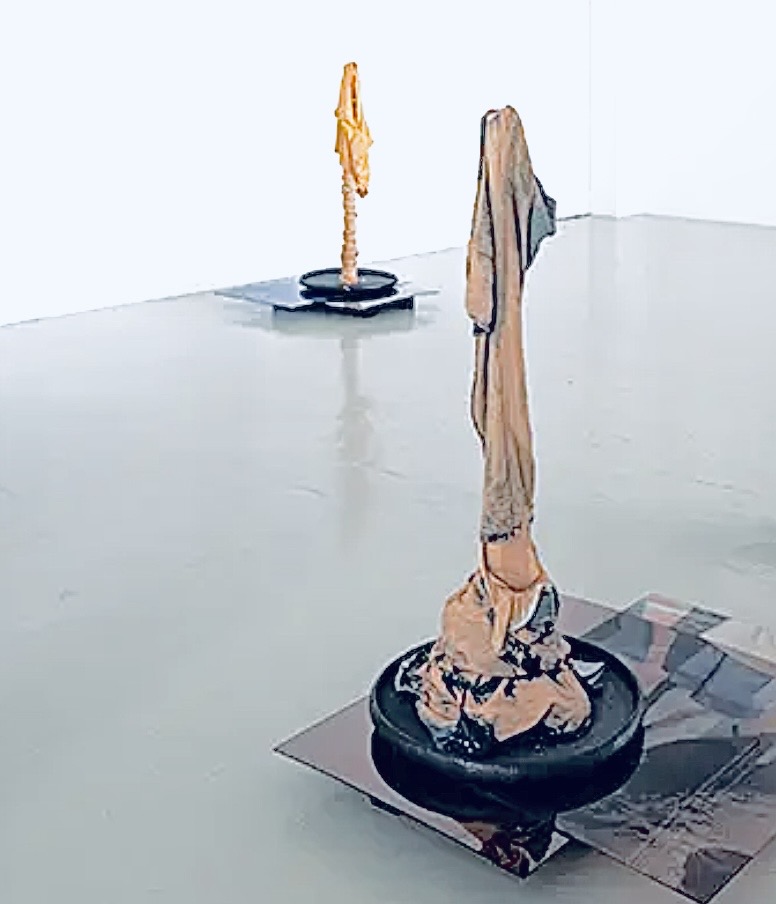
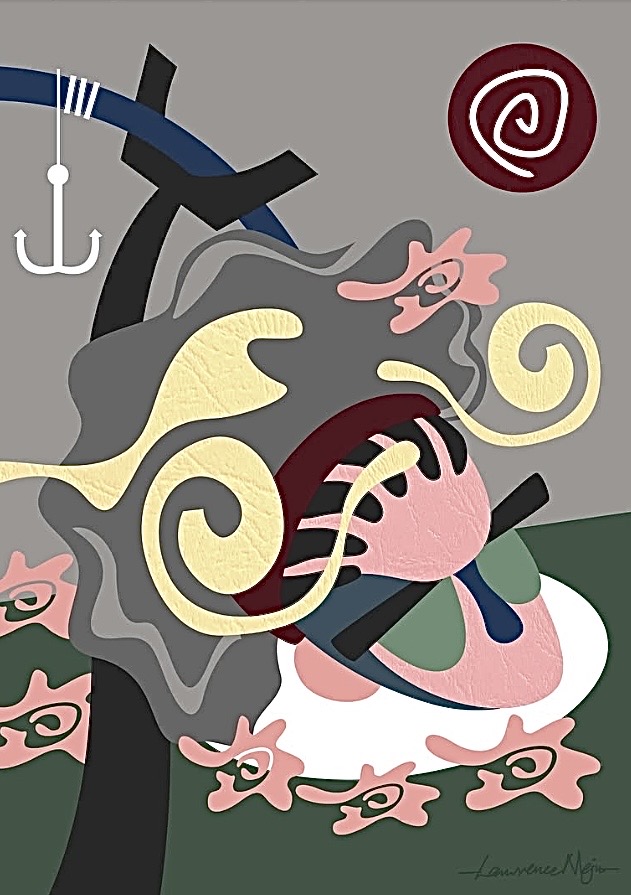
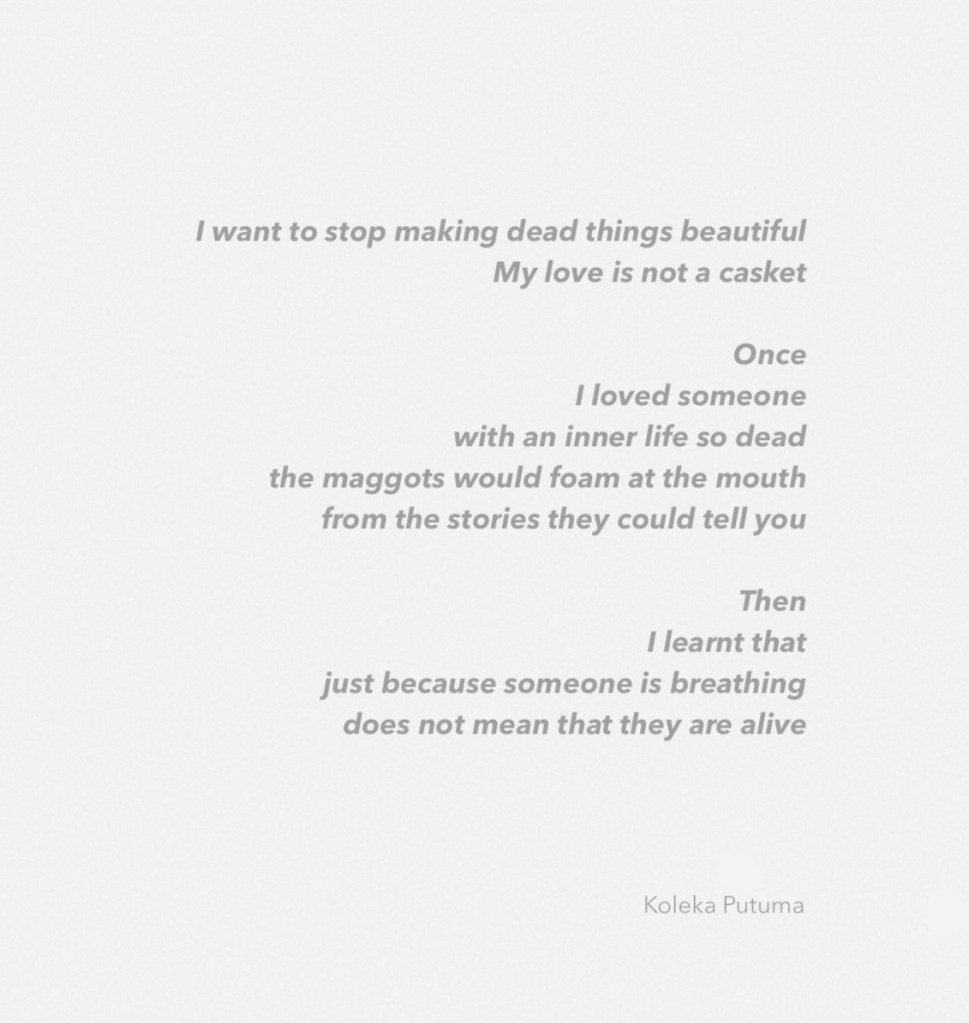
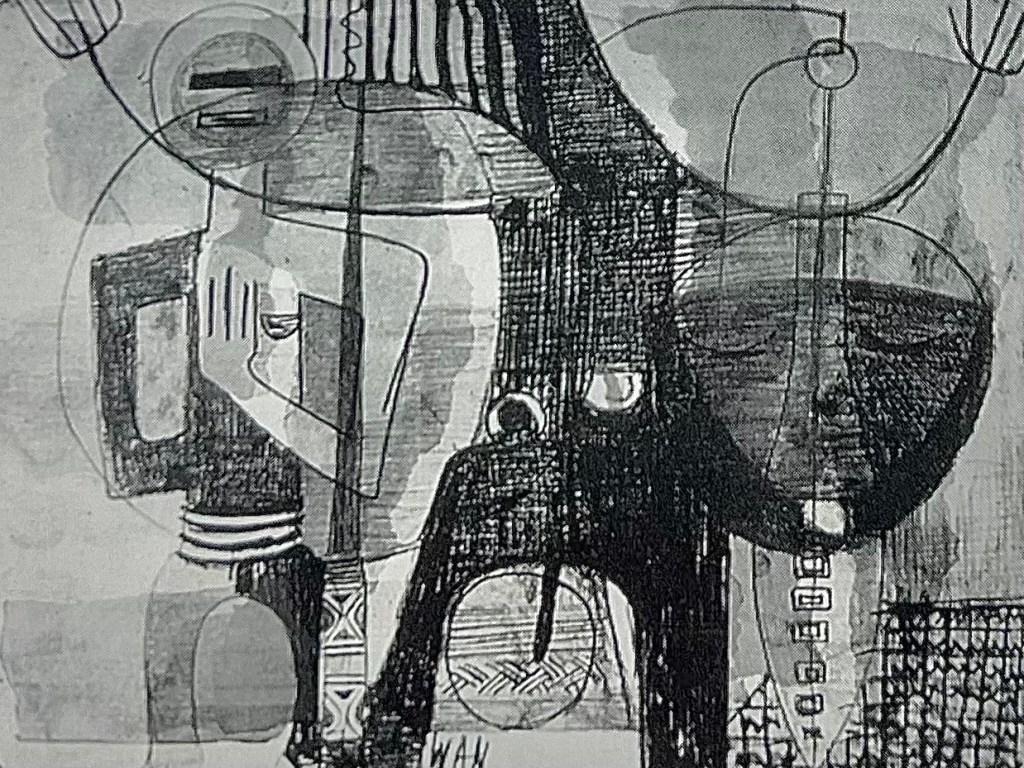
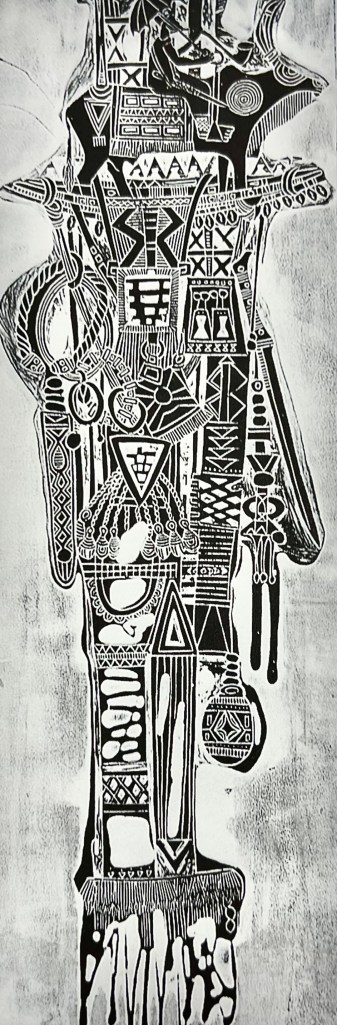
Pockets of innovation developed unexposed in the home scene. Incorporation of other materials into stone works was developed by such artists as Tapfuma Gutsa, Joseph Muzondo. These experiments fell outside the interest of western collectors, outside homeland interests. The compositions developed into commentaries on contemporary struggles, colonialist or economic, as much as origin stories. If these types of personal visions remain infrequent in Zimbabwe art, this issue’s artists give a sense of abstractions emerging in recent decades.
*
Piecing it together in Nigeria may refer not to underground material but to groundcovering.
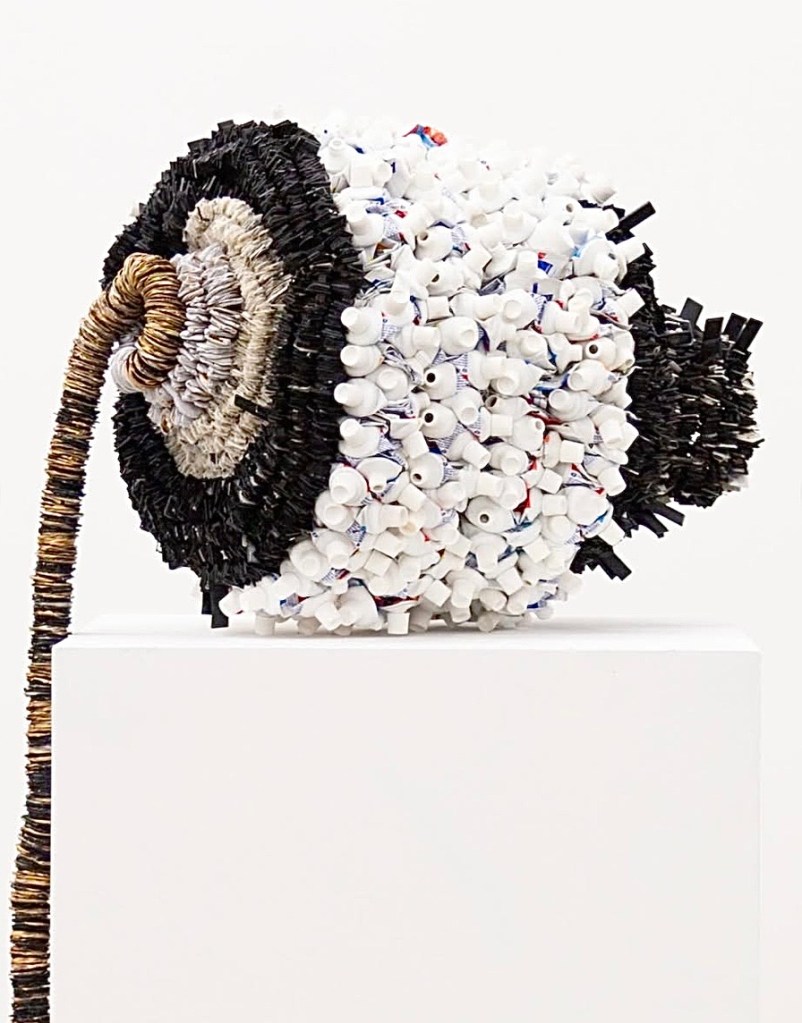
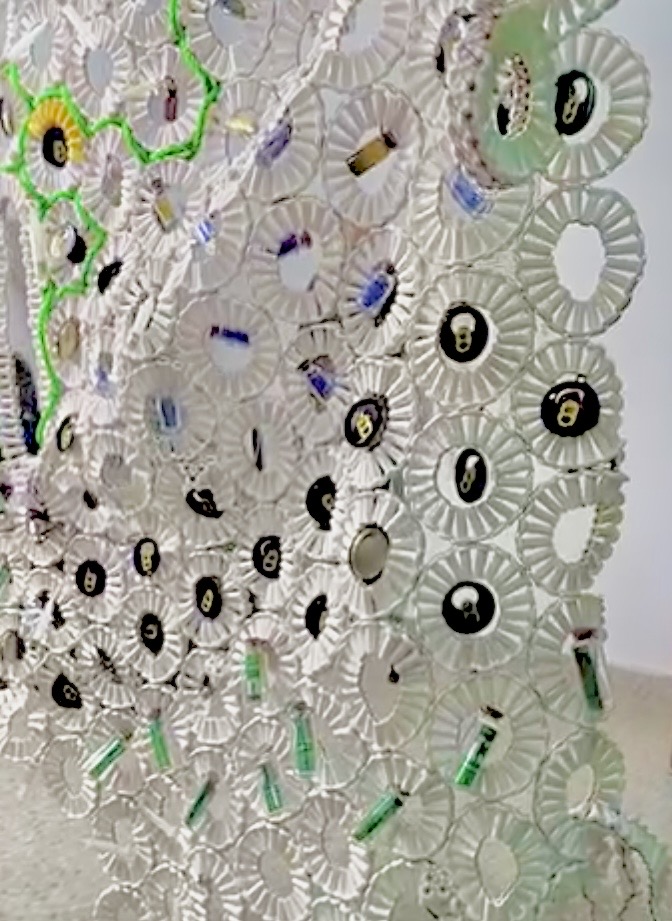
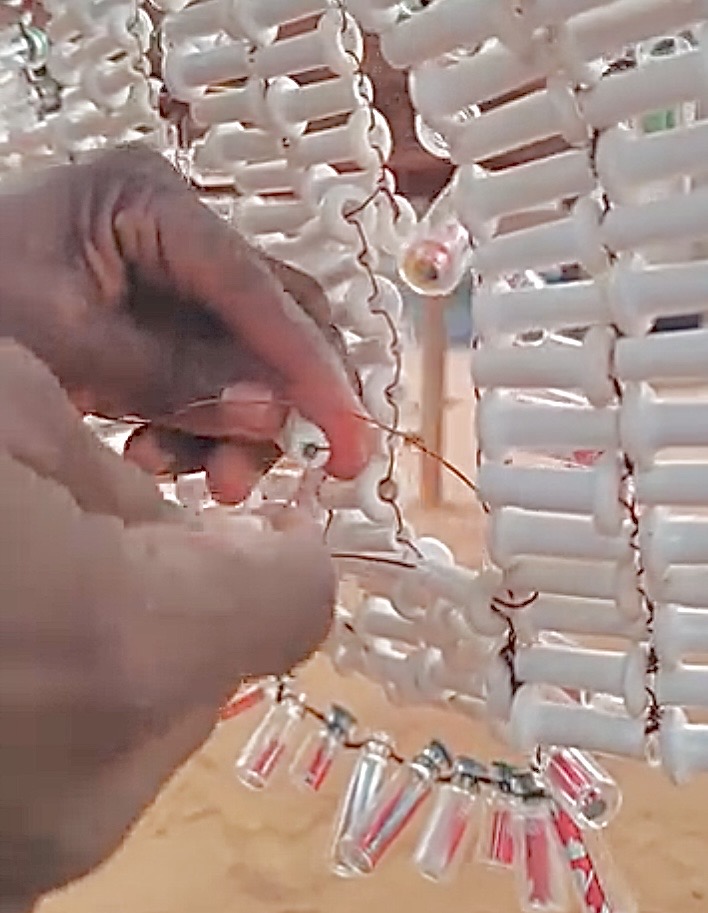
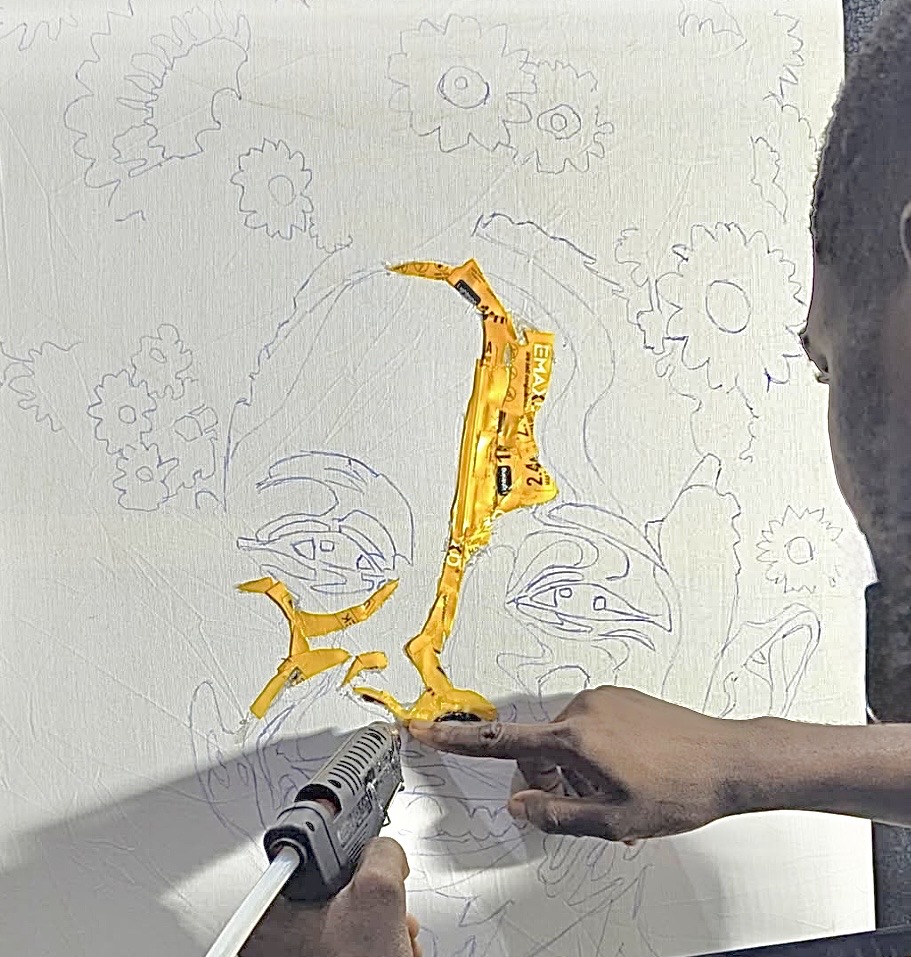
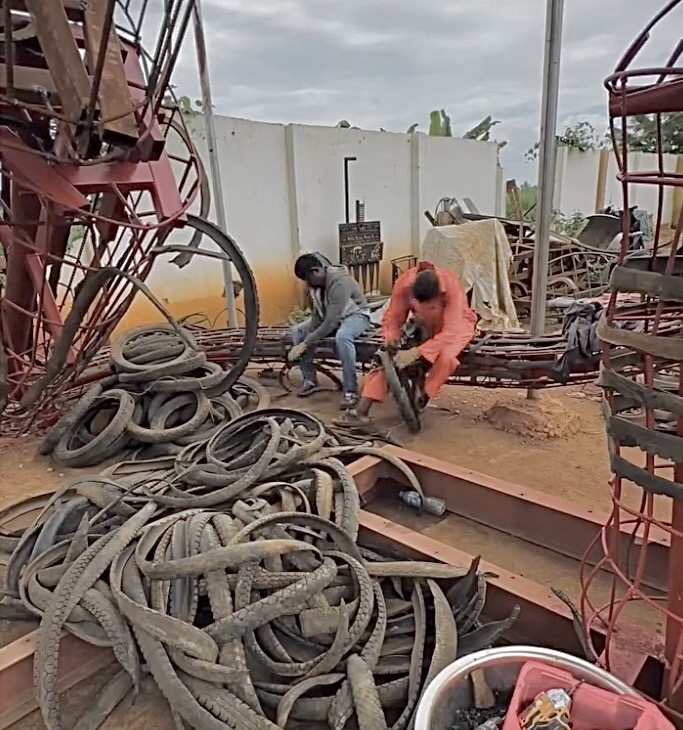
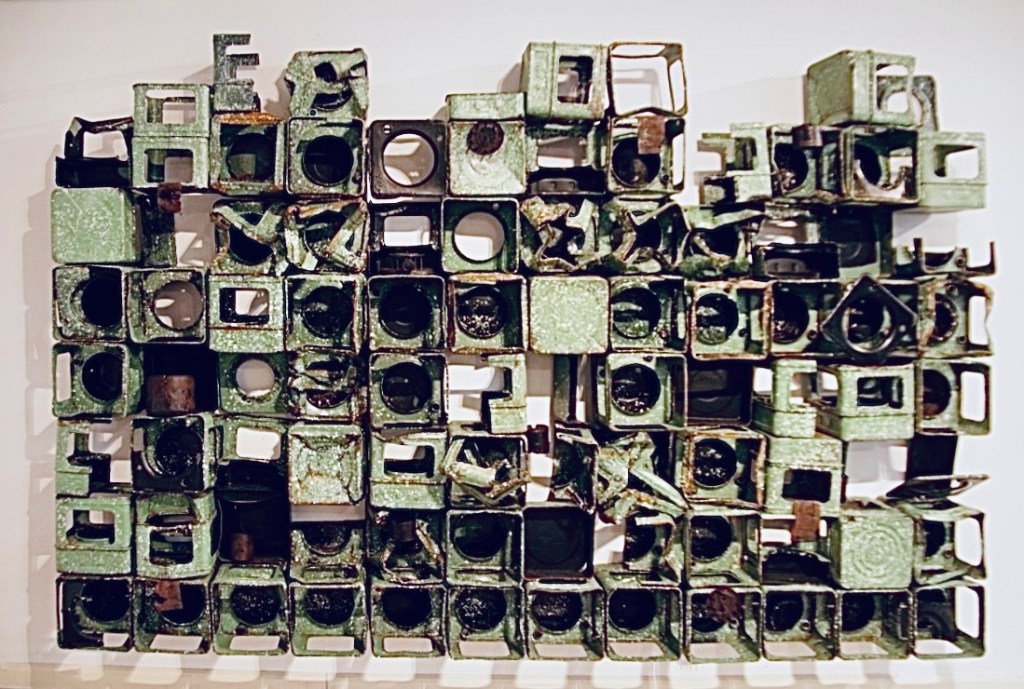
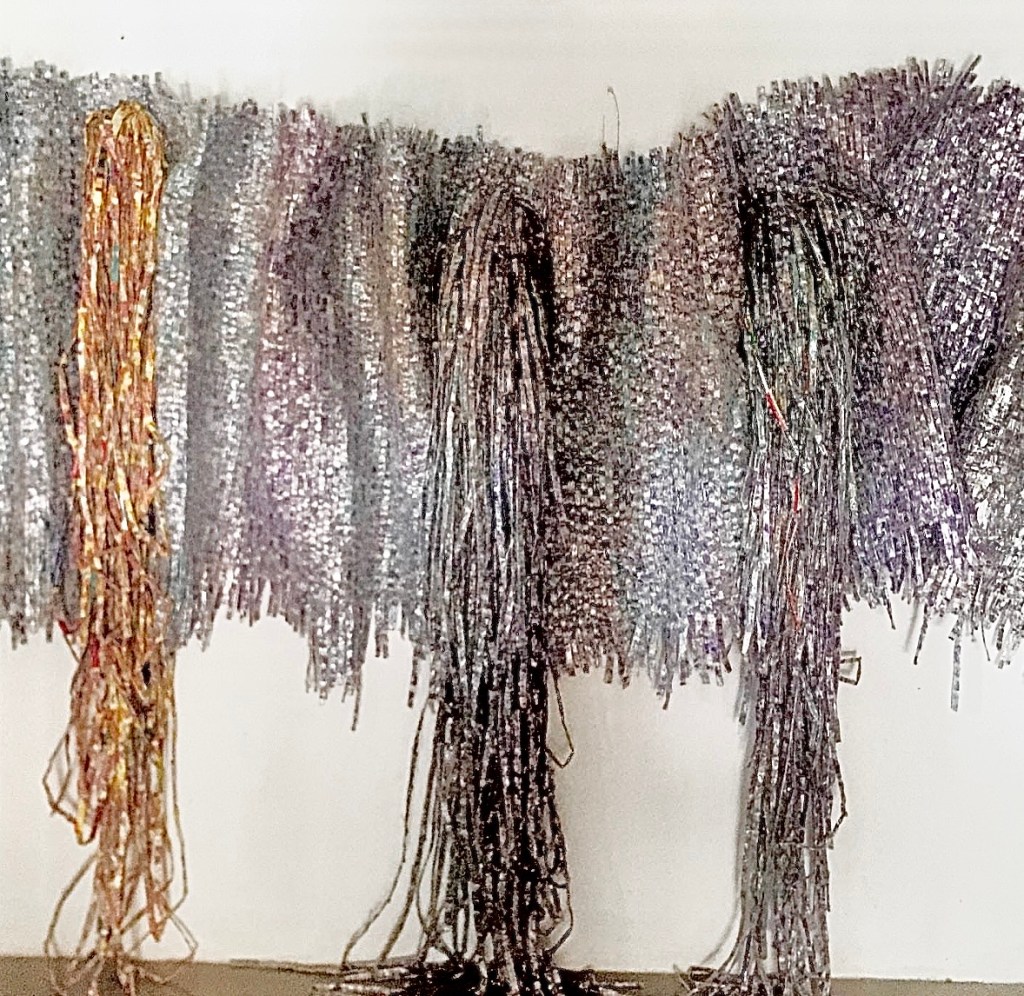
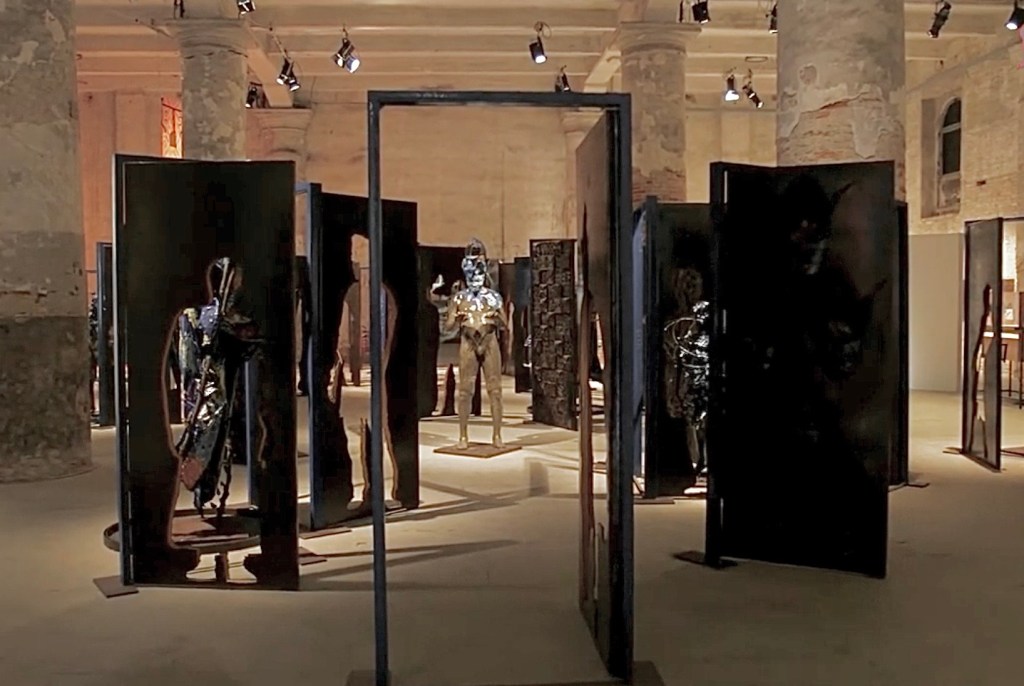
Recent national struggles influence the Nigerian art scene, where the most publicized art practice outside of figurative painting derives from the economy. National policies accepting trash shipments from other countries (combined with insufficient infrastructure managing the waste) make foreign refuse a monumental, cumulative environmental problem. From this has developed the recyclia art industry.
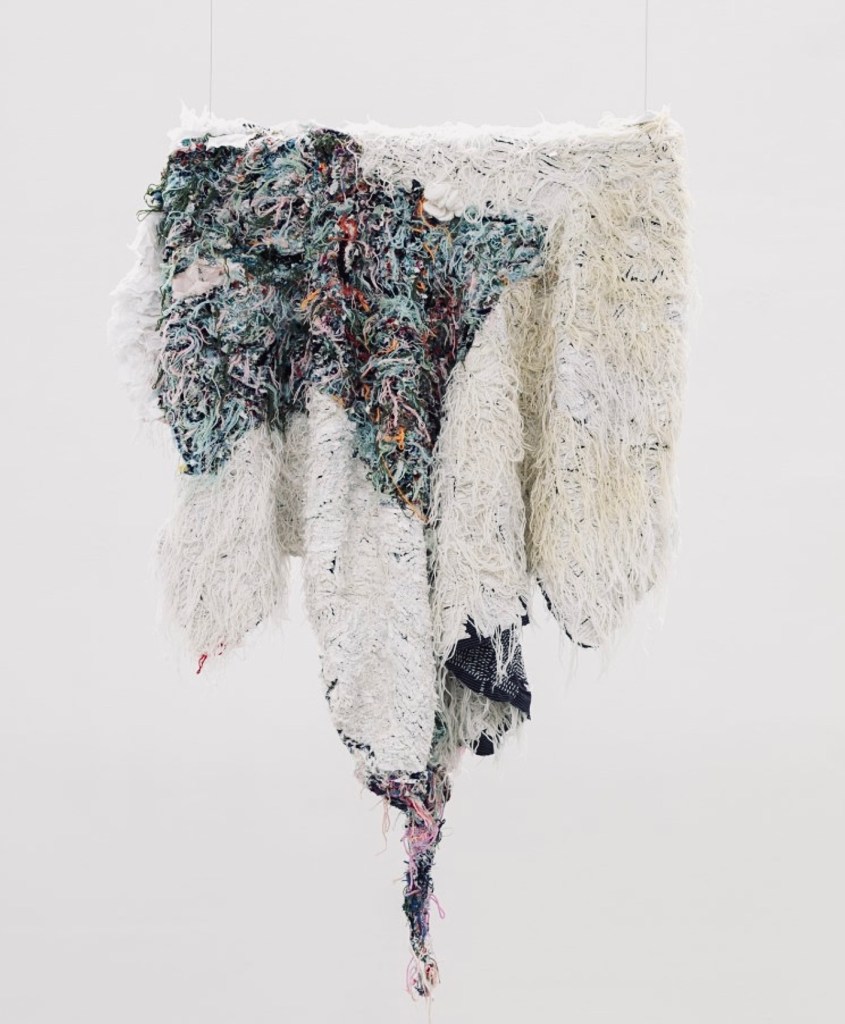
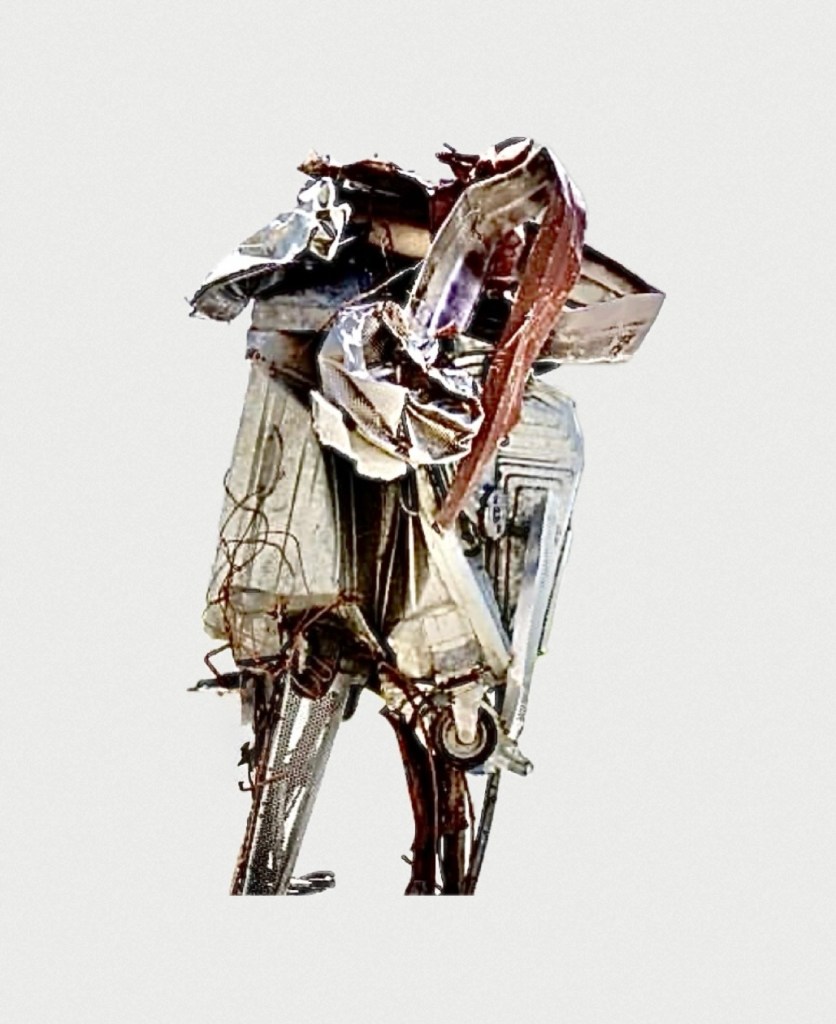
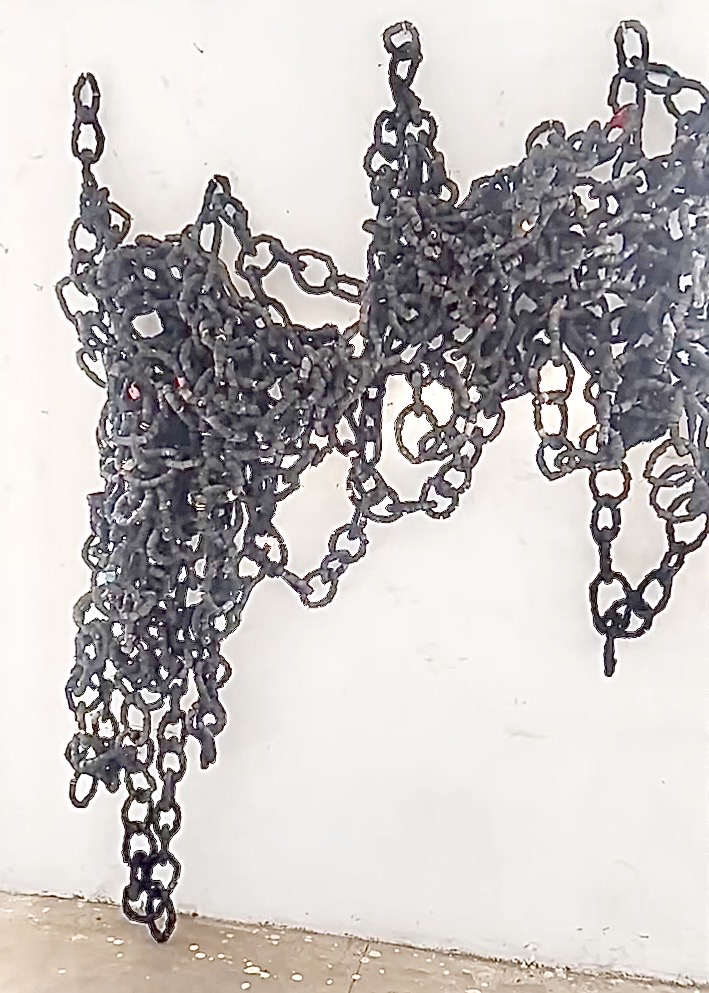
Often produced in large studios employing teams of trash pickers and assembly laborers, the artworks target extranational venues since locals have yet to show much interest in recyclia as art. The works have developed along pervasive lines such as masks or robotlike figures. Perhaps the form with the highest profile in North American museums, European kunsthalles, and Asian institutions has been the draped assemblage. Matte or metallic, it hang in folds ranging from bedding-sized to mural-scale, recalling the interior architectural weavings of the 1969-75 years commissioned by hotel chains and corporate headquarters for softening and muting multistory lobbies.
There are a number of nominal heads of these studio teams in Nigeria, Ghana, and the other nations in Africa hoping to develop energy mills for external waste. Exigencies—the artist as shop manager— overshadow personal aesthetics as yet. It does appear that the patterning in these mosaicked works resembles less often traditional figurations a la Nike Davies-Okundaye, more often abstractions a la Clara Etso Ugbodaga-Ngu or ceramicist Ranti Bam. There is an inbuilt haptic quality of worn surfaces with recyclia that can be amplified in a case like a rusty junk robot, can be understated in a shimmering tin drape. Form as well as content may become delineated as we move forward.
*
At quarter-century, content can be more pronounced in performing arts where there is less dominance of portraiture.
Nigerian Eégún, annual masquerade spectacles are an example. The dance occurs to drumming with the nominal performers completely covered with layers of textiles that— activated by spinning, bending, kicks, or reaches— convey the nonmortal, metaphysical forces of the universe. Distinctive from the smaller troupes dancing through neighborhoods, the annual masquerades consist of multiple improvisations. Improvisations by dancers, between dancers and drummers, between dancers and spectators. Improvisations include in-performance trade of costumes. Selecting of additional dancers from the audience. Interpreting satirical deviations. Onlookers modulating dancer exertions. These make protean the divide between performer, musician, specator.
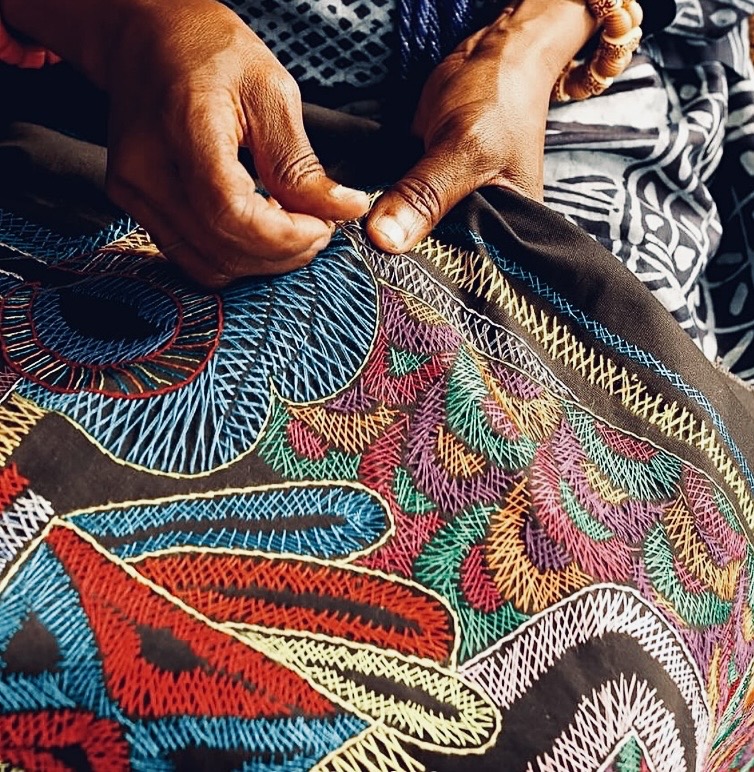
Margaret Thompson Drewal commented on textile within a masquerade in Imewuro, Nigeria. “It has visual, kinetic, tactile, and audible attributes.” Textile can “shape, texture, and punctuate” the dancer’s movements. “Drummers respond to the level of the dancers’ proficiency, either progressively increasing the complexity” or simplifying it. Meanwhile, specators sing oral traditions reciting ancestral information; they also make incitations for ethical conduct in the present day. In these ways Eégún reflect not only performance-based but also other mosaicking: costumes are layered as generations pass, oral histories are accreted over the centuries.
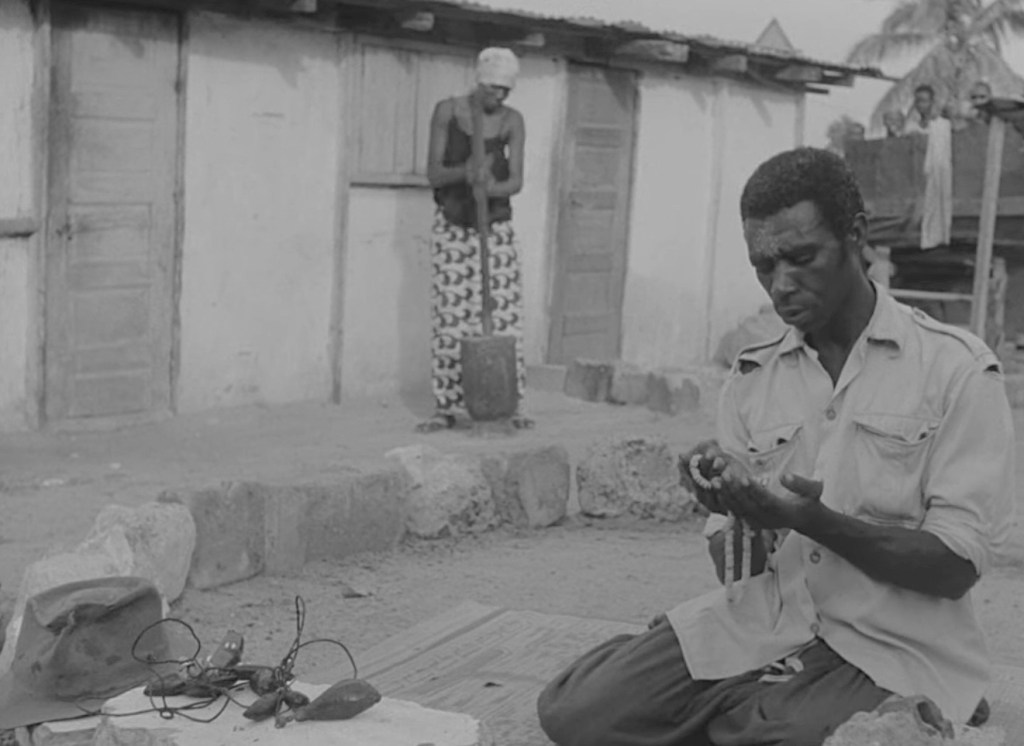
In Nigeria there has been an audience, at film festivals and at screening rooms, for passages mosaicked by movie editors. Among the filmmakers are Senegalese Ousmane Sembene, whose background as a novelist informed his celluloid in 1962’s Borom Sarret and continued through a dozen productions. Sharing political themes of authoritarianism and socialism, later gender issues, the films have been described as combining elements from oral tradition with Brechtian set pieces, symbolism, social satire. The pace of editorial mosaicking is measured.
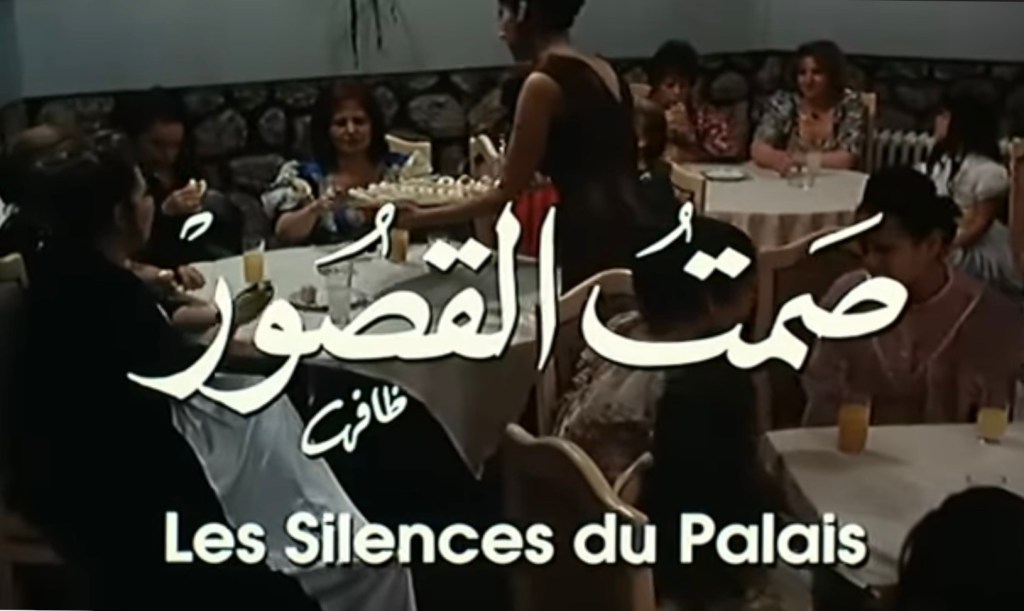
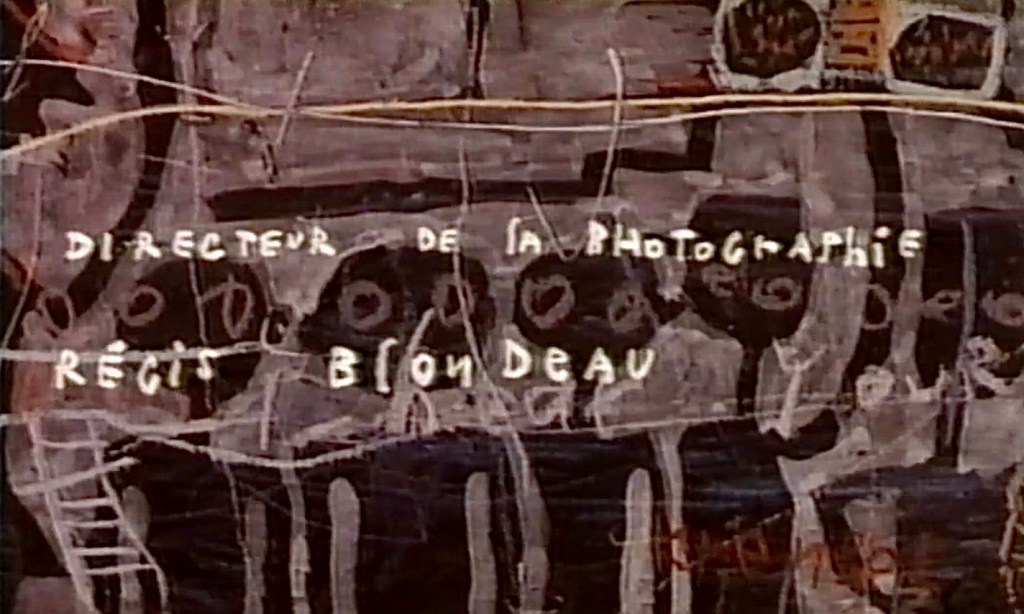
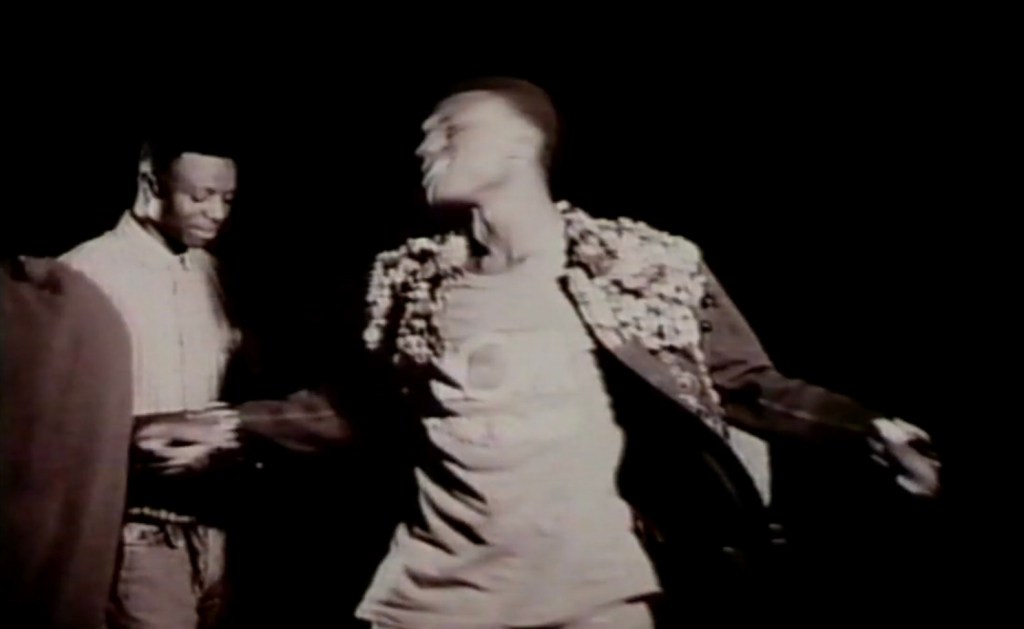
As it is with Moufida Tlatli of Tunisia. She began in her forties to create films, debuting in 1994 with Samt al-Qusur, exploring female submission in palace populations. Contrastingly, Jean-Pierre Bekolo of Cameroon screened his first film in 1992. Quartier Mozart explored gender roles and queer behavior within farcical fantasy, utilizing a high-tempoed mosaicking style in the editing room.
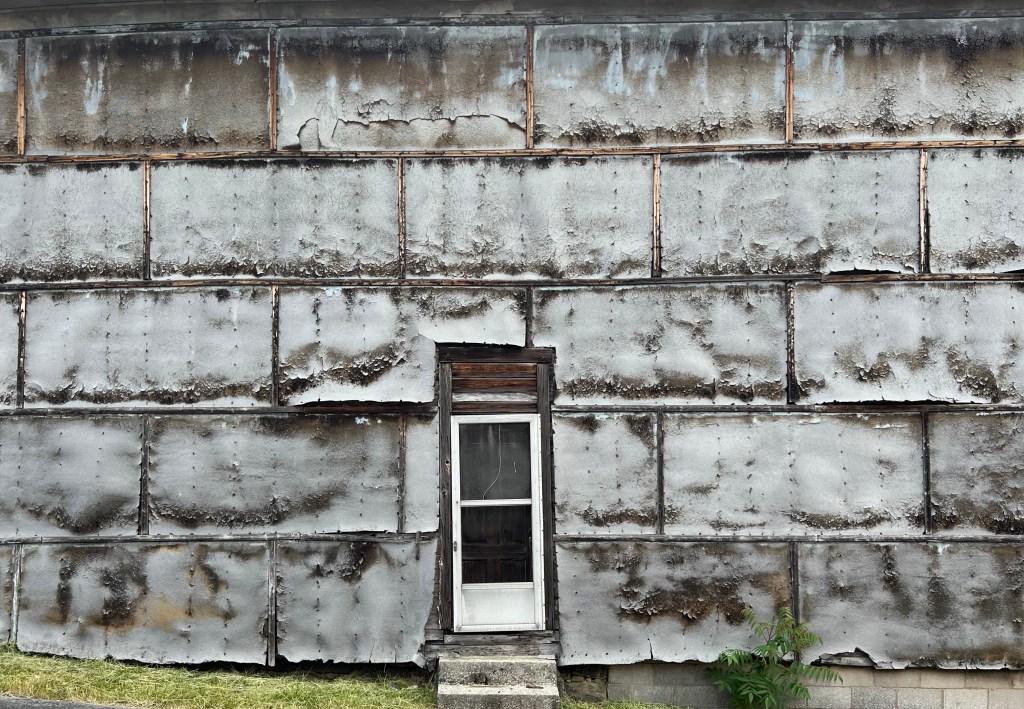
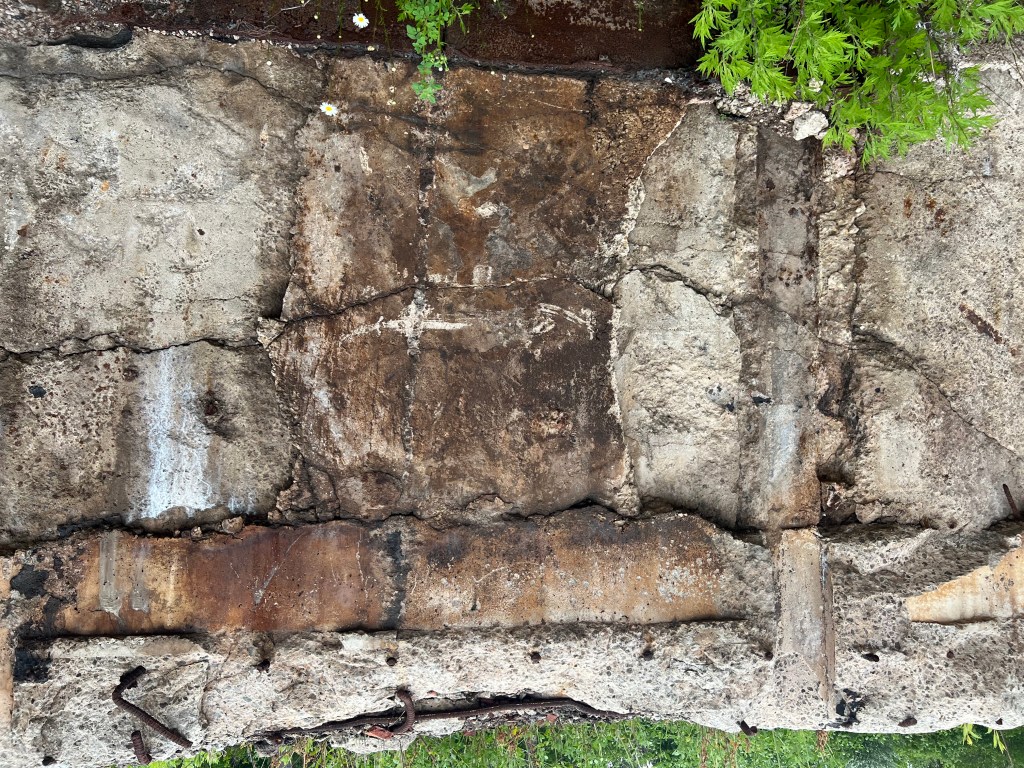
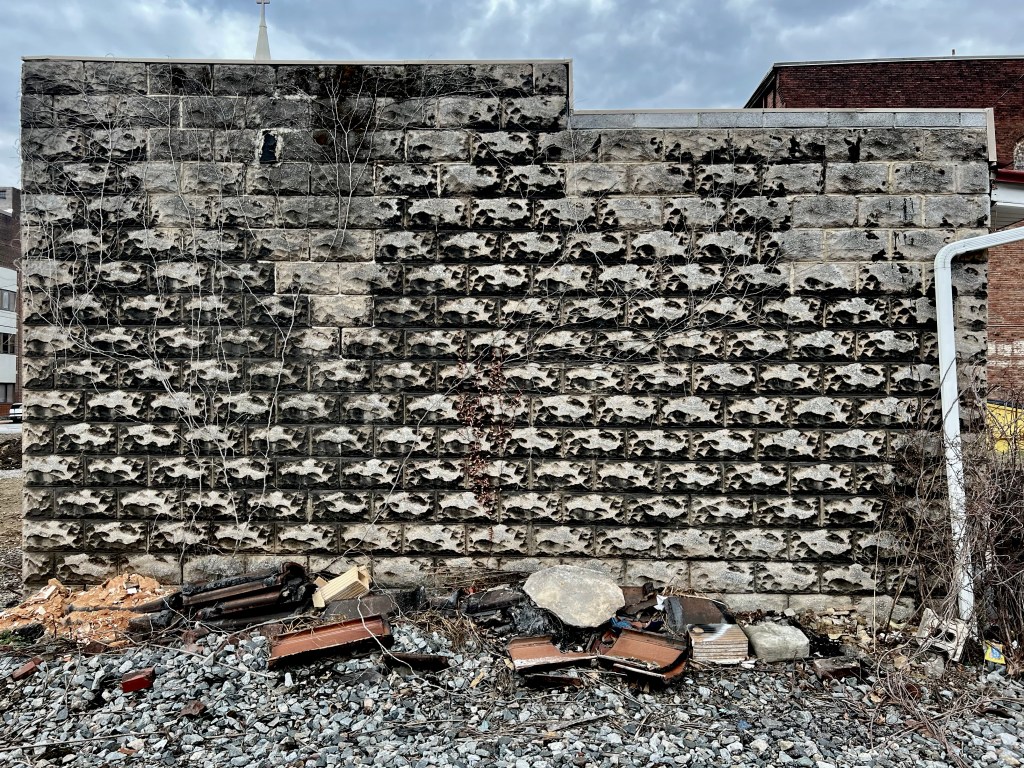
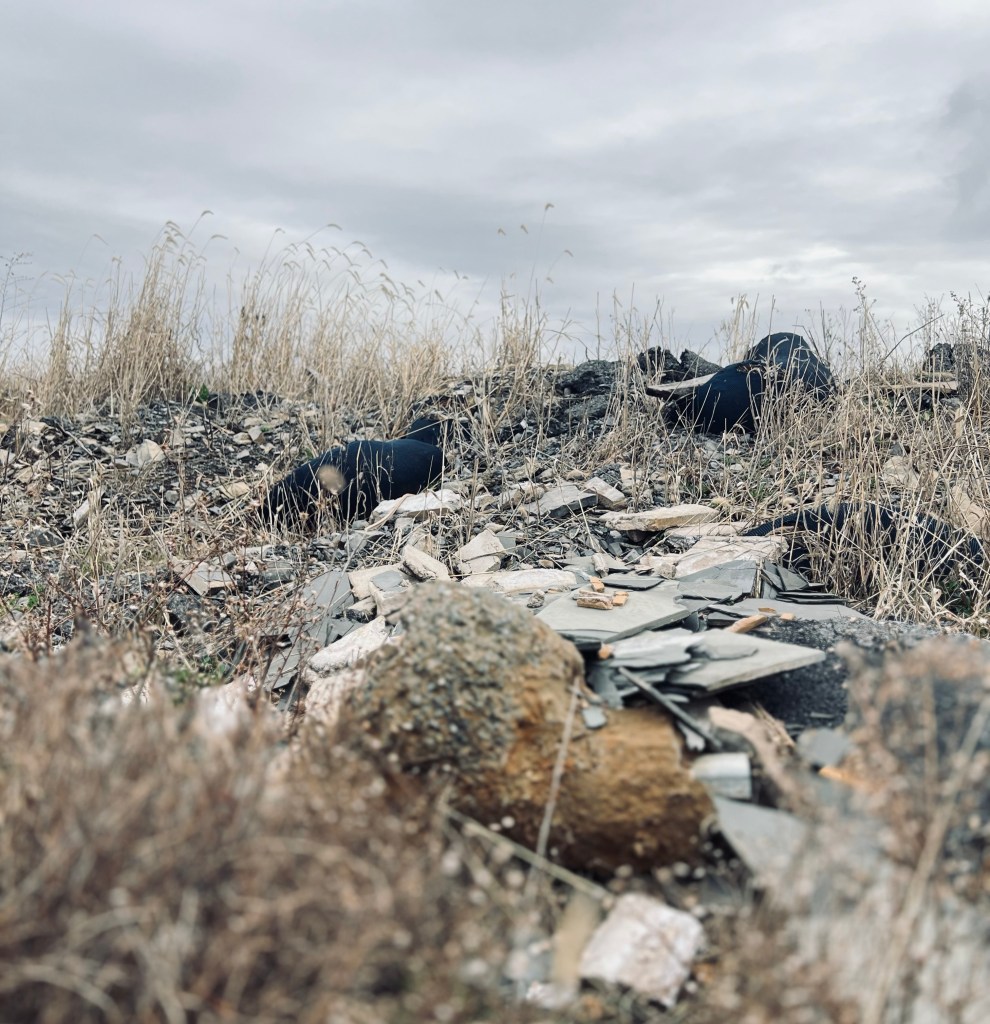
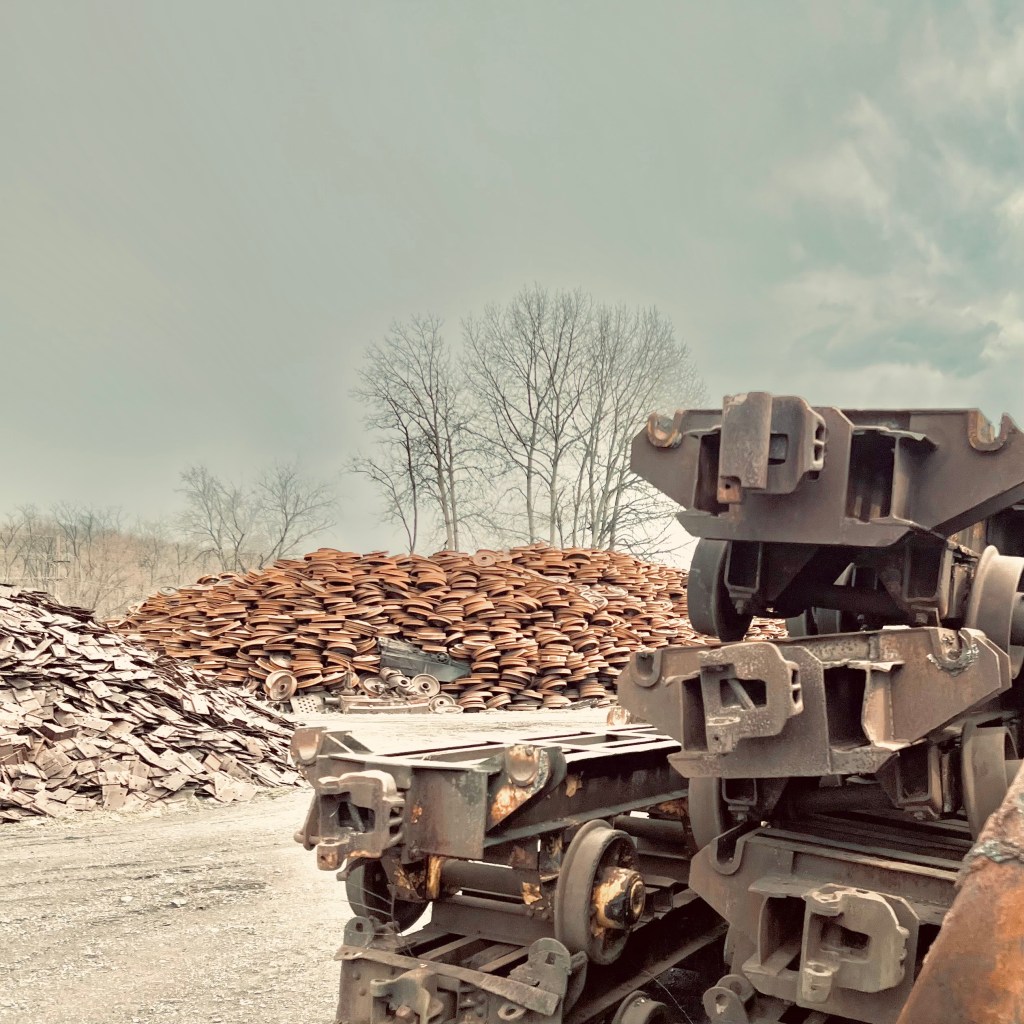
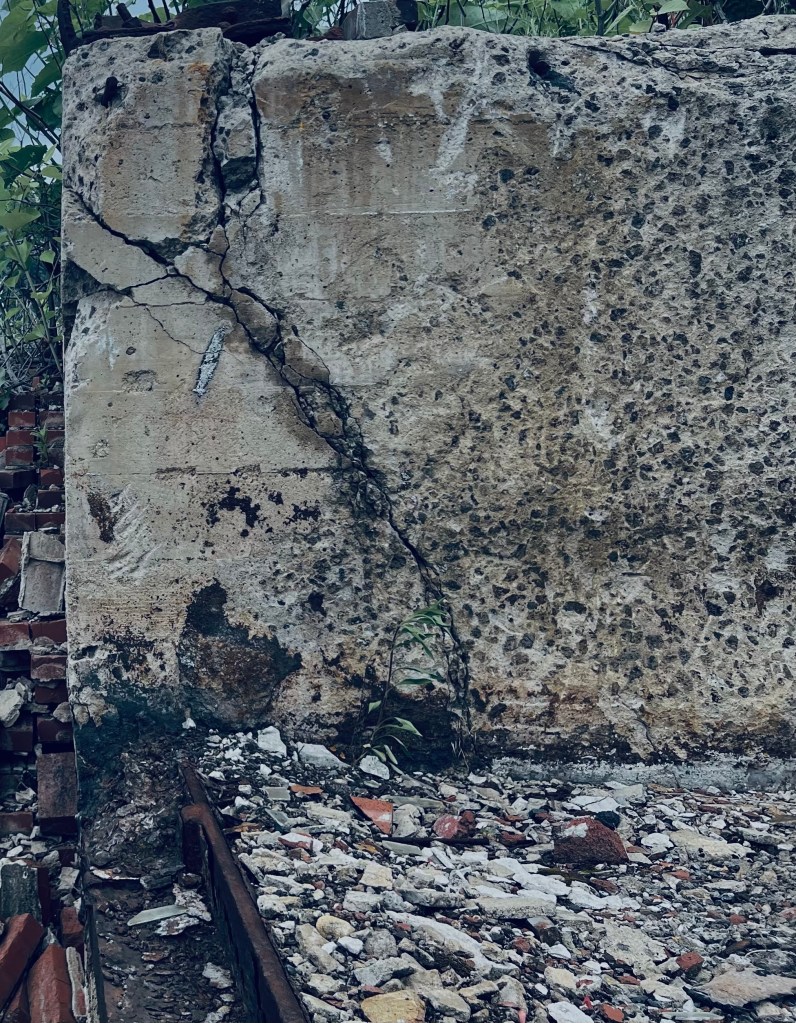
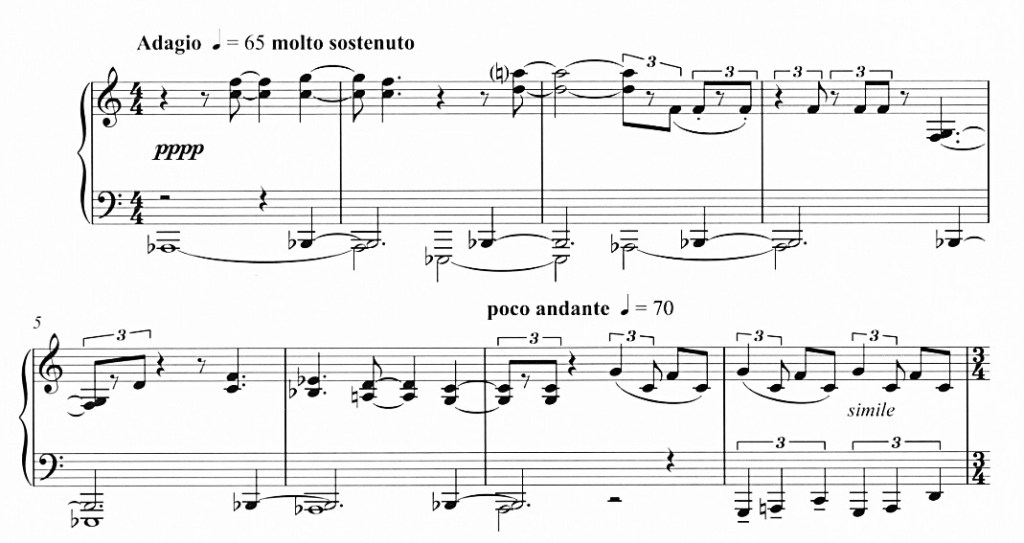
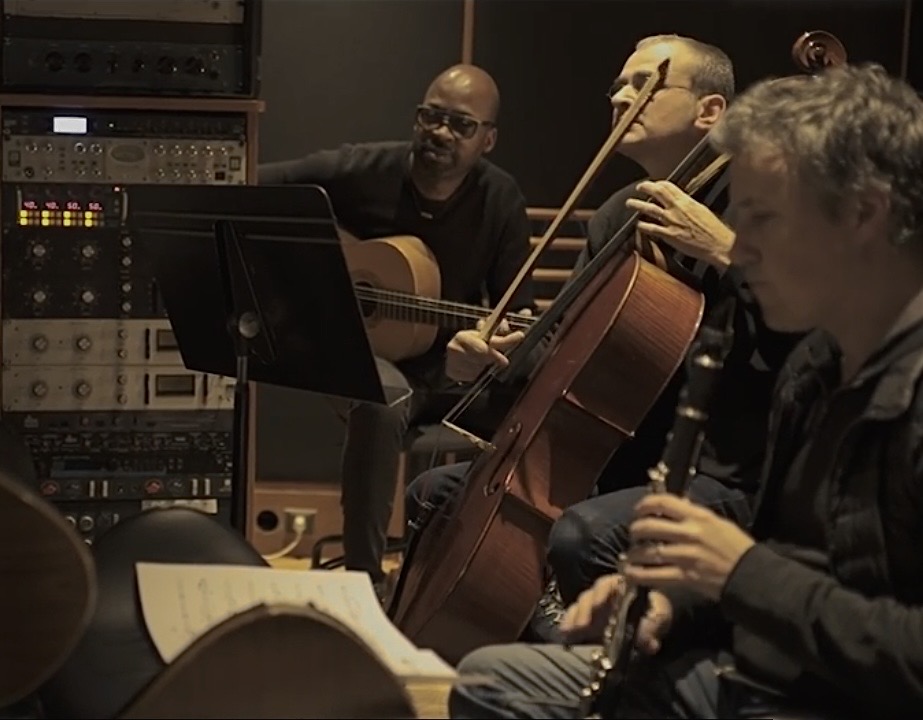
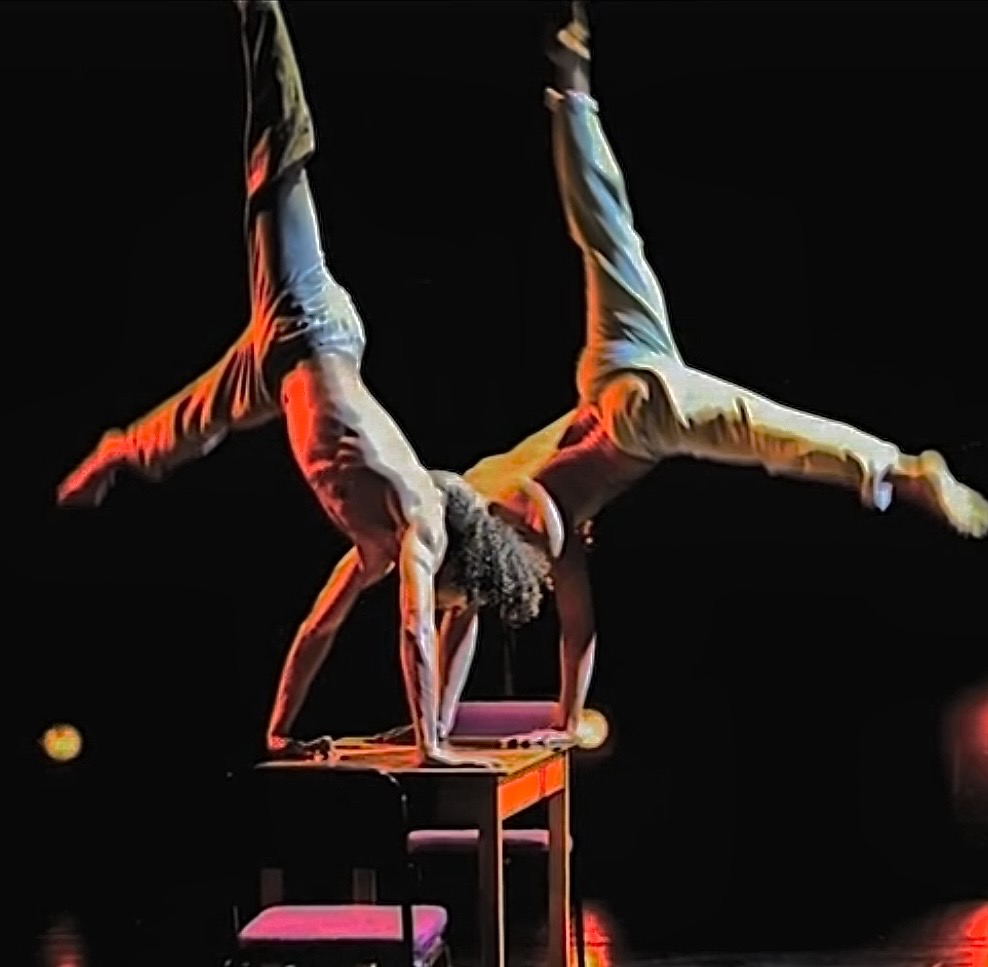
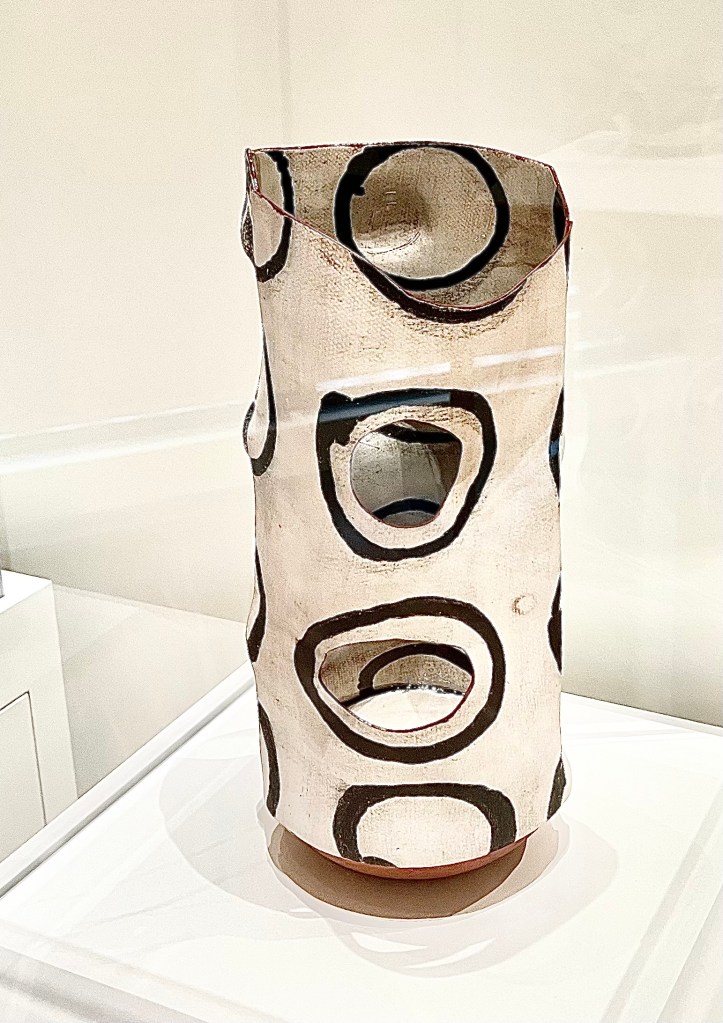
The Nigerian performing art centers permit mountings of compositions by Bongani Ndodana-Breen, for example Flowers In The Sand for piano, Lionel Loueke’s The Journey, and such choreography of Sifiso Kweyama as I Am Africa and Point Of Connection. The contemporary visual arts are thereby pollinated by visits from performing artists. Whether the medium is stone or recyclia, the form unyielding or fluid, the opportunities for personal artistic expressions are inspiriting. Farai Moyo sought such spirit in photographing the materials of stone and recyclia art.
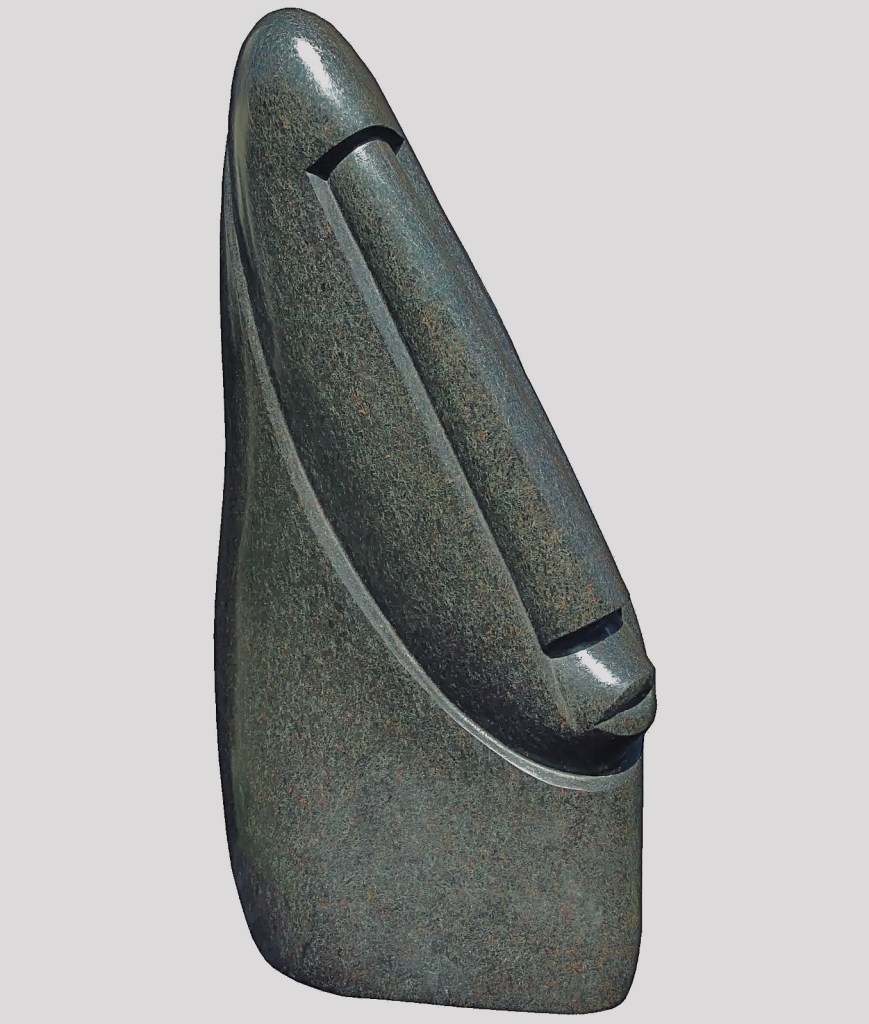
Cover image: Perlagia Mutyavaviri, Zimbabwe

